

3D Printing in Skid Component Prototyping
2026-02-09 22:073D Printing in Skid Component Prototyping
Accelerating Design Iteration and Functional Validation
The adoption of 3D printing, or additive manufacturing, in the prototyping phase of skid component development represents a paradigm shift in engineering efficiency. This technology enables the rapid production of complex, functional prototypes directly from digital CAD models, bypassing the time-consuming and costly processes associated with traditional tooling and machining. For manufacturers like Shanghai Shenqi Machinery, this means design teams can move from concept to tangible part in a matter of hours or days, rather than weeks. The ability to quickly produce a physical prototype of a custom valve manifold, a specialized mounting bracket, or an intricate piping junction allows for immediate form, fit, and function testing. Engineers can verify clearances, test assembly sequences, and even conduct preliminary flow or stress analysis using the actual geometry. This rapid iteration cycle dramatically compresses the front-end development timeline, enabling more design exploration, earlier error detection, and ultimately, a more optimized and reliable final component before any investment in production-grade tooling is made.
Enabling Complex Geometries and Lightweight, Optimized Structures
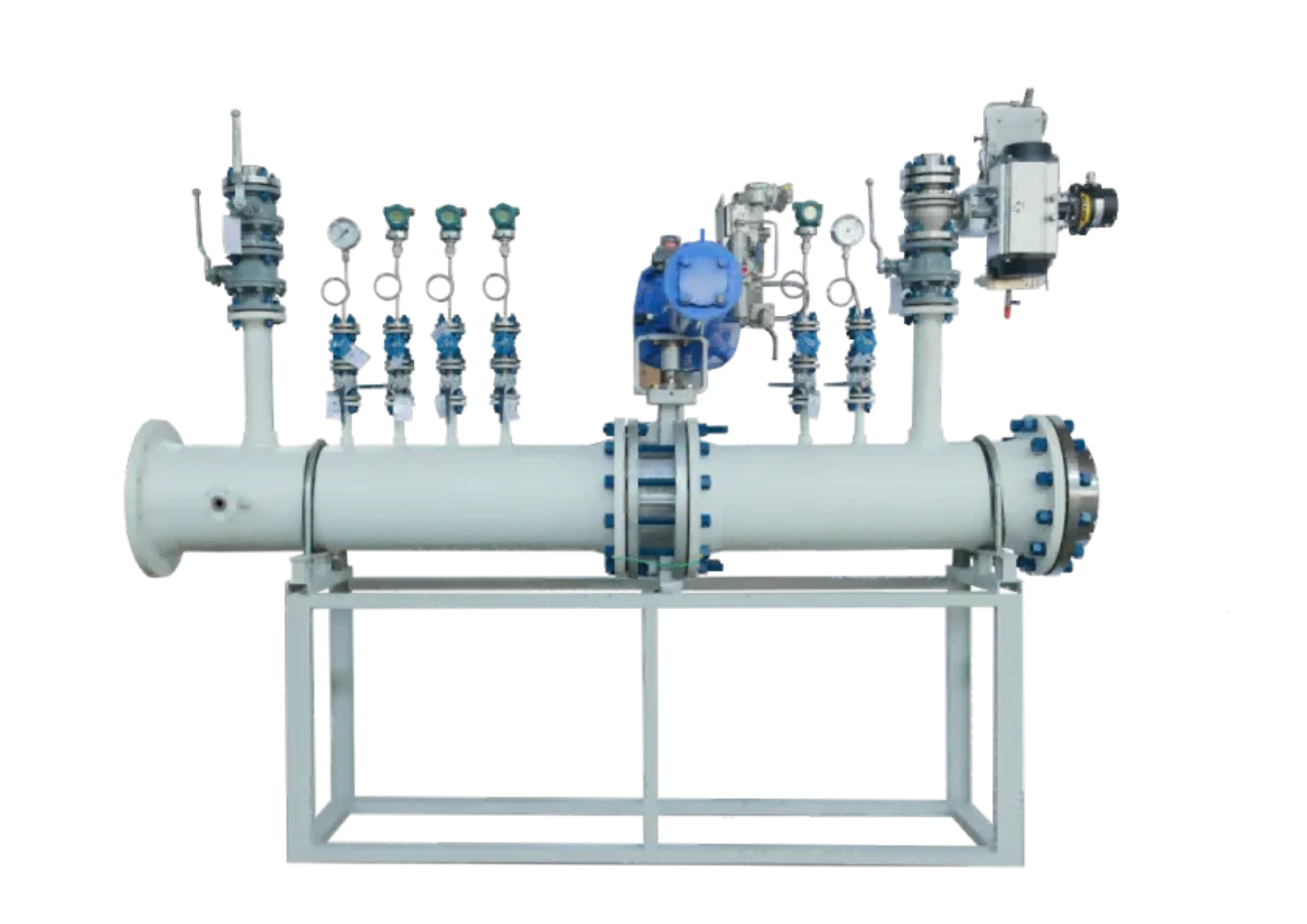
One of the most significant advantages of 3D printing is its ability to fabricate geometries that are impossible or prohibitively expensive to create with subtractive methods. This design freedom is revolutionary for skid module components, where space is often at a premium and performance is critical. Engineers can now design topology-optimized structures that use material only where it is structurally needed, resulting in components that are significantly lighter in weight yet stronger. This is particularly valuable for parts like heat exchanger headers, flow distribution plates, or sensor housings, where internal channels can be optimized for fluid dynamics. Furthermore, 3D printing allows for the consolidation of multiple parts into a single, integrated component. What was once an assembly of several machined and welded pieces can now be printed as one monolithic unit, eliminating potential leak paths, reducing assembly time, and improving overall structural integrity. For Shanghai Shenqi, leveraging this capability means delivering skids with enhanced performance, reduced weight (beneficial for shipping and support structures), and improved reliability through part count reduction.
Reducing Costs and Risks in the Development Lifecycle
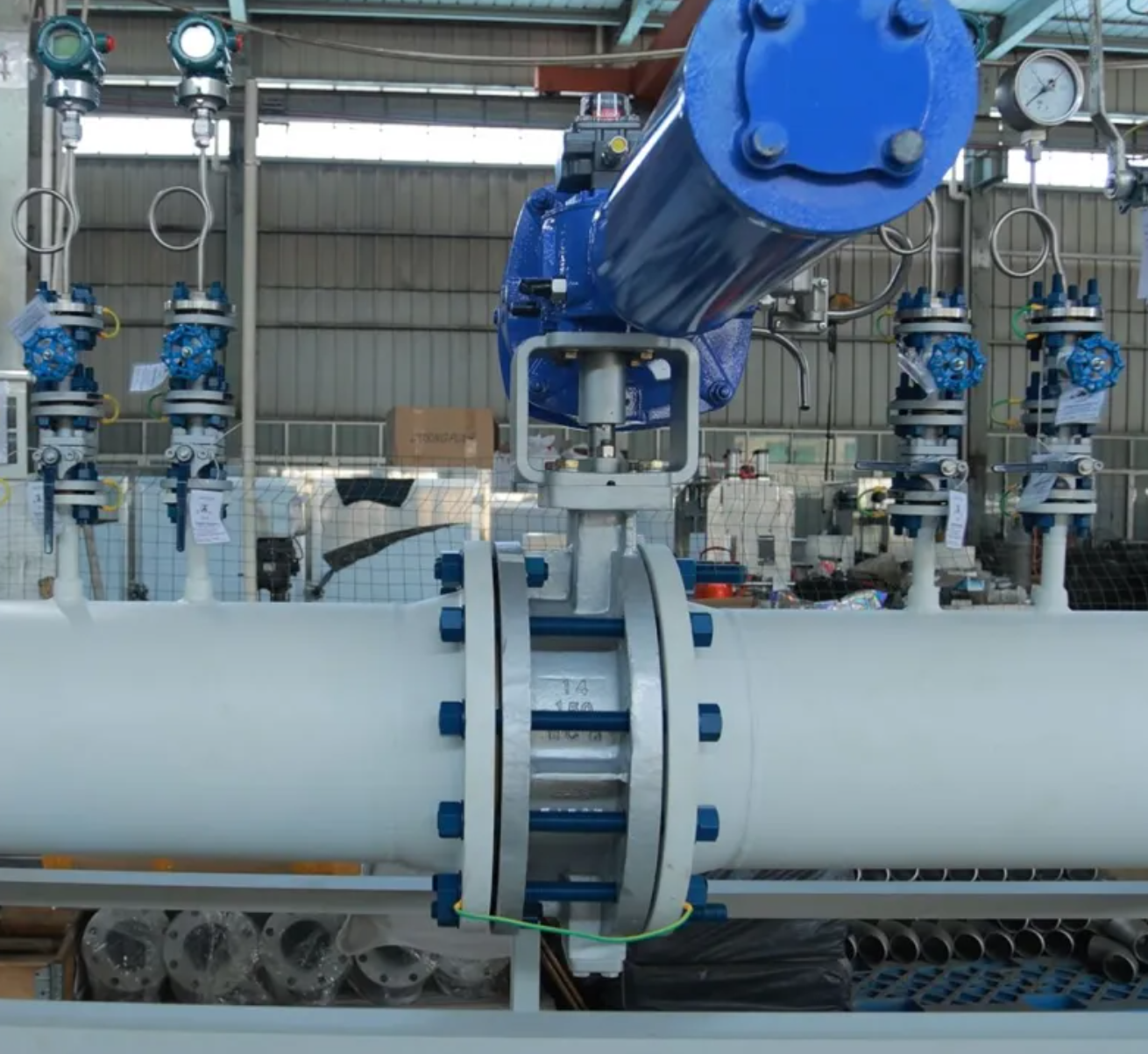
Integrating 3D printing into the prototyping workflow offers substantial economic and risk-mitigation benefits throughout the skid development lifecycle. The most immediate saving is the elimination of expensive hard tooling for one-off or low-volume prototype parts. This reduces upfront capital investment and makes prototyping economically viable for even highly complex components. The speed of iteration also translates to lower development costs, as design flaws are identified and rectified early, preventing costly changes during later manufacturing stages. Moreover, functional 3D-printed prototypes can be used for customer presentations and approvals, providing a clear, tangible understanding of the design intent, which reduces communication errors and ensures client requirements are met before production begins. This proactive validation significantly de-risks the entire project. For a client-focused company like Shanghai Shenqi Machinery, this translates to a more collaborative and transparent development process, building client confidence and ensuring the final skid system meets exact specifications with greater predictability in both timeline and budget.
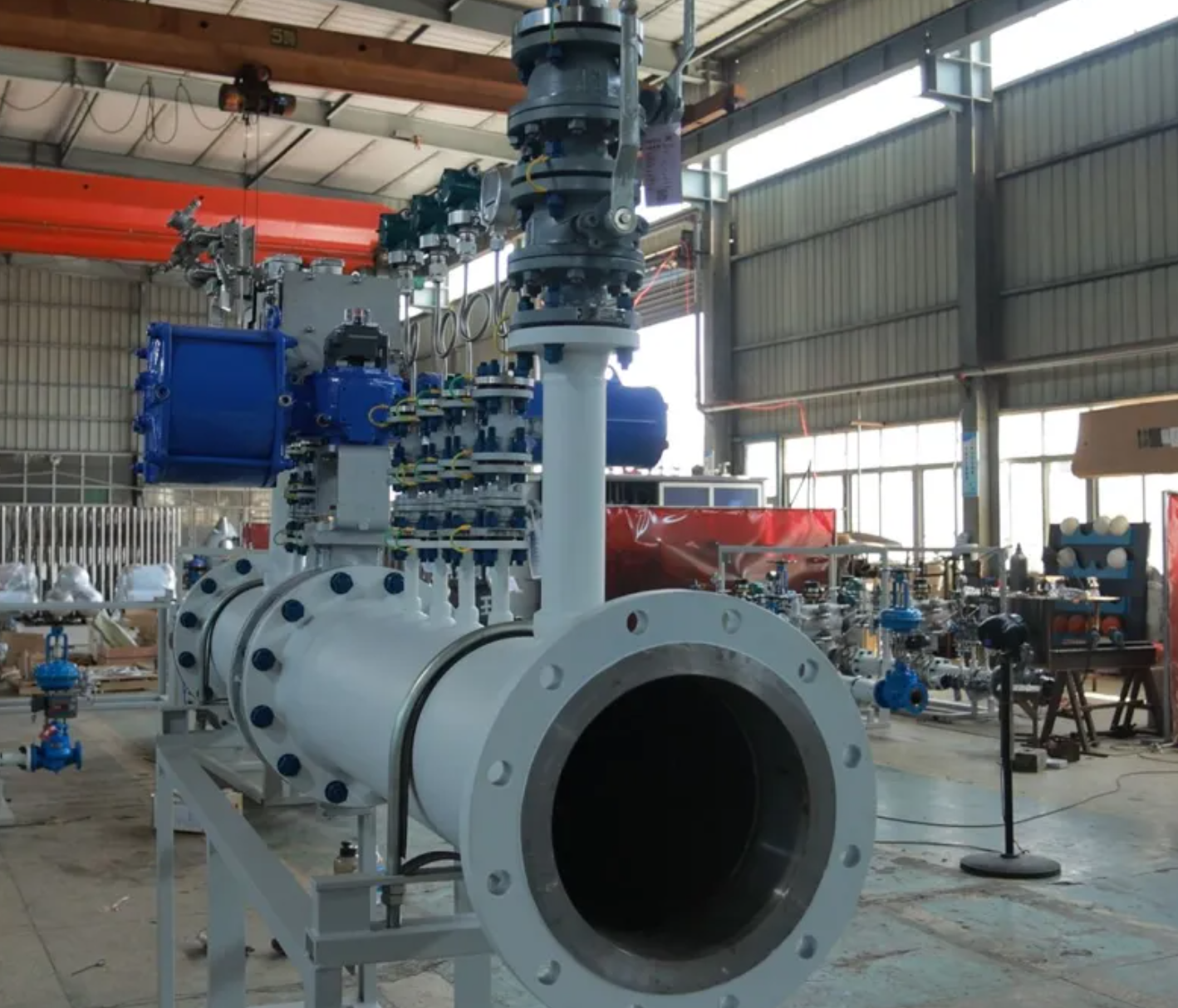
In conclusion, 3D printing is far more than a prototyping novelty; it is a strategic tool that transforms skid component development. By enabling rapid iteration, unlocking innovative designs with complex geometries, and substantially reducing upfront costs and project risks, it accelerates time-to-market and enhances product performance. For innovative manufacturers like Shanghai Shenqi Machinery, it is a critical capability that ensures they can deliver optimized, reliable, and competitively advanced skid solutions to their clients.