



Comparing Different Types of Pressure Regulators
2026-01-30 18:11Comparing Different Types of Pressure Regulators
Fundamental Operating Principles: A Tale of Two Forces
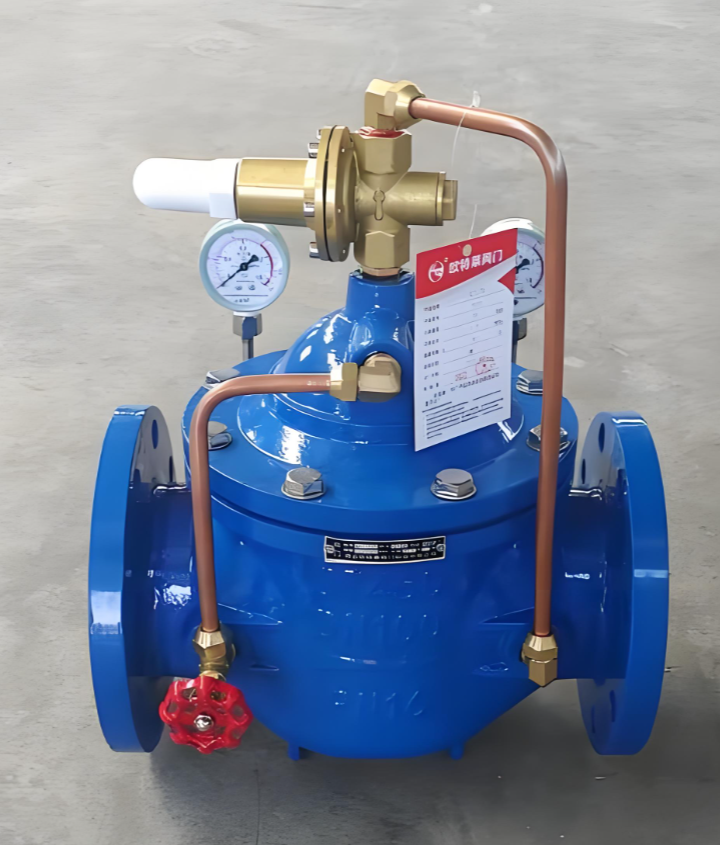
The core distinction between spring-loaded and dome-loaded pressure regulators lies in the source of the force used to control the regulating valve. Spring-loaded regulators, the most common type, utilize the force of a mechanical spring to oppose the downstream pressure. A spring pushes down on a diaphragm, which is connected to the valve plug, holding it in a position that controls the flow. The set point is adjusted by compressing or relaxing the spring. In contrast, a dome-loaded regulator uses a separate, external gas pressure source (the "dome pressure") to provide the controlling force. This dome pressure, which is precisely controlled by a pilot regulator, acts upon the top of a diaphragm or piston to position the main valve. The key difference is that the set point in a dome-loaded regulator is set by the pilot's pressure, not by a mechanical spring adjustment. This fundamental distinction in operating principle leads to significant differences in performance, particularly regarding accuracy and stability.
Performance Comparison: Accuracy, Stability, and Responsiveness
When comparing performance, dome-loaded regulators generally offer superior accuracy and stability, especially under varying flow conditions or where inlet pressure fluctuates. Because the dome pressure provides a constant, uniform force across the entire diaphragm area, the regulator can maintain a very stable downstream pressure with minimal droop (the deviation from set point as flow increases). They are highly responsive to changes in demand. Spring-loaded regulators, while simpler and more cost-effective, are more susceptible to droop. This is because the force from the spring is fixed for a given compression; as flow increases and the valve opens further, the spring force changes minimally, leading to a greater drop in downstream pressure. Additionally, spring fatigue over time can cause drift in the set point. Therefore, for critical applications requiring precise pressure control regardless of flow changes—such as in gas chromatographs, fuel gas systems, or precise process control—dome-loaded regulators are the preferred choice for their high accuracy and minimal droop.
Application Suitability: Choosing the Right Tool for the Job
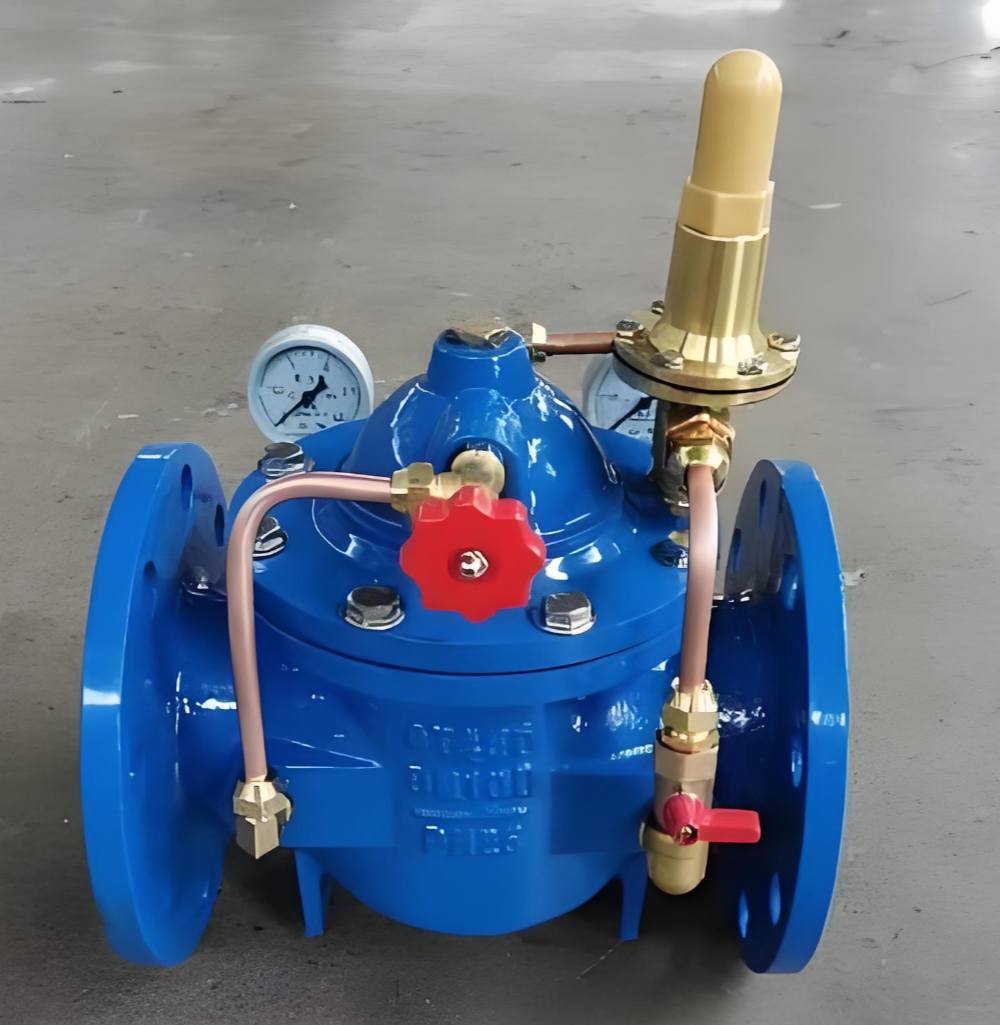
The choice between a spring-loaded and dome-loaded regulator is ultimately dictated by the specific application requirements and economic considerations. Spring-loaded regulators are ideal for general-purpose applications where extreme precision is not critical, and cost is a primary factor. They are perfectly suited for applications like utility air or water lines, instrument air supply, and less critical pressure reduction tasks. Their simplicity also means easier maintenance and a smaller footprint. Conversely, dome-loaded regulators excel in demanding applications that require precise pressure control, handle high flows, or experience significant inlet pressure variations. They are the standard for fuel gas pressure regulation for turbines and boilers, in natural gas metering and regulation skids, and for precise chemical injection. For an expert manufacturer like Shanghai Shenqi Machinery, understanding this distinction is crucial for designing optimal pressure regulation skids that meet the exact performance, reliability, and safety standards required by the client's process.
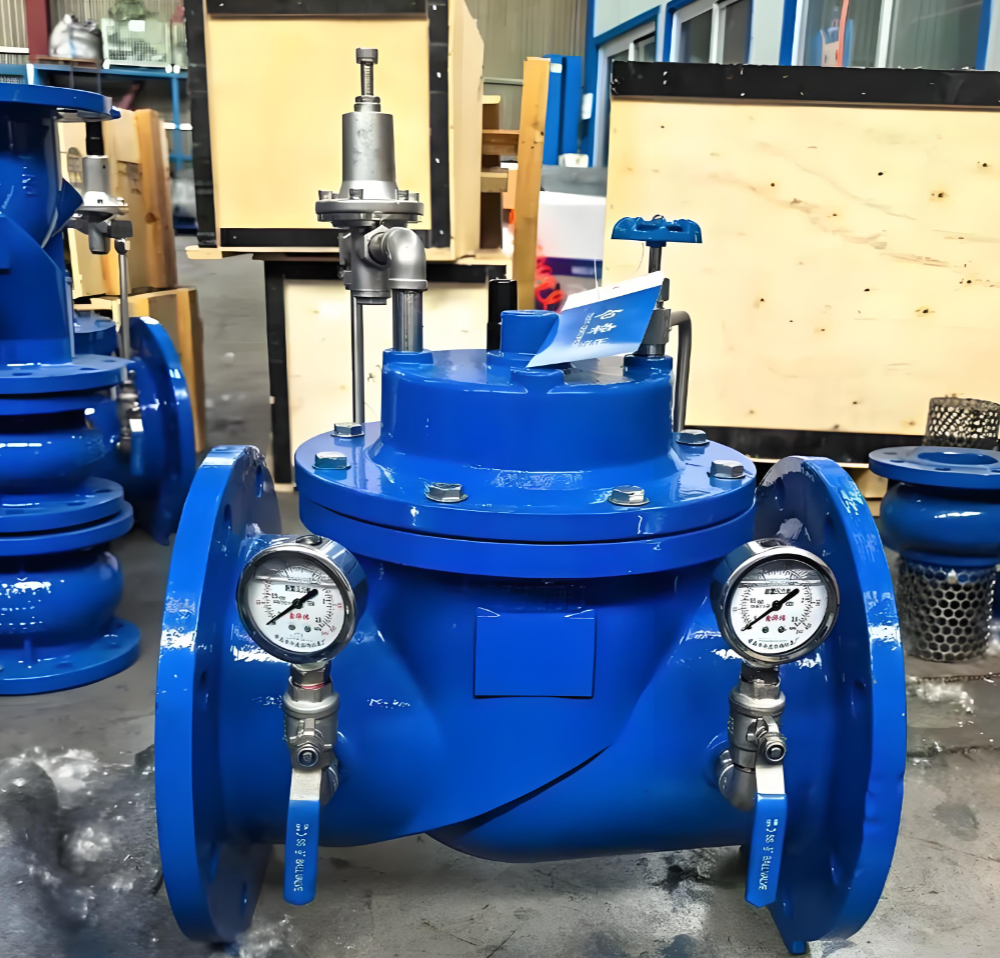
In conclusion, the choice between spring-loaded and dome-loaded pressure regulators is not about one being universally better, but about selecting the right technology for the application. Spring-loaded regulators offer a robust, economical solution for general duties, while dome-loaded regulators provide the high-fidelity control essential for critical, high-accuracy processes.