

How to Avoid Costly Delays in Skid Module Delivery
2026-02-07 21:55How to Avoid Costly Delays in Skid Module Delivery
Proactive Planning and Meticulous Front-End Engineering Design (FEED)
The most effective strategy to prevent delays in skid module delivery begins long before manufacturing starts, rooted in exhaustive Front-End Engineering Design (FEED). A comprehensive FEED process involves creating highly detailed P&IDs (Piping and Instrumentation Diagrams), 3D models, and specification sheets that leave no room for ambiguity. This stage must definitively address all process parameters (pressure, temperature, flow rates), material selection (compatible with process media), utility interfaces (power, water, air), and safety requirements. Engaging the skid manufacturer, like Shanghai Shenqi Machinery, during this phase is critical. Their engineering expertise can identify potential design conflicts, spatial constraints, or procurement challenges early on. Clear, approved documentation at this stage serves as a single source of truth, preventing costly and time-consuming change orders later. Investing time and resources in meticulous planning establishes a solid foundation for a smooth, predictable project execution timeline, ensuring that all stakeholders are aligned from the outset.
Robust Supply Chain Management and Strategic Sourcing
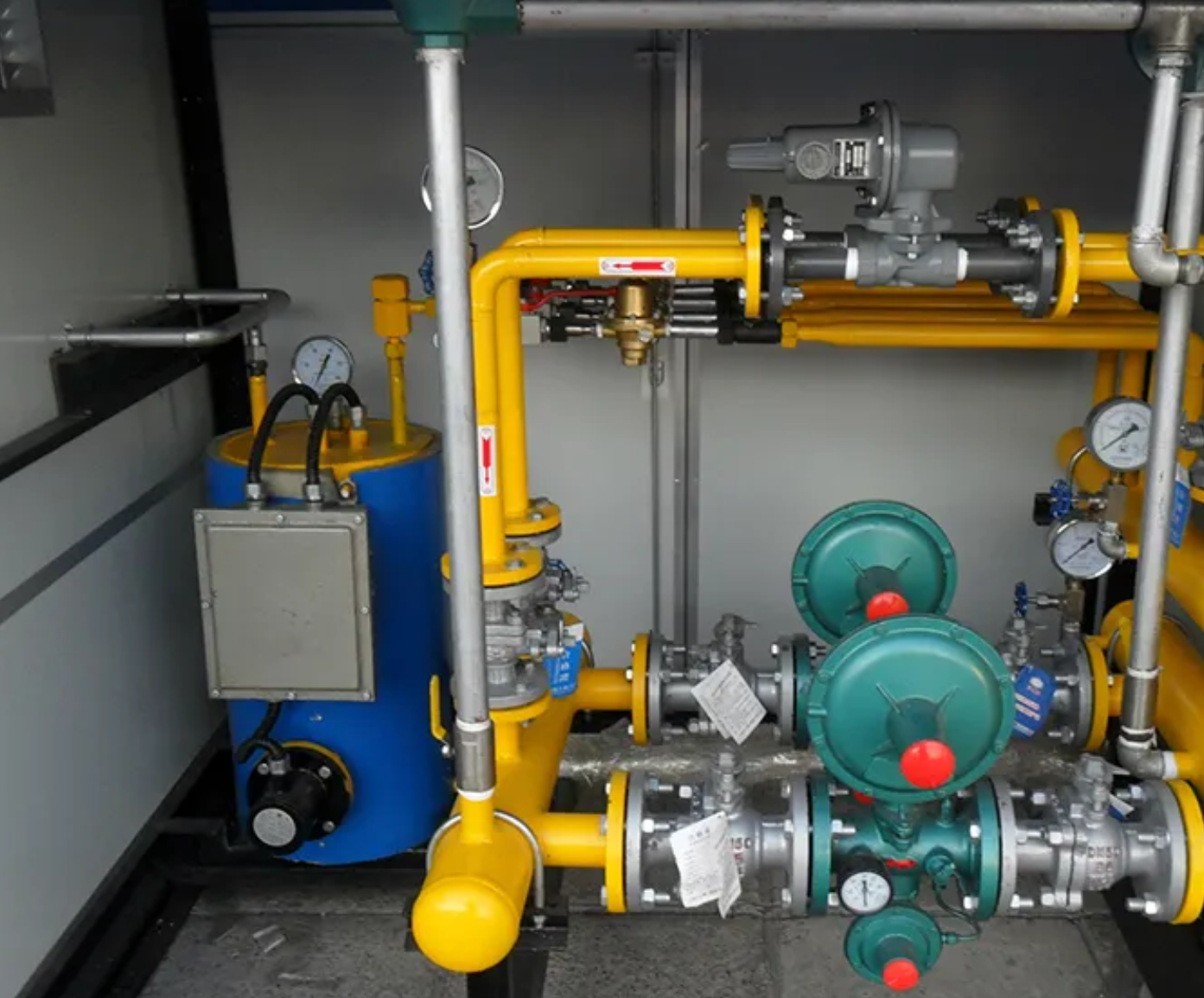
A skid module is an assembly of numerous components, from valves and pumps to instrumentation and control panels. Delays in receiving any single critical component can bring the entire production line to a halt. Avoiding this requires robust supply chain management. This involves partnering with a manufacturer that has established relationships with reliable, certified vendors for key components. Manufacturers like Shanghai Shenqi leverage their purchasing power and market knowledge to proactively secure long-lead items early in the project schedule. Furthermore, a strategic approach includes dual-sourcing for critical components where possible and maintaining a buffer stock for essential parts. Advanced planning also allows for early procurement—purchasing materials as soon as design freeze is achieved, rather than waiting for the full manufacturing schedule to commence. This proactive management of the supply chain mitigates the risk of disruptions due to geopolitical issues, logistical bottlenecks, or unexpected demand surges in the global market, ensuring a steady flow of materials to the workshop.
Advanced Manufacturing, Real-Time Communication, and Proactive Testing
Even with perfect planning and sourcing, delays can occur during fabrication. Avoiding them requires a manufacturer with a modern, efficient workshop equipped with CNC machinery and skilled welders certified to international standards. Streamlined assembly processes and project management tools that provide real-time progress tracking are essential. However, the key differentiator is proactive communication. A reputable manufacturer will provide regular, transparent updates, including photos and video walkthroughs, allowing clients to monitor progress virtually and provide immediate feedback. Crucially, integrating testing phases throughout the manufacturing process, rather than only at the end, is vital. Conducting Factory Acceptance Tests (FAT) for completed subsystems as they are built helps identify and resolve issues incrementally. This prevents the discovery of a major problem during the final FAT, which could cause significant rework and delays. This approach of continuous integration and testing, combined with open communication, ensures that the project stays on track and any deviations are corrected promptly.
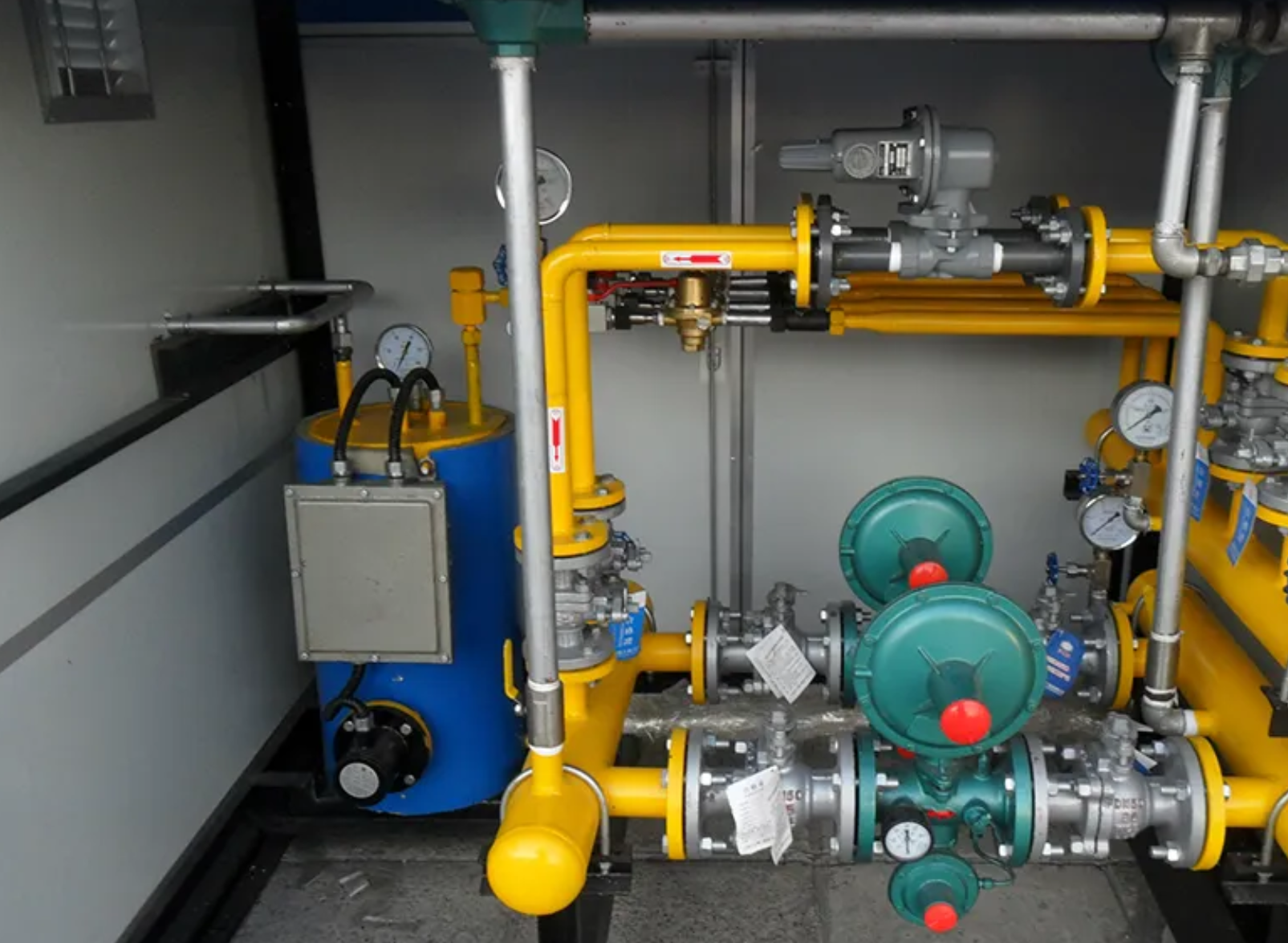
In conclusion, avoiding costly delays in skid module delivery is not a matter of luck but of disciplined execution across three pillars: meticulous front-end engineering to eliminate ambiguity, strategic supply chain management to secure materials, and advanced manufacturing coupled with transparent communication to maintain momentum. By choosing an experienced and proactive partner like Shanghai Shenqi Machinery, clients can transform a traditionally high-risk phase into a predictable, streamlined process, safeguarding their project timeline and budget.