

How to Select the Right TPR Device for Steam Systems
2026-02-13 21:33How to Select the Right TPR Device for Steam Systems
Understanding Your Process Requirements: The Foundation of Selection
Selecting the optimal Temperature and Pressure Reducing (TPR) device begins with a thorough analysis of your steam system's specific process requirements. The first critical parameter is the maximum inlet pressure and temperature you expect from the steam source, as this determines the pressure class and material strength needed for the valve body and internals. Next, you must define the desired outlet conditions—the precise pressure and temperature required by your downstream equipment, such as heat exchangers, reactors, or tracing lines. The required flow capacity, often measured in tons of steam per hour, is another vital factor, as undersizing the device will starve your process while oversizing can lead to poor control and accelerated wear. Furthermore, consider the required turndown ratio—the range over which the device can accurately control flow. A high turndown ratio is essential for systems with variable steam demand. Finally, the steam quality (whether it's saturated or superheated) will influence material selection and trim design. Partnering with an experienced manufacturer like Shanghai Shenqi Machinery at this stage ensures that all operational parameters are accurately captured, forming a solid foundation for a reliable and efficient TPR system.
Evaluating Technical Specifications and Key Components
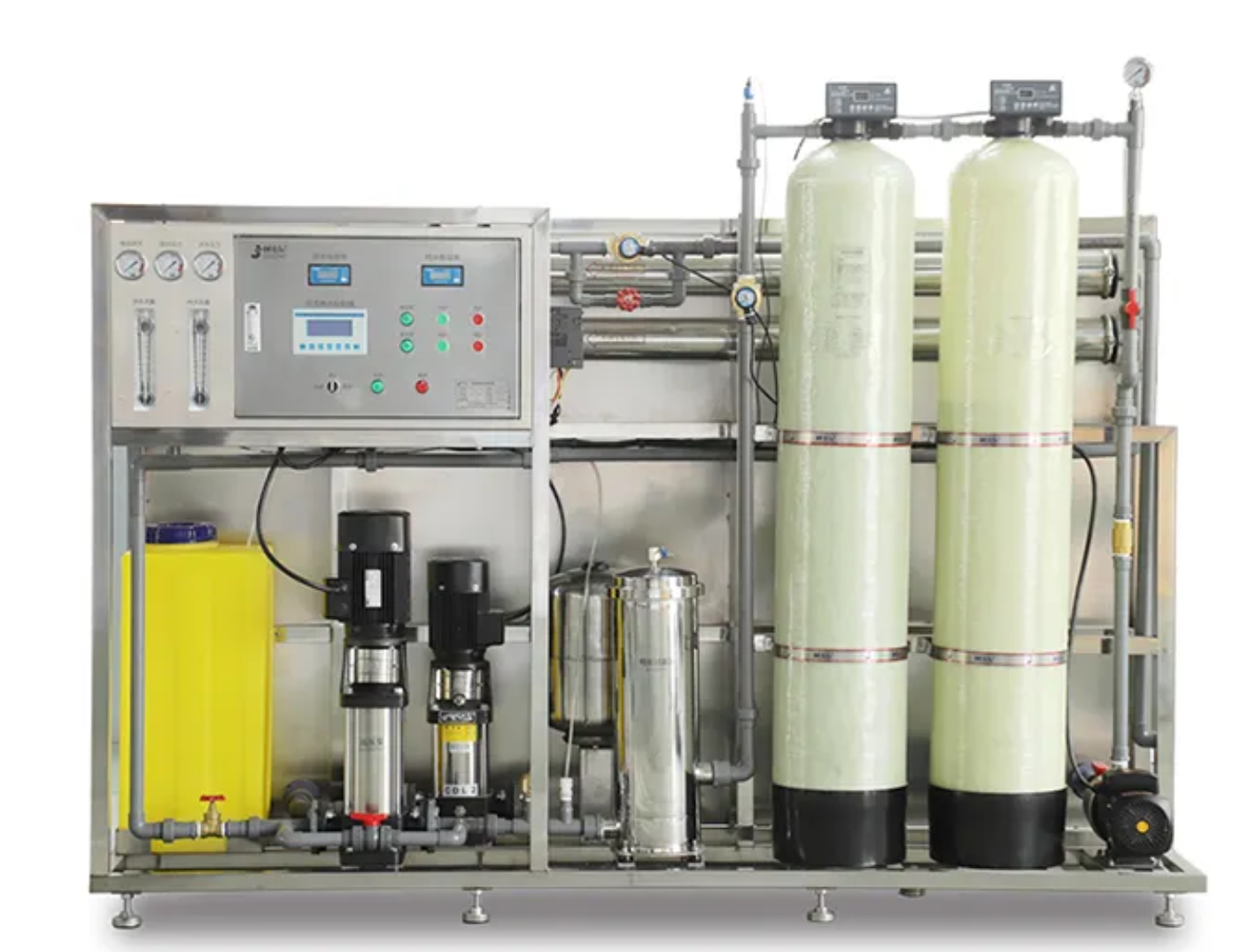
Once the process conditions are defined, the focus shifts to the technical specifications and quality of the TPR device's components. The valve trim—the internal components that regulate flow—is paramount. Look for hardened materials or specialized coatings for erosion resistance, especially in high-pressure drop applications. The actuator type (pneumatic or electric) and the control system (analog versus smart digital positioner) are crucial for control accuracy and responsiveness. A modern, smart positioner can provide valuable diagnostic data and facilitate integration with plant control systems. The heat exchanger component, responsible for temperature reduction, must be correctly sized; shell and tube designs are common for their robustness and efficiency. It's also critical to verify that the manufacturer adheres to international standards like ASME for pressure vessel design and fabrication. Suppliers like Shanghai Shenqi Machinery, with in-house design and testing capabilities, can provide detailed calculations and Factory Acceptance Test (FAT) reports, giving you confidence that the device is engineered to perform reliably under your specified conditions.
Considering Operational Reliability, Safety, and Total Cost of Ownership
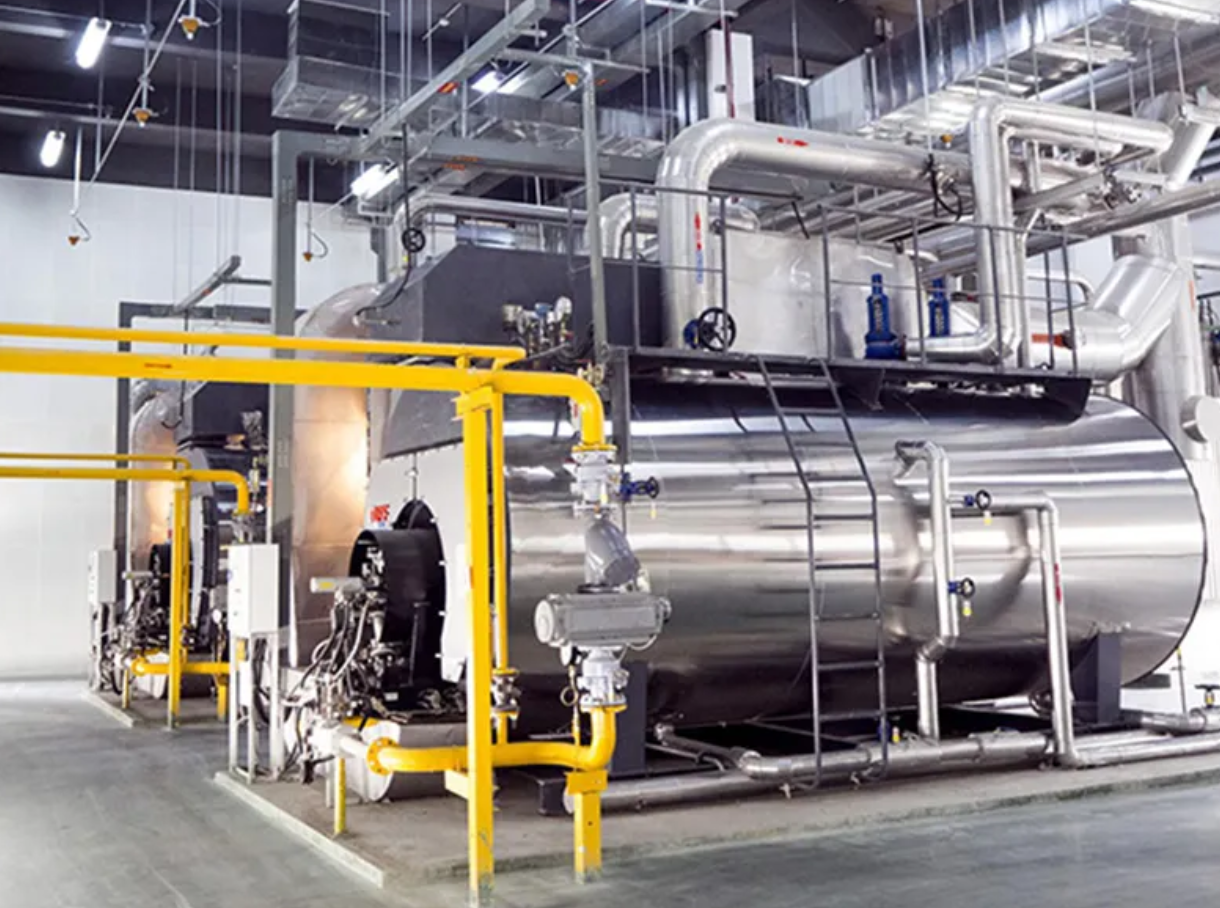
The final selection criteria extend beyond initial purchase price to encompass long-term reliability, safety, and the Total Cost of Ownership (TCO). Operational reliability is underpinned by robust construction, quality of materials, and the inclusion of safety features such as internal safety valves or redundant control systems to prevent over-pressurization. Consider the manufacturer's quality assurance process; a supplier with a rigorous regimen, from material certification to final testing, minimizes the risk of premature failure. Ease of maintenance and availability of spare parts are also critical for minimizing downtime. While a lower-specification device may have a tempting upfront cost, it often leads to higher maintenance costs, more frequent replacements, and potential production losses. Investing in a high-quality TPR device from a reputable supplier like Shenqi ensures stable process conditions, enhanced safety, and reduced lifecycle costs. Request information on warranty policies and after-sales support to complete your TCO evaluation.
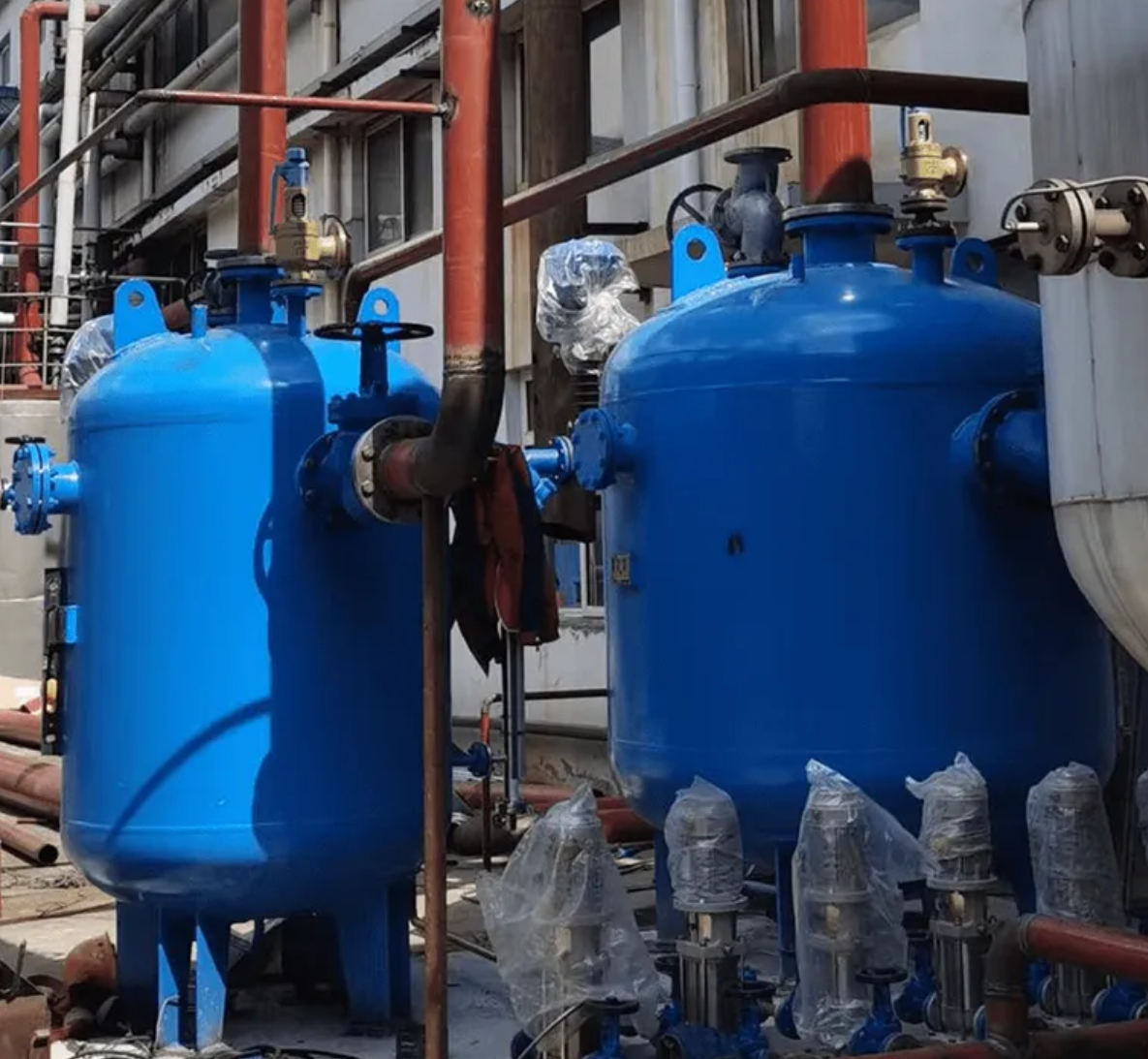
Choosing the right TPR device is a strategic decision that balances precise technical specifications with long-term operational economics. By systematically analyzing process needs, scrutinizing component quality, and evaluating the total cost of ownership, you can select a system that ensures safe, efficient, and reliable steam control for years to come. Expertise from specialized manufacturers is invaluable in navigating these choices to achieve optimal performance and return on investment.