

The Built-In Safety Features of Modern Gas Regulation Skids
2026-01-03 14:10The Built-In Safety Features of Modern Gas Regulation Skids
In the world of natural gas handling, safety is not an added feature—it is the foundational principle of design. Modern gas pressure regulating skids are engineered with layers of protection to create inherently safe systems. This article explores the critical built-in safety features that make skids from reputable manufacturers like Shanghai Shenqi the trusted choice for critical applications.
Redundant Pressure Control and Emergency Shutdown
The primary function of a gas regulation skid is to control pressure, and its first safety layer is built around this core task. Modern skids employ a robust system of redundancy and automatic shutdown to prevent both overpressure and underpressure scenarios. This typically involves an Active Monitor Regulator system, where a primary pressure regulator handles normal flow, while a separate, independently set monitor regulator stands ready to take over instantly if the primary fails or downstream pressure rises abnormally. The ultimate safety net is the Emergency Shutdown (ESD) Valve. This fail-safe valve, often activated by high-integrity pressure protection systems (HIPPS) or manual emergency buttons, will slam shut within seconds upon detecting a critical fault, completely isolating the gas supply to prevent a hazardous incident. This multi-barrier approach ensures that no single point of failure can compromise the entire system's integrity.
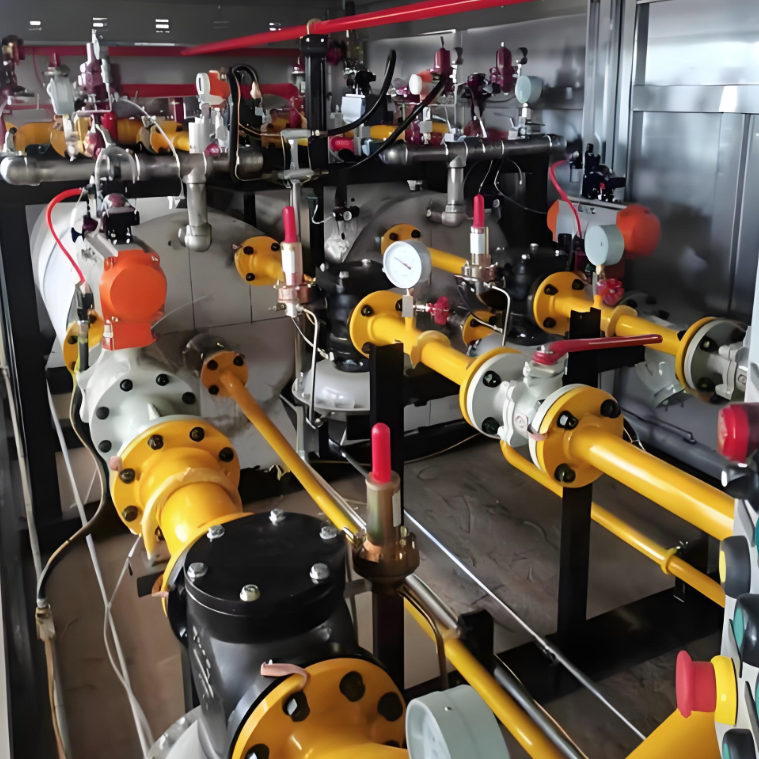
Pressure Relief and Environmental Protection
Safety extends beyond immediate failure response to include the proactive management of released gases and environmental conditions. Pressure Relief Valves (PRVs) or Bursting Discs are critical safety components installed on vessels and sections of the skid. If pressure builds up due to a blockage or thermal expansion, these devices provide a controlled, predetermined outlet to safely vent excess gas to a safe location (e.g., a flare stack), preventing catastrophic equipment rupture. Furthermore, skids designed for hazardous areas are equipped with Gas Detection and Leak Management systems. Highly sensitive sensors continuously monitor the atmosphere for combustible or toxic gas leaks. Upon detection, these systems can trigger alarms, activate ventilation fans, and even initiate a partial or full ESD sequence. For containing potential liquid spills, Bunded Skids or drip trays are integrated into the design to capture any fugitive emissions, protecting both personnel and the environment.
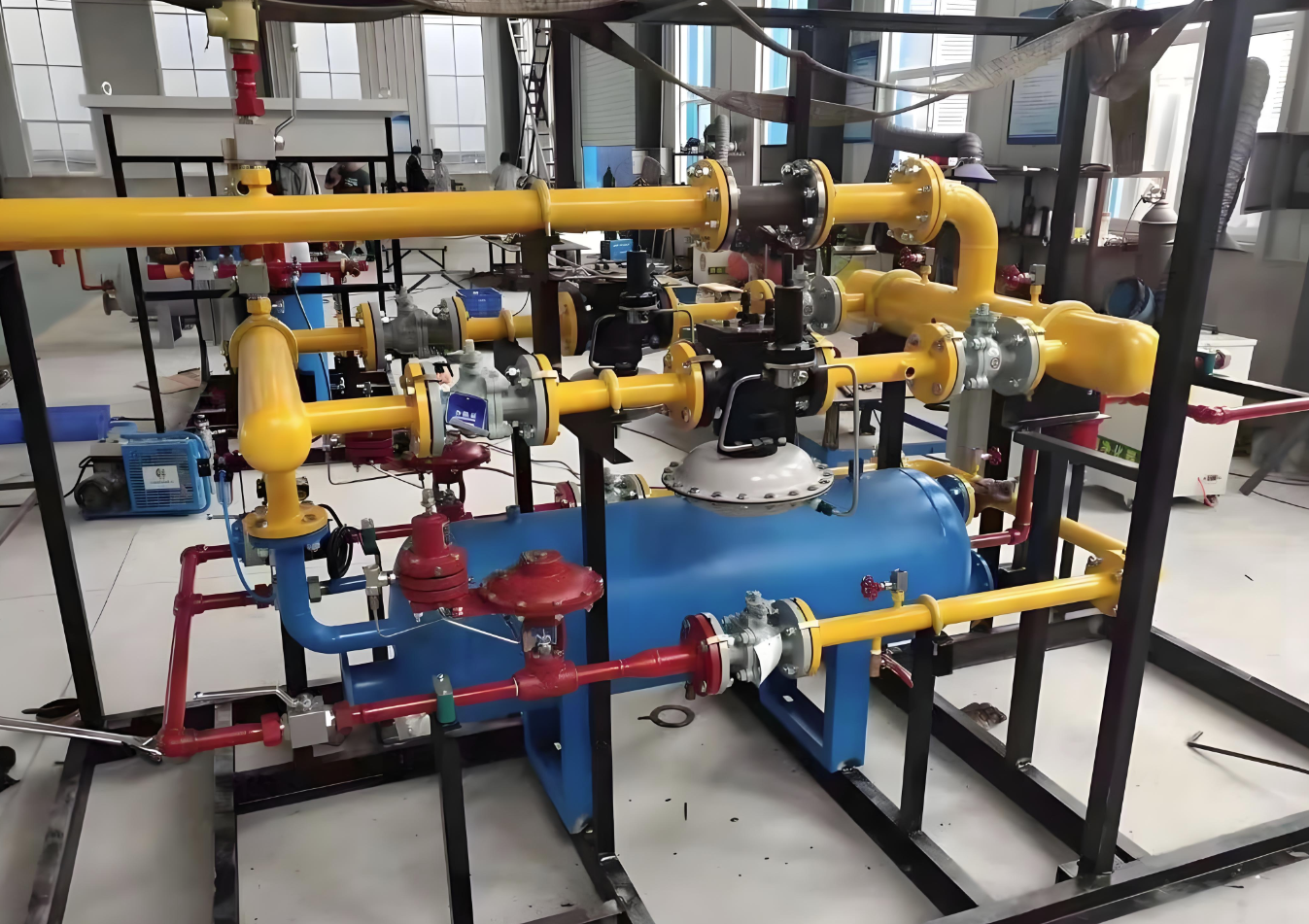
Structural Integrity and Material Selection
True safety is engineered into the skid from the very beginning, long before the first component is assembled. This inherent safety is achieved through Robust Structural Design. The skid's frame is constructed from high-strength steel to withstand not only the operational loads but also the stresses of transportation, installation, and potential external impacts, ensuring stability and preventing structural failure. Corrosion-Resistant Materials selection is equally vital. Critical components like valves, pipes, and vessels are often made from stainless steel or specially coated carbon steel to resist corrosion from the gas stream or harsh atmospheric conditions, thereby maintaining their integrity over the long term and preventing leaks caused by material degradation. Finally, features like Hazardous Area Certification for all electrical equipment (e.g., Exd flameproof enclosures) ensure that instruments and controls cannot become an ignition source in potentially explosive atmospheres, completing a holistic safety-first design philosophy.
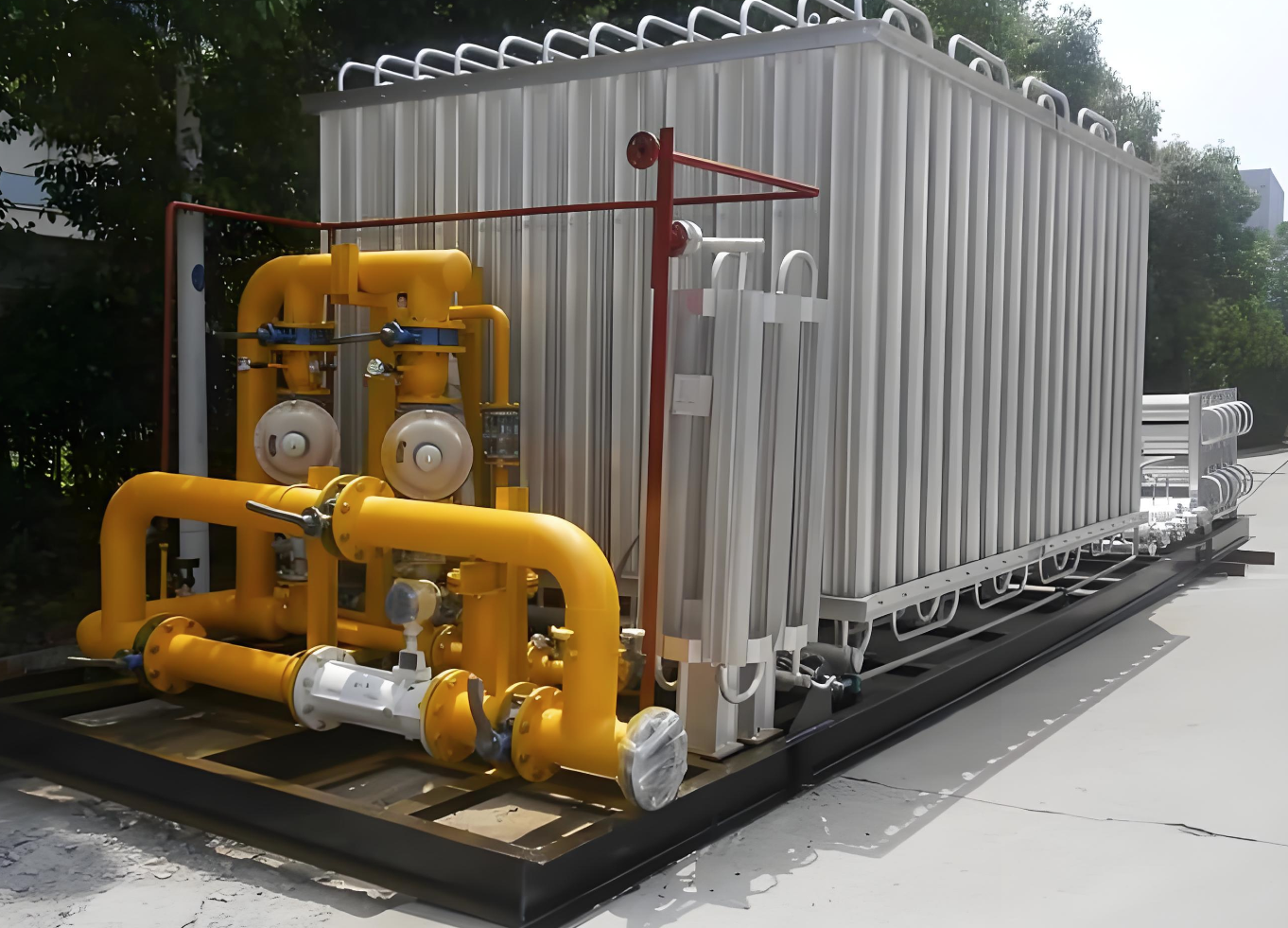
The safety of a modern gas regulation skid is not a matter of chance but of meticulous, multi-layered engineering. From redundant control systems and emergency shutdowns to proactive relief mechanisms and inherently safe design, every feature works in concert to create a resilient and trustworthy system. Choosing a skid from a manufacturer like Shanghai Shenqi, who prioritizes these built-in protections, is an investment in operational continuity, asset protection, and, most importantly, human safety.