


What Matters Most In ASME Pressure Vessel Design, Inspection, And Testing
2026-04-30 15:57When people discuss ASME pressure vessels, the most important point is not only vessel strength but full code compliance through design, fabrication, inspection, and testing. ASME’s certification overview states that the Boiler and Pressure Vessel Certification Program follows rules governing design, fabrication, assembly, and inspection of pressure equipment, while pressure-vessel overviews consistently describe the ASME Section VIII framework as covering design, fabrication, inspection, testing, and certification.
Design Basis And Code Route
The first key point is whether the vessel design basis is clearly defined: pressure, temperature, fluid service, corrosion allowance, and the correct code route. Without that, later inspection and testing cannot be aligned correctly. Code selection and design basis are the foundation of every later approval step.
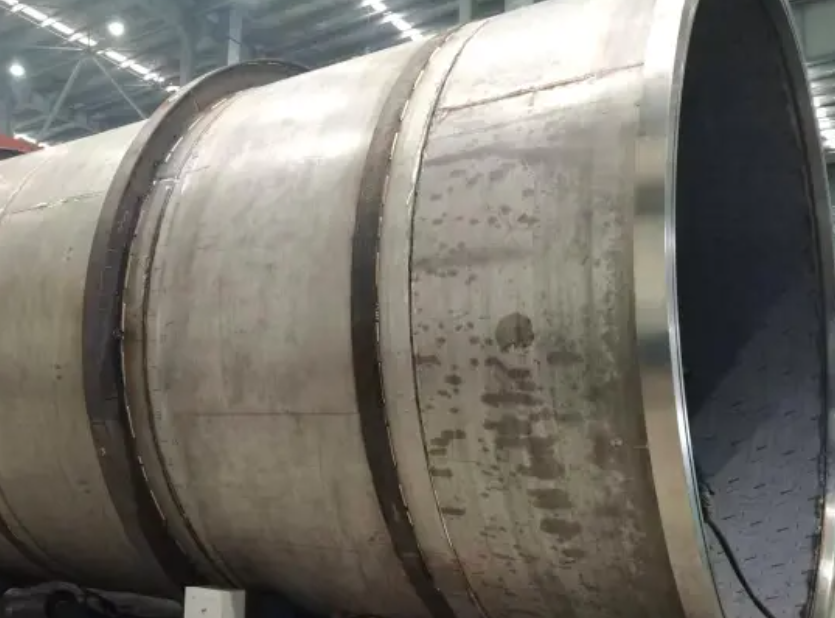
Inspection Quality During Fabrication
Inspection should be treated as part of fabrication, not as a late-stage add-on. Quality control, weld inspection, material traceability, and required examination all shape whether the finished vessel can actually demonstrate code compliance. A vessel that looks complete but lacks inspection evidence is not truly ready.
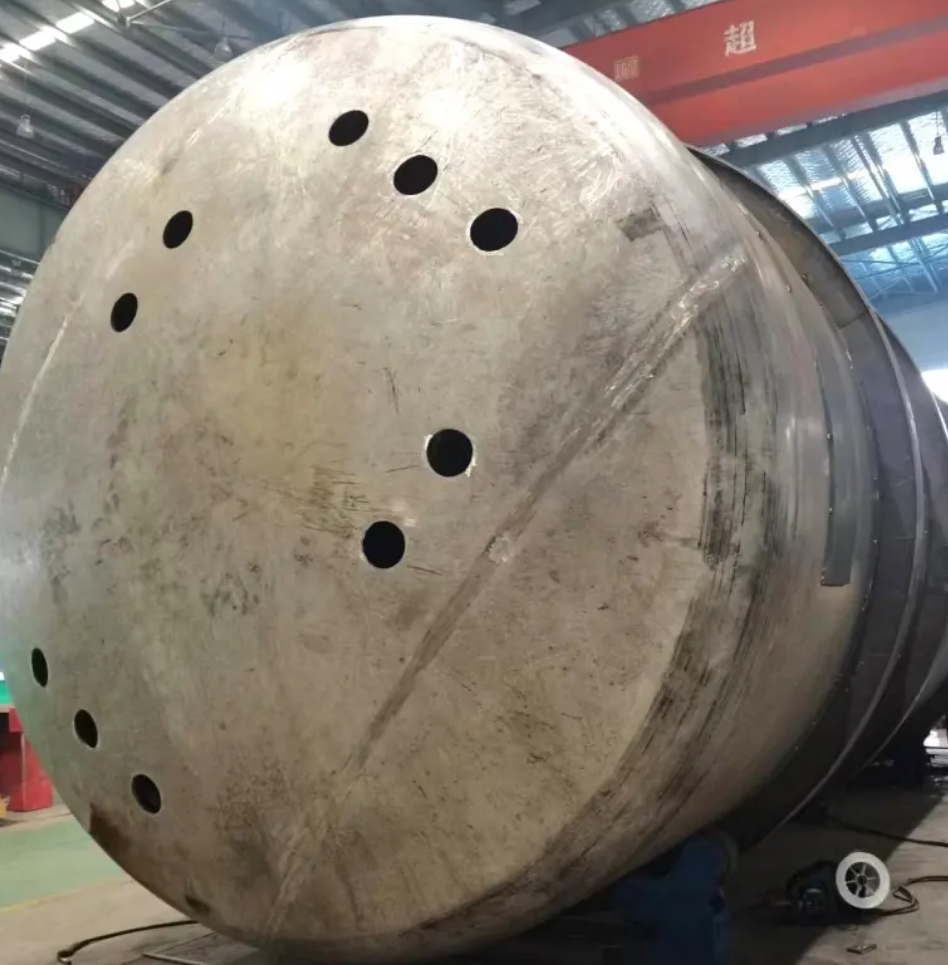
Inspection Quality During Fabrication
Inspection should be treated as part of fabrication, not as a late-stage add-on. Quality control, weld inspection, material traceability, and required examination all shape whether the finished vessel can actually demonstrate code compliance. A vessel that looks complete but lacks inspection evidence is not truly ready.
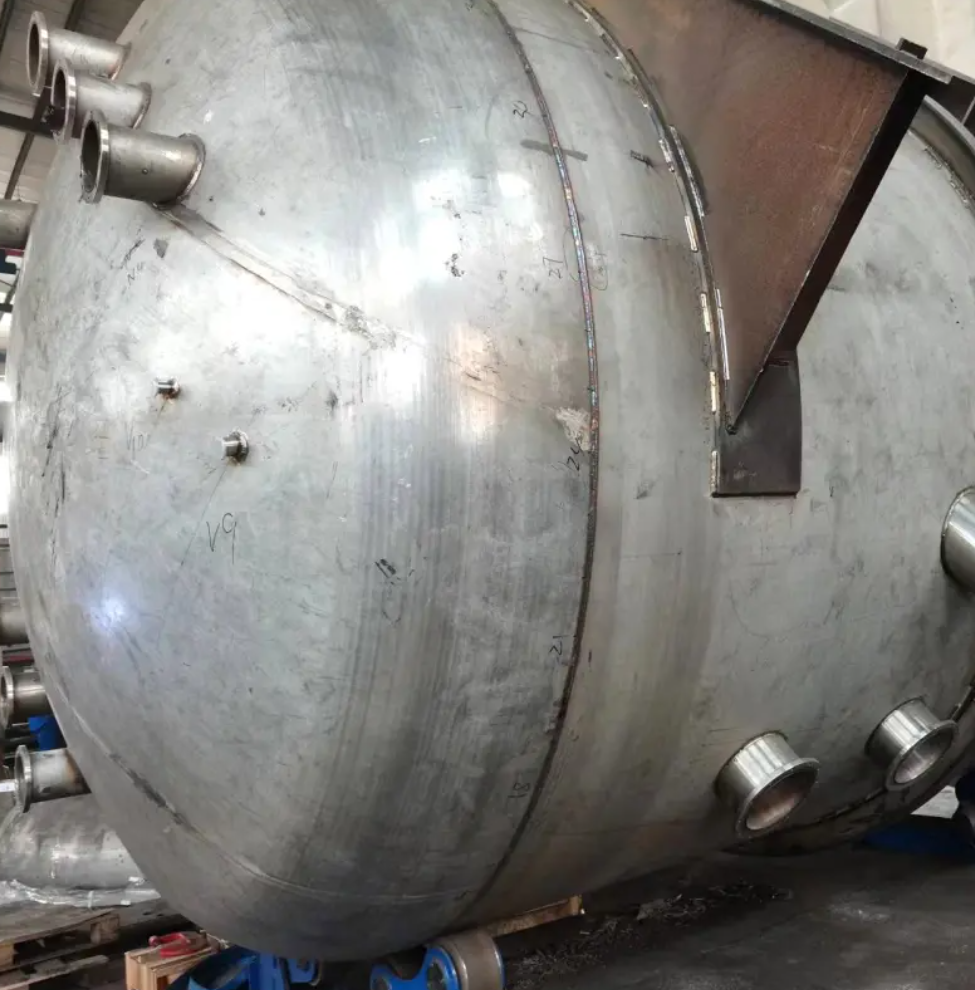
What matters most in ASME pressure vessel work is not one isolated detail, but the continuity between code basis, fabrication quality, inspection evidence, and final testing. A strong vessel project is one where all four stay connected from beginning to handover.