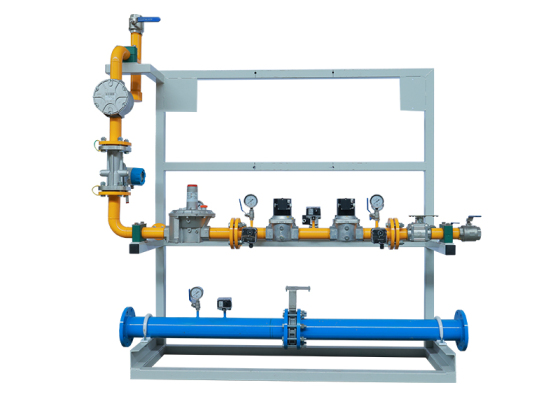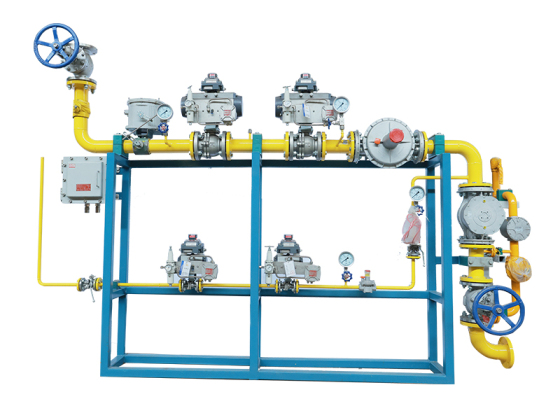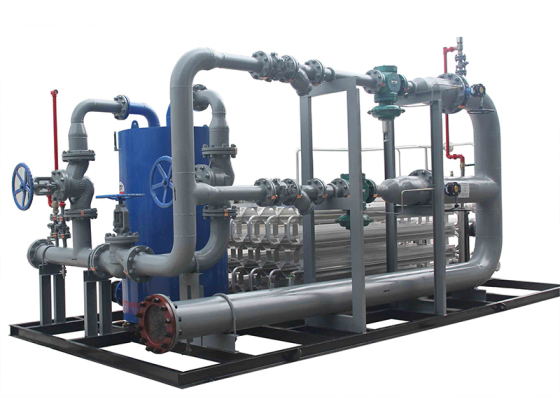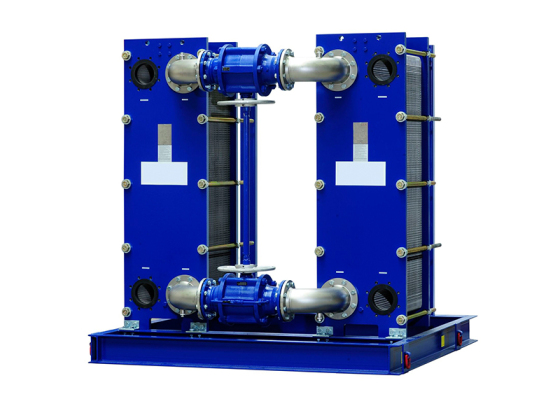



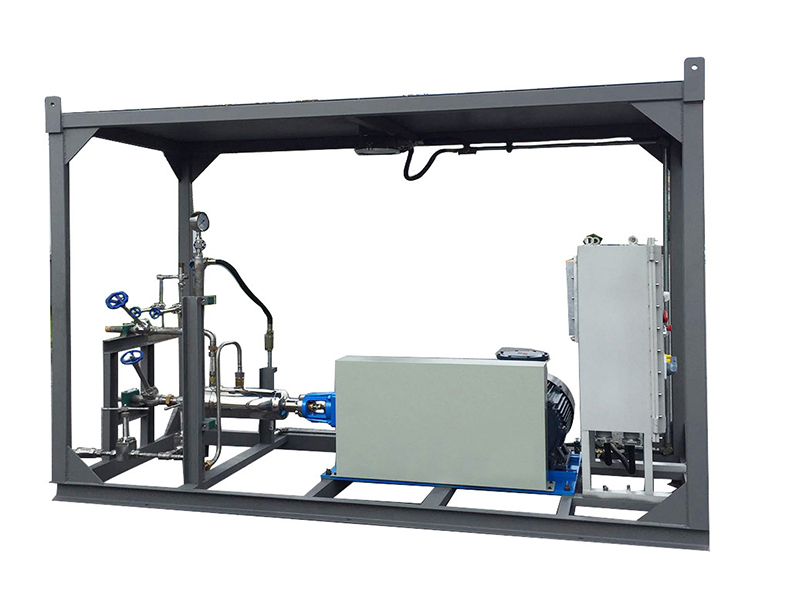
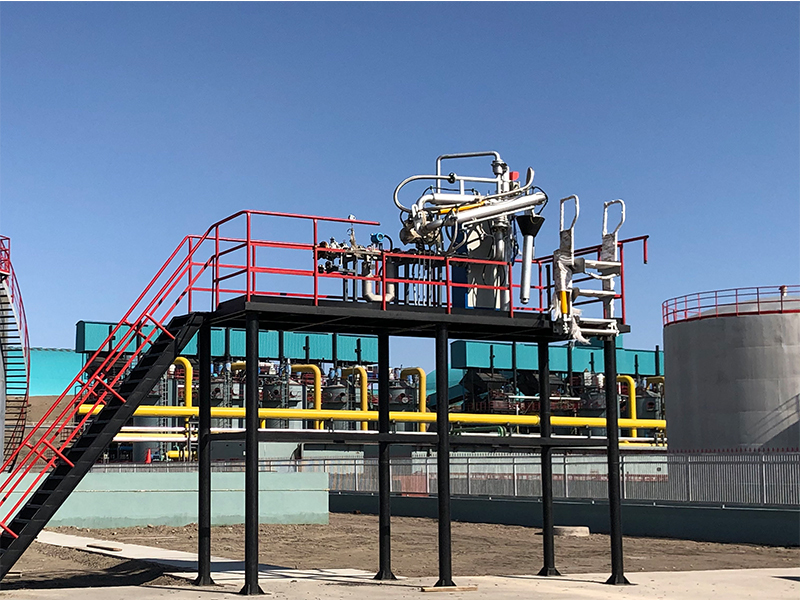
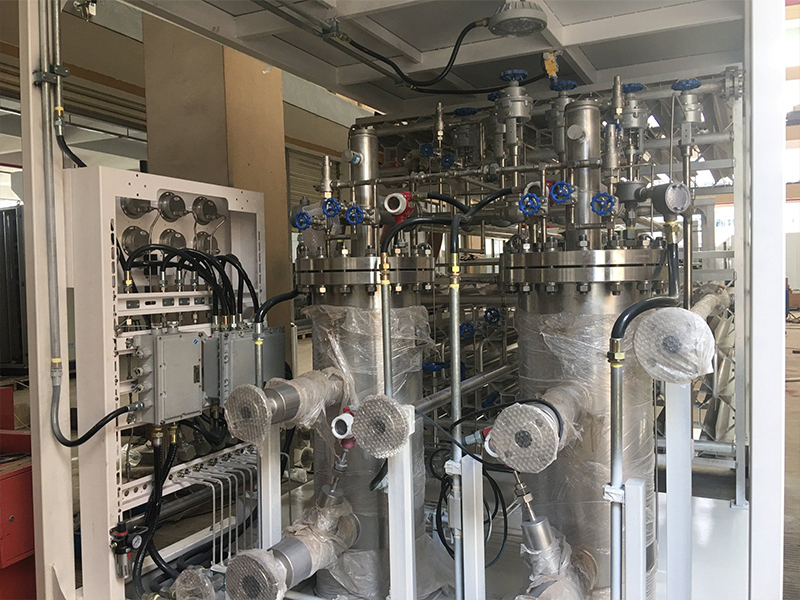
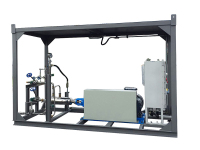
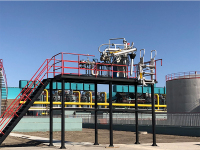
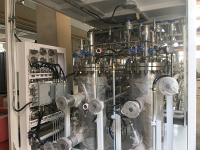
skid mounted LNG module
1. Enhanced mobility: Piled systems facilitate easy relocation via skid and modern machinery.
2. Modular design: Load-out skids integrate diverse components onto a single, sturdy steel frame.
3. Streamlined interface: Minimal connections, focusing on process access, power, and communication.
4. Future-proof setup: Compact, versatile solution optimizing industrial equipment deployment.
- SQ
- China
- 30days
- 300
- Information
Skid Mounted LNG Module
A factory-integrated LNG module designed to reduce site work, improve installation efficiency, and deliver more stable project execution for loading, unloading, transfer, metering, control, and safety management in one skid-mounted package.
Integrated LNG Module For Faster Delivery And Better Project Control
A skid mounted LNG module is a modular process package in which major equipment, control elements, flow measurement devices, valves, piping, accessories, cable supports, and structural parts are mounted on a unified steel skid. Compared with traditional field installation, this approach helps simplify coordination, reduce installation risk, improve quality consistency, and shorten the commissioning timeline.
What Is Included In The Module
The skid can integrate the load-out control system, flow meters, valves, piping, ancillary equipment, cable routing, bridge supports, connectors, and structural supports into one compact factory-built platform. The assembled module is delivered with the necessary process interfaces, power interfaces, and communication connections prepared for faster on-site integration.
Flow metering and process control elements
Valves, piping, fittings, and connection interfaces
Electrical, control, and cable support structure
Structural skid base for lifting and positioning
Why Buyers Prefer A Skid Approach
Instead of managing multiple suppliers, field assembly, and repeated on-site adjustments, buyers receive an integrated module with a more standardized fabrication process. This improves schedule control, reduces waste, and gives engineering teams a more predictable path from manufacturing to installation and start-up.
Less site labor and fewer installation variables
Earlier quality verification before shipment
Reduced rework and more stable project execution
Better lifecycle consistency and easier maintenance planning
Typical System Configuration
The module can be configured according to LNG process requirements, site layout, safety logic, metering scope, and control needs. The diagram below is a simplified engineering-style illustration for webpage presentation.
Main Functions
This module is suitable for integrated LNG handling tasks where process control, safety logic, and operational efficiency are all important. Function scope can be adjusted according to actual project requirements.
Gas And Liquid Input
Supports both gas-phase and liquid-phase process connections within one integrated skid package.
Tank-To-Tank Transportation
Designed for transfer scenarios where controlled movement between storage points is required.
Unloading And Filling
Can support loading and unloading operations with clearer process control and easier site organization.
Air Exhausting
Includes process provisions for venting and air management during operating and handling sequences.
Multilayer Filtration
Filtering stages can be integrated to improve media handling stability and protect downstream components.
Leakage Protection
Electrical leakage protection and system safety logic help reduce risk during operation.
Explosion-Proof Design
Explosion-proof electrical equipment can be integrated where hazardous-area requirements apply.
Gas Leak Alarm & Shut-Off
Supports dual-stage gas leakage alarm and automatic power cut-off when limits are exceeded.
Level Alarm & Pump Interlock
High or low liquid level alarms can be linked with automatic pump shutdown logic for safer operation.
Emergency Shutdown
Emergency shutdown logic can be integrated to support safer response during abnormal conditions.
Automatic Spraying
Spraying function can be integrated based on project requirement and system design scope.
Instrumentation Display
Supports level, temperature, pressure, and metering indication for clearer operational monitoring.
Traditional Field Installation vs. Containerized Skid Solution
For LNG projects, the difference is not only installation style. It directly affects coordination, quality control, commissioning time, maintenance cost, and long-term operating reliability.
Installation Process
Multiple on-site procedures and more cross-team coordination
Greater exposure of instruments and materials during field work
Longer installation cycle and more variables affecting quality
System Debugging
More uncertainty in cable, device, and installation matching
Longer on-site testing and repeated troubleshooting risk
System stability depends heavily on field execution quality
Costs
Higher risk of material waste and repeated site adjustments
More post-installation debugging and maintenance burden
Schedule extension can increase total project cost
Overall Result
Lower efficiency
Less consistent quality outcome
Greater risk of downtime caused by installation-related issues
Integrated Production
Factory-integrated fabrication with cleaner coordination path
Higher control over instruments, assembly quality, and protection
More stable system quality before shipment
Factory Testing
Pre-integration helps eliminate common installation mismatch
Testing can be completed earlier in a controlled environment
Standardized approach improves repeatability and system stability
Cost Efficiency
Less waste and shorter project duration
Lower site installation intensity and better manpower use
Reduced maintenance and troubleshooting after installation
Overall Result
Higher execution efficiency
More predictable lifecycle performance
Reduced downtime and smoother operation after commissioning
Engineering Process In A More Manageable Sequence
A skid solution works better when the project moves through a clear engineering path instead of fragmented site coordination. The sequence below is a concise process-style presentation suitable for product detail pages.
Requirement Review
Flow, pressure, operating mode, layout, and safety logic are clarified first.
Skid Design
Equipment arrangement, piping routing, interfaces, and control points are organized.
Factory Fabrication
Structure, piping, components, and electrical integration are completed in a controlled environment.
Inspection & Testing
Integration and testing are carried out before shipment to reduce field uncertainty.
Site Connection
The module arrives as one organized package for faster positioning and connection.
What Buyers Usually Need To Confirm
Process medium and required handling mode
Gas / liquid input conditions
Filling, unloading, or transfer duty
Level, pressure, temperature, and metering requirements
Explosion-proof electrical requirement
Alarm logic and shutdown interlock scope
Required document package and project schedule
Site power, communication, and interface conditions
Customizable Scope
Each skid mounted LNG module can be configured according to process requirement, operating condition, and project-specific engineering scope. The table below is intentionally written in a conversion-oriented format that is easier for international buyers to understand.
| Item | Description | Typical Buyer Concern |
|---|---|---|
| Module Function | Loading, unloading, transfer, filling, exhausting, metering, or integrated handling package | Whether one skid can cover multiple operating duties |
| Input Condition | Gas input, liquid input, or combined process requirement | Compatibility with actual project process condition |
| Safety Logic | Leak alarm, shutdown interlock, level alarm, pump stop, and emergency shutdown scope | Whether the safety response logic matches project needs |
| Instrumentation | Level, temperature, pressure, and metering indication | Visibility, monitoring clarity, and operation convenience |
| Filtration | Multilayer filter arrangement based on medium and operating duty | Protection of downstream components and process stability |
| Electrical Scope | Power leakage protection and explosion-proof equipment integration where required | Site safety compliance and interface convenience |
| Structural Design | Steel skid base sized for lifting, transport, and positioning | Ease of relocation and site installation efficiency |
| Connection Interface | Process connection, power supply interface, and communication interface arrangement | How easily the module can connect to the existing system |
| Document Package | Can include drawings, technical files, inspection records, and project support documents | Approval, installation, and maintenance readiness |
Documents Buyers Usually Expect
For project-based LNG modules, documentation is part of the product value. A clearer document package supports purchasing, installation planning, commissioning, and later maintenance.
FAQ
Can one skid support both gas and liquid process connections?
Yes. The module can be designed to handle gas input, liquid input, or combined process requirements depending on project scope.
Is this module more suitable than traditional field installation?
For many projects, yes. A skid approach usually improves coordination, reduces site work, and gives better control over quality and schedule.
Can alarm, shutdown, and interlock functions be integrated?
Yes. Gas leakage alarm, level alarm, emergency shutdown, and automatic power or pump interlock functions can be incorporated according to project requirements.
Can explosion-proof electrical equipment be included?
Yes. Where hazardous-area requirements apply, the electrical scope can be configured with explosion-proof equipment based on the project standard and application environment.
What information should a buyer provide first?
It is best to provide the required module function, process condition, alarm logic, electrical requirement, instrumentation scope, and any available drawings or project documents.
Need A Customized Skid Mounted LNG Module?
Send your project requirement and we can review the operating function, safety logic, interface scope, and integration direction for a more suitable LNG skid solution.
Loading or unloading requirement
Gas / liquid input condition
Alarm and shutdown logic
Explosion-proof requirement
Metering and instrumentation scope
Available drawing or specification
Please share your project type, operating condition, safety requirement, and available drawings so the technical team can prepare a more targeted proposal.