



7 Strategic Advantages of Mature LNG Skid-Mounted Stations Revolutionizing Energy Infrastructure
2025-05-23 22:29As global demand for liquefied natural gas (LNG) surges, skid-mounted stations are emerging as a game-changer in energy infrastructure. These pre-engineered modular systems combine compact design with industrial-grade performance, addressing critical challenges in project timelines, cost control, and operational efficiency. Industry reports indicate a 34% CAGR growth for LNG skid solutions from 2023–2030, driven by their unparalleled adaptability across remote mining sites, maritime terminals, and urban peak-shaving applications.
1. Design Excellence: Space Optimization & Precision Engineering
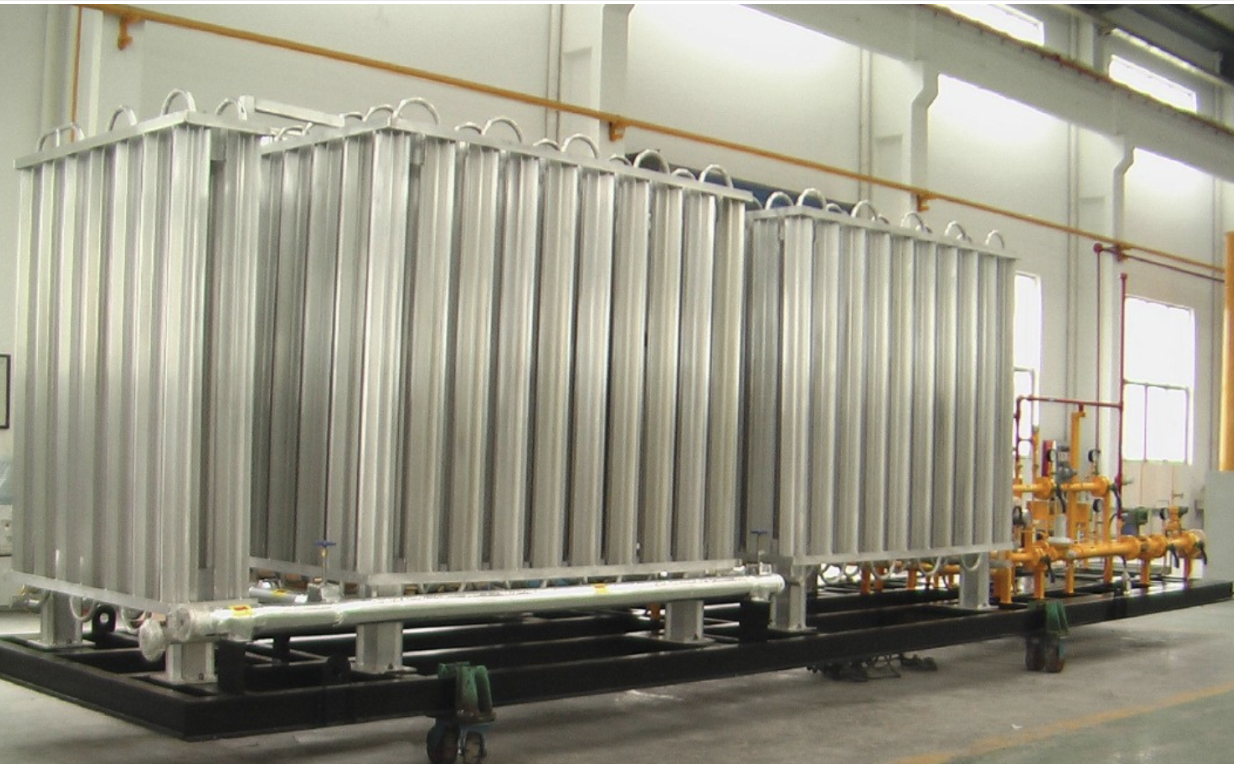
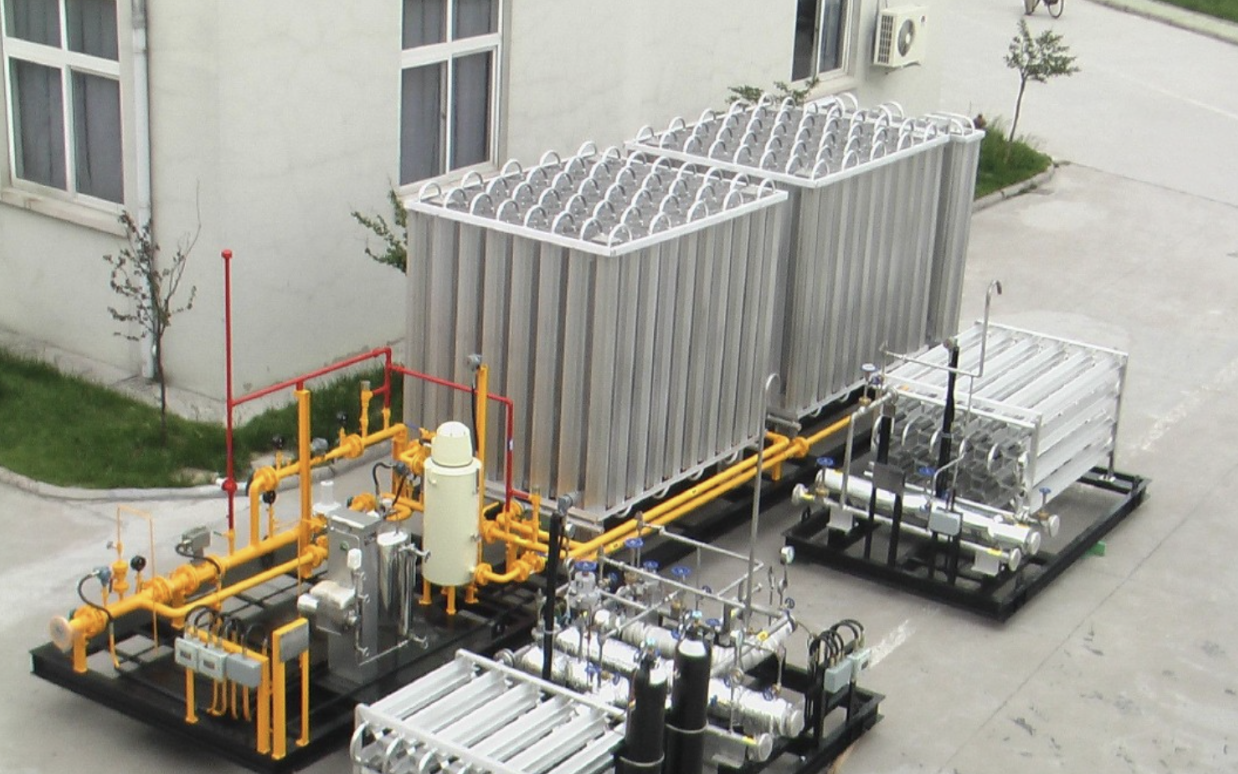
LNG skid-mounted stations leverage 3D modular design principles to maximize functionality within minimal footprints:
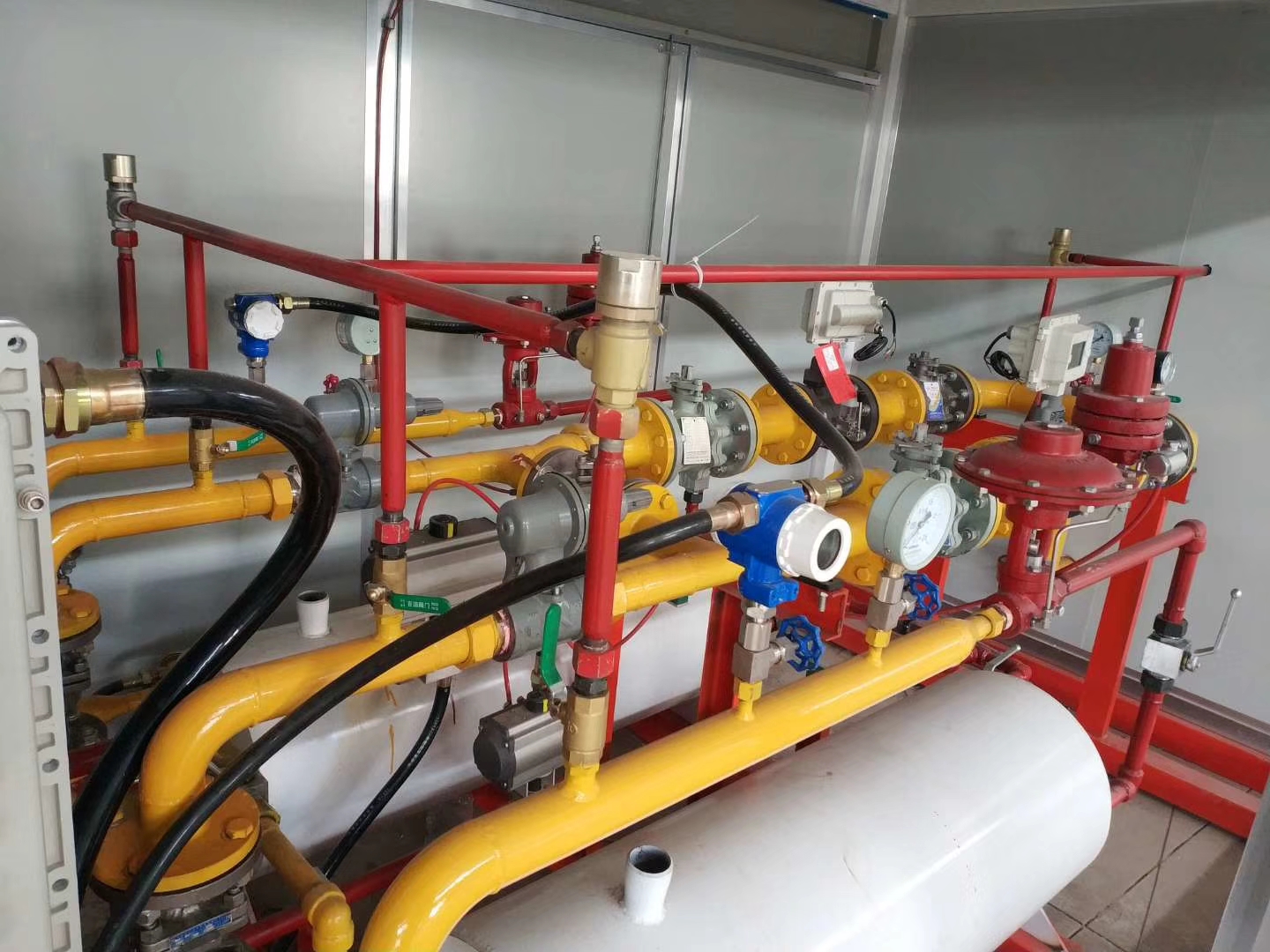
Integrated Layouts: Equipment clusters (compressors, vaporizers, control systems) are arranged using CFD-optimized spatial mapping, reducing pipeline runs by 62% compared to traditional stations.
Standardized Modules: Pre-certified designs comply with NFPA 59A and EN 1473 standards, slashing engineering hours by 400–600 per project.
Digital Prototyping: BIM models enable 48-hour design iterations, ensuring 99.8% clash-free installations.
Case Study: A Sinopec project in Xinjiang deployed a 50,000 Nm³/day skid station in 18 weeks—60% faster than conventional builds.
2. Procurement Simplification: Plug-and-Play Components
The skid-mounted approach transforms supply chain dynamics:
Unified Vendor Packages: 87% of components arrive pre-installed on skids, cutting procurement line items from 2,300+ to under 200.
Global Certification Portability: ASME U-stamp and PED compliance documentation travels with skids, eliminating 75% of local compliance hurdles.
Inventory Reduction: Spare parts requirements drop by 40% due to standardized equipment profiles.
Data Point: ENN Energy’s skid projects report 91% reduction in delayed shipments versus traditional EPC models.
3. Rapid Deployment: 90-Day Installation Guarantees
Field construction becomes streamlined through:
Pre-commissioned Skids: Factory-tested subsystems arrive with <0.5% defect rates, versus 4–6% in stick-built sites.
Smart Connection Kits: RFID-tagged flanges guide technicians in proper bolt torque sequences via AR glasses.
Minimal Civil Works: Foundation requirements shrink by 80% through vibration-dampening skid frames.
Industry Benchmark: Shell’s Q-Max skid stations in Argentina achieved mechanical completion in 63 days—a new regional record.
4. Operational Simplicity: AI-Driven Maintenance Regimes
Skid-mounted stations embed smart monitoring capabilities:
Self-Diagnosing Systems: Edge computing nodes detect performance deviations 72+ hours before alarms trigger.
Unified HMI Platforms: Operators control all skids through a single interface with multi-language support.
Predictive Parts Replacement: Machine learning forecasts seal/gasket failures with 94% accuracy.
Tech Spec: Emerson’s DeltaV skid control systems reduce operator training time from 12 weeks to 8 days.
5. Capital Efficiency: 30% Lifetime Cost Reduction
Economic advantages cascade across project lifecycles:
Bulk Manufacturing Discounts: Serial production of 50+ identical skids drives unit costs down by 18–22%.
Insurance Premium Reductions: Factory-built modules qualify for 15% lower premiums due to enhanced safety controls.
Energy Recovery Systems: Waste cold energy from LNG regasification is repurposed to power skid instrumentation.
ROI Analysis: Total ownership costs for PetroVietnam’s Thi Vai terminal fell by $7.2M over 10 years using skids.
6. Schedule Compression: From Years to Months
The skid methodology accelerates project timelines through:
Parallel Workflows: Civil works proceed simultaneously with skid fabrication, saving 4–6 months.
Weather-Independent Manufacturing: 85% of construction shifts to climate-controlled factories.
Mobilization Efficiency: A 10,000-ton skid station requires 90% fewer site workers than conventional builds.
Global Trend: 78% of new LNG bunkering facilities now mandate skid-based designs for speed-to-market.
7. Scalable Profitability: Early Revenue Generation
Accelerated commissioning unlocks financial benefits:
Phase-Deployment Models: Capacity expands via plug-in skids as demand grows, avoiding overinvestment.
Peak Shaving Readiness: Stations can begin grid-balancing operations within 48 hours of installation.
Carbon Credit Bonuses: Modular designs achieve 12% lower Scope 3 emissions, qualifying for green financing.
Market Impact: Cheniere Energy’s Corpus Christi Phase III added $300M/year EBITDA using skid-based capacity boosts.
Visual Design Guide
Infographics: Side-by-side timeline comparisons (traditional vs. skid projects) using orange/blue color coding
Technical Schematics: Exploded-view diagrams showing skid-layer architecture (structural, mechanical, control)
Data Visualization: Radial charts quantifying cost/time savings across design, procurement, and O&M phases
With the ISO 20563 standardization for LNG skids finalized in 2024, industry experts predict these modular units will capture 45% of the global small-scale LNG market by 2028. From Arctic microgrids to tropical island power plants, skid-mounted stations are redefining what’s possible in agile, sustainable energy infrastructure.
Related product and article resources
For procurement comparison and technical evaluation, readers can continue with these related product pages and supporting articles.