


Ammonia Cracking Skids for Hydrogen Fuel Applications
2026-02-16 11:12Ammonia Cracking Skids for Hydrogen Fuel Applications
The Science Behind Ammonia Cracking Technology
Ammonia cracking represents a breakthrough in hydrogen fuel applications by converting ammonia (NH₃) into high-purity hydrogen through thermal decomposition. This process occurs at temperatures of 800–950°C using nickel-based catalysts, achieving conversion efficiencies up to 90%. Shanghai Shenqi Machinery’s skid-mounted cracking systems integrate reformers, heat exchangers, and purification units in compact modules, enabling on-site hydrogen production without transportation risks. Their designs prioritize energy recovery—capturing waste heat to preheat reactants—which reduces external energy demands by 30%. For industries transitioning to green hydrogen, ammonia serves as an ideal carrier due to its high hydrogen density (17.6 wt%) and established logistics infrastructure. Shenqi’s skids ensure seamless adaptation to this emerging technology.
Engineering Innovations in Shenqi's Cracking Skids
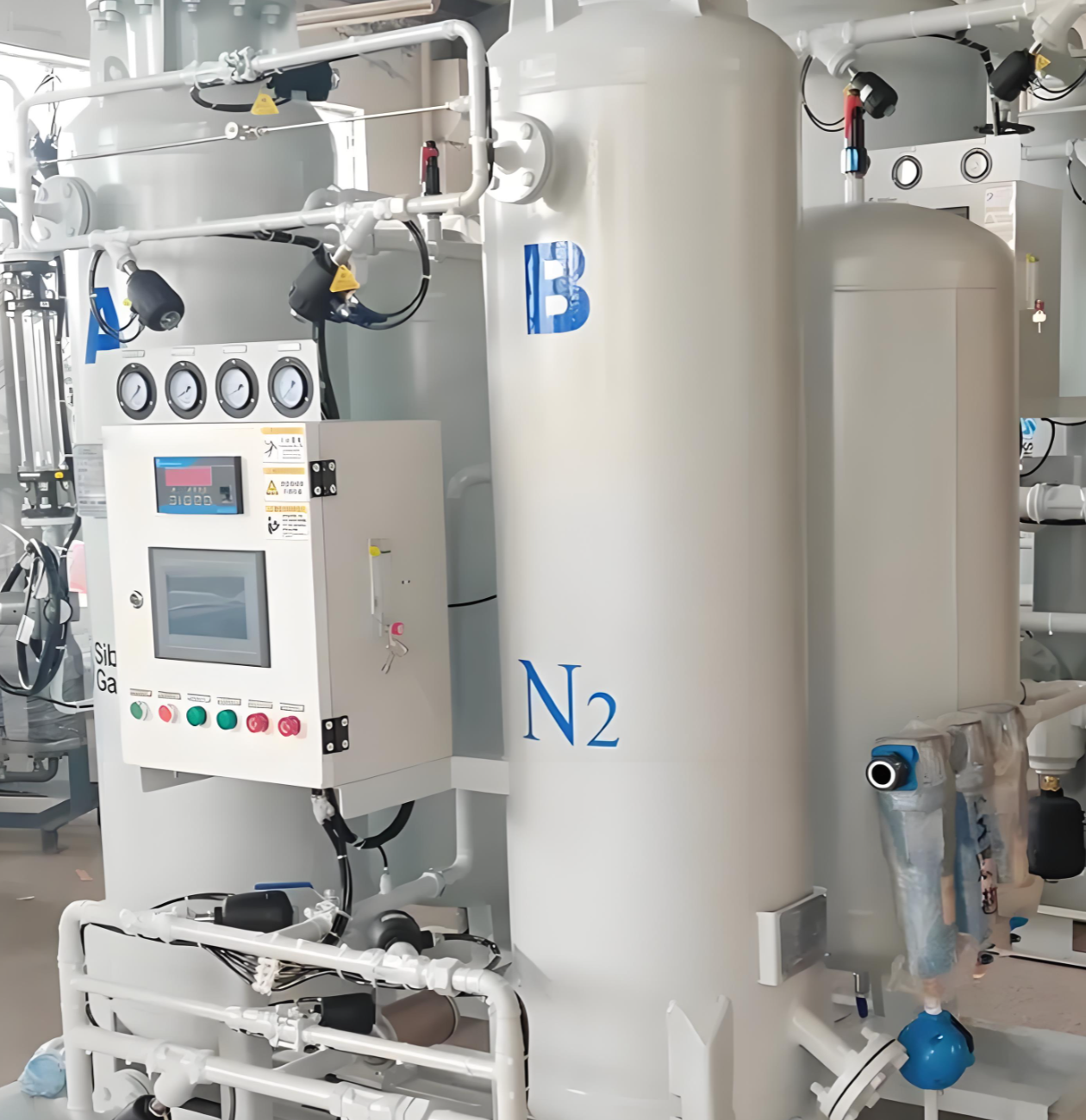
Shenqi's ammonia cracking skids stand out through modular engineering and smart controls. Each unit features automated temperature regulation via PLC systems, real-time gas composition monitoring with IoT sensors, and safety mechanisms like pressure-relief valves and flame arrestors. The skids are constructed from heat-resistant alloys (e.g., Inconel 600) to withstand prolonged high-temperature operation. A key innovation is the integration of membrane purification modules, which filter residual ammonia to deliver hydrogen with purity exceeding 99.97%—meeting fuel cell-grade standards. In a recent project for a Jiangsu industrial park, Shenqi’s skid achieved continuous operation for 10,000 hours with minimal maintenance, demonstrating reliability for large-scale hydrogen refueling stations.
Applications Driving the Hydrogen Economy
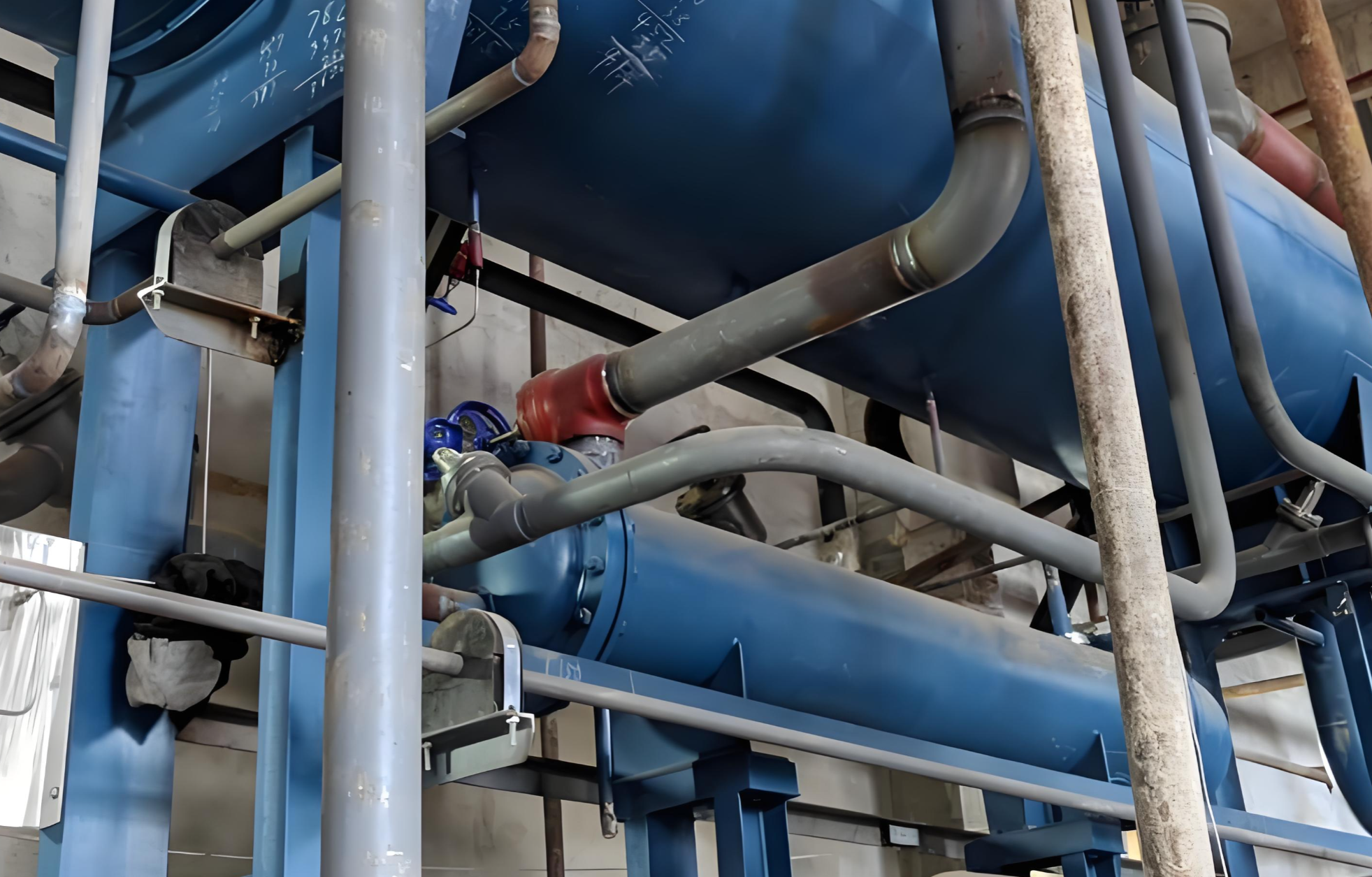
From transportation to industrial decarbonization, Shenqi’s cracking skids enable diverse hydrogen applications. They power fuel cell vehicles by supplying high-purity hydrogen to refueling stations, support glass manufacturing by replacing fossil fuels in float lines, and provide backup energy for telecom towers via hydrogen generators. The skids’ modularity allows scalability—from 50 kg/day pilot systems to multi-ton industrial units. In a partnership with a European port authority, Shenqi deployed containerized cracking skids to produce hydrogen for cargo-handling equipment, reducing diesel consumption by 80%. The company’s adherence to ASME and CE standards ensures global compliance, while their prefabricated design cuts installation time by 60% compared to field-built alternatives.
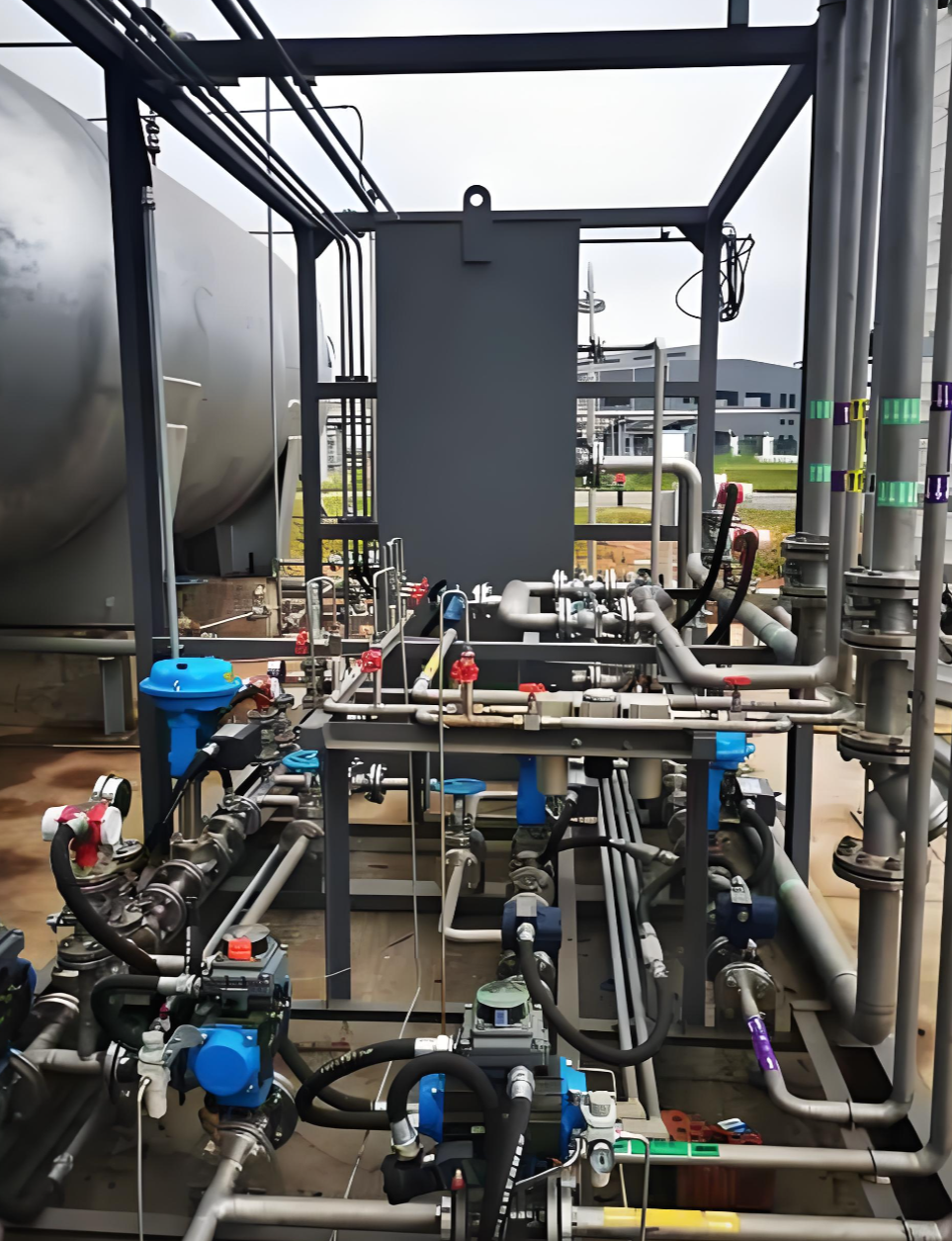
Ammonia cracking skids bridge the gap between hydrogen production and utilization, offering a safe, efficient pathway for decarbonization. Shanghai Shenqi Machinery’s engineered solutions combine thermal efficiency, modular flexibility, and stringent safety protocols to accelerate adoption across sectors. As green ammonia supply grows, their technology will be pivotal in scaling the hydrogen economy.