

Combating Corrosion: Material and Protection Strategies for Skids in Sour Gas Service
2025-12-16 11:25Combating Corrosion: Material and Protection Strategies for Skids in Sour Gas Service
1. The Enemy Within: Understanding the Harsh Reality of Sour Gas
Sour natural gas, characterized by the presence of hydrogen sulfide (H₂S), carbon dioxide (CO₂), and water, presents one of the most aggressive environments for industrial equipment. The primary challenge is sulfide stress cracking (SSC) and hydrogen-induced cracking (HIC), phenomena where atomic hydrogen, generated by the corrosive reaction of H₂S and water, penetrates the steel, leading to sudden, brittle failure under stress. Even trace amounts of H₂S can trigger these mechanisms. Furthermore, the combination of CO₂ and water forms carbonic acid, leading to general corrosion and pitting. Therefore, the first and most critical step in designing a pressure regulating skid for such conditions is a thorough analysis of the gas composition, including partial pressures of H₂S and CO₂, temperature, pressure, and presence of free water. This data directly dictates the selection of materials and the required level of corrosion protection, forming the foundation of a robust design strategy.
2. The First Line of Defense: Strategic Material Selection and Manufacturing
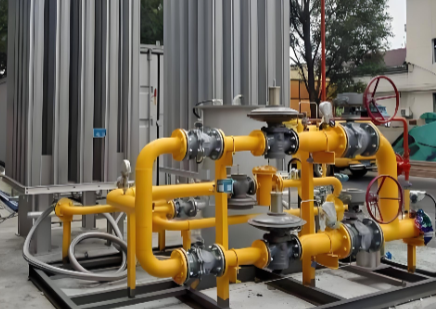
The cornerstone of resilience in sour service is the meticulous selection of base materials. Standard carbon steels are highly susceptible to SSC/HIC. The industry, therefore, relies on specially designed steels that comply with international standards like NACE MR0175/ISO 15156. These are typically low-hardness, carbon-manganese steels with fine-grained practice and strict control over impurities like sulfur and phosphorus to enhance HIC resistance. For critical components such as valve trim, regulators, and instrumentation connectors, higher-grade materials are mandatory. Austenitic stainless steels (e.g., 316/316L), duplex stainless steels, and in severe cases, nickel alloys (e.g., Inconel, Hastelloy) are employed for their superior resistance to both general and localized corrosion. Beyond chemistry, the manufacturing process is vital. Components must undergo specialized heat treatments (normalizing and tempering) to achieve a fine, homogeneous microstructure that minimizes hardness and internal stresses, thereby drastically reducing susceptibility to cracking.
3. Multi-Layered Protection: Coatings, Inhibitors, and System Design
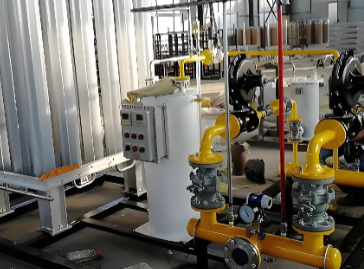
Even with optimized materials, additional protective layers are essential for long-term integrity. Internal coatings and linings, such as high-performance epoxy, phenolic, or polyethylene layers, create a physical barrier between the corrosive medium and the pipe wall. For maximum protection, solid clad or loose liners made of corrosion-resistant alloys can be welded into pipe spools. Another common strategy is the continuous or batch injection of corrosion inhibitors. These chemical compounds form a protective film on the internal metal surfaces, effectively slowing the corrosion rate. The skid design itself plays a crucial role. Strategic placement of drains and low points prevents water accumulation, while ensuring full-flow pathways without crevices or stagnant zones minimizes areas where corrosion can initiate. Finally, post-weld heat treatment is rigorously applied to all critical welds to relieve residual stresses, a key factor in preventing SSC.
Summary
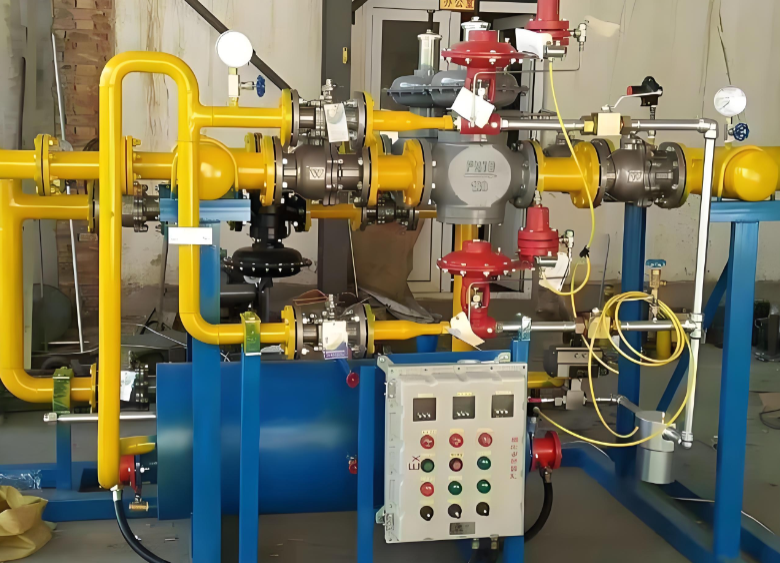
In summary, engineering a pressure regulating skid for high-sulfur natural gas is a complex, multi-disciplinary challenge that demands a proactive, defense-in-depth approach. Success hinges on the synergistic combination of three pillars: a precise understanding of the process conditions, the strategic selection and manufacturing of resistant materials, and the intelligent application of supplementary protection technologies. This holistic strategy, moving beyond simple component selection to integrated system design, is what ensures operational safety, reliability, and an extended service life in the face of one of the oil and gas industry's most punishing environments.