



Comparing Different Types of Gas Pressure Regulators
2026-03-10 15:35Comparing Different Types of Gas Pressure Regulators
The Workhorse: Direct-Operated Pressure Regulators for General Service
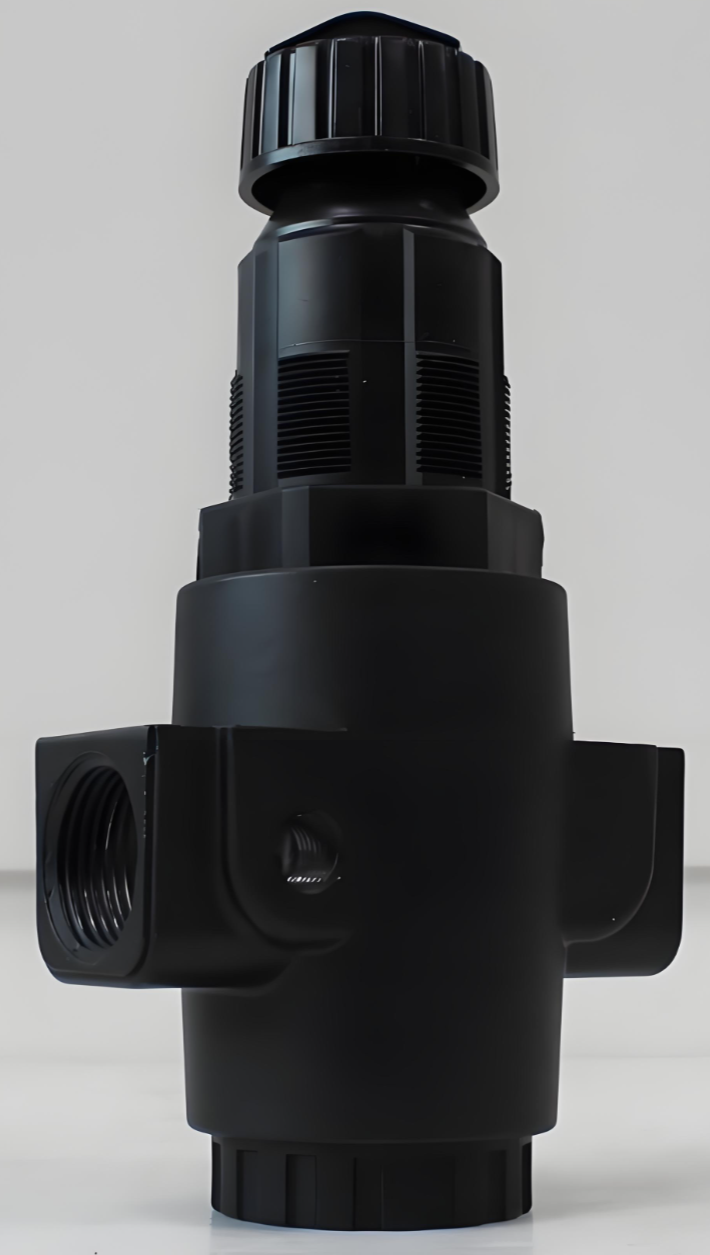
Direct-operated regulators, also known as self-contained or self-operated regulators, are the most fundamental and widely used type. Their operation relies on a simple, robust mechanical balance of forces. The key components are a spring (which applies the set force), a diaphragm or piston (which senses downstream pressure), and a valve plug/seat assembly. As downstream pressure drops, the spring force pushes the diaphragm to open the valve, allowing more flow. As downstream pressure rises, it pushes the diaphragm to close the valve. This direct, feedback-driven mechanism makes them reliable, cost-effective, and suitable for a vast range of general applications. They are ideal for non-critical services with moderate flow and accuracy requirements, such as providing utility gas to plant heaters, pilot lights, or acting as a monitor/relief valve in a system. However, their performance is intrinsically linked to inlet pressure and flow rate; a significant "droop" (a drop in outlet pressure as flow increases) is common. Therefore, in a skid designed by Shenqi, direct-operated regulators are often perfectly suited for upstream backup or monitoring roles, or in standalone applications where extreme precision is not the primary driver. Their simplicity translates to high reliability and low maintenance.
Precision Control: Pilot-Operated Regulators for High Performance
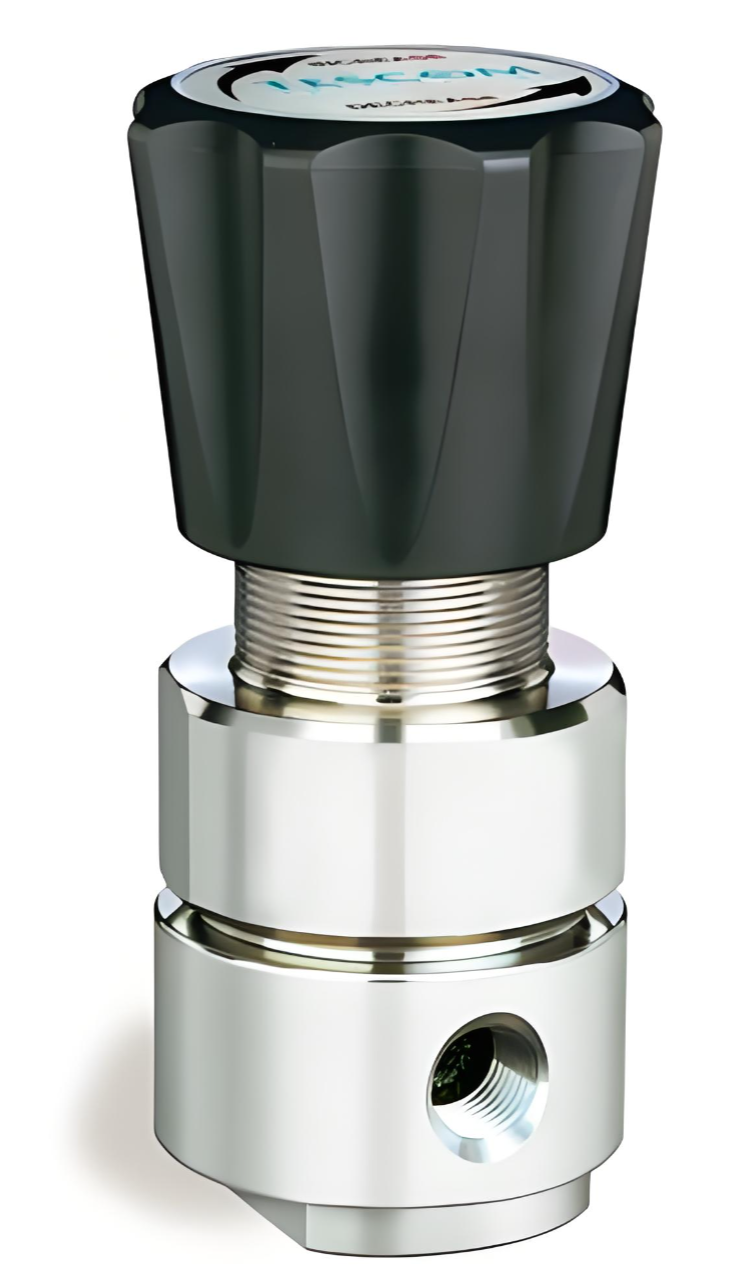
For applications demanding high accuracy, large flow capacity, and minimal droop, pilot-operated regulators are the preferred solution, forming the core of most critical industrial skids. This design employs a two-stage system: a small, sensitive pilot regulator and a large main valve. The pilot senses the downstream pressure and uses a small flow of gas to control the pressure in a chamber above the main valve diaphragm, which in turn precisely positions the main valve plug. This amplified control action decouples the regulator's performance from inlet pressure fluctuations and flow changes, providing exceptional stability. Pilot-operated regulators excel in demanding roles such as the primary pressure control for city gate stations, industrial process lines, or within high-flow LNG/CNG skids. A key advantage is their ability to handle very high inlet-to-outlet pressure ratios effectively. In Shenqi's sophisticated pressure reduction skids, a pilot-operated main regulator is often paired with a direct-operated monitor regulator to create a highly reliable "active-monitor" safety configuration. While more complex and costly, their superior performance justifies the investment for any application where pressure stability is critical to safety, efficiency, or product quality.
The Specialists: Dome-Loaded and Specialty Regulators
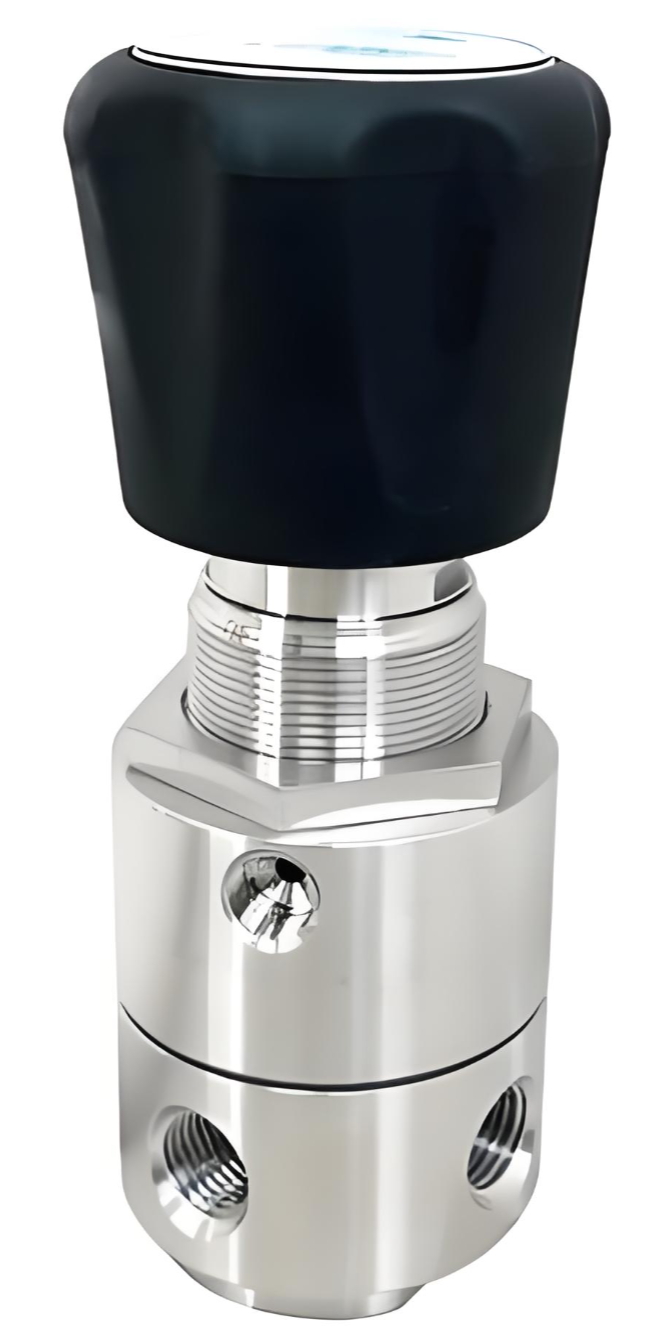
Beyond the two main categories, specialized regulator designs address unique challenges. Dome-loaded regulators replace the mechanical spring with a regulated gas pressure (from a pilot or external supply) applied to the top of a diaphragm. This allows for remote or electronic setpoint control and is invaluable in applications requiring frequent or automated pressure adjustments, such as in compressor aftercooler controls or complex process skids. Another key specialist is the monitor or slam-shut regulator, a safety device that acts as an independent, fail-safe backup. It remains fully open under normal conditions but will rapidly and completely shut off the flow if the downstream pressure exceeds a safe limit, providing critical overpressure protection. Other variants include back-pressure regulators (which control upstream pressure), vaporizing regulators (for cryogenic liquids like LNG), and high-pressure or ultra-high purity regulators. For a system integrator like Shenqi Machinery, the selection process involves matching the regulator's inherent characteristics—its accuracy, flow capacity, pressure class, materials of construction (e.g., stainless steel for corrosion resistance), and response time—to the specific demands of the gas, process, and safety philosophy. The optimal skid design often incorporates a combination of these types, each performing a dedicated role within the integrated system.
Choosing the correct type of gas pressure regulator is a foundational decision that dictates the performance, safety, and cost-effectiveness of the entire pressure control system. There is no one-size-fits-all solution. Direct-operated regulators offer reliable simplicity for general duties, pilot-operated regulators deliver the precision required for critical industrial applications, and specialized types like dome-loaded or monitor valves provide tailored control and safety functions. The expertise of an experienced integrator like Shanghai Shenqi Machinery lies in meticulously analyzing the application parameters—pressure ranges, flow rates, gas composition, accuracy needs, and safety standards—to architect a skid-mounted system that harmonizes the most appropriate regulator technologies. This engineering-led selection ensures a solution that is not only functionally robust but also optimized for long-term reliability and value.