


Corrosion resistance and application fields of stainless steel pressure vessels
2026-01-28 17:33Corrosion resistance and application fields of stainless steel pressure vessels
The Science of Corrosion Resistance in Stainless Steel
The exceptional corrosion resistance of stainless steel pressure vessels stems from a fundamental metallurgical principle: the formation of a passive, chromium-rich oxide layer on the surface. When a minimum of 10.5% chromium is present in the steel alloy, it reacts with oxygen to create an incredibly thin, inert, and self-repairing film. This invisible barrier effectively isolates the underlying metal from the corrosive environment, preventing rust and degradation. The specific grade of stainless steel selected—such as 304, 316, or 316L (which offers enhanced resistance to chloride pitting due to its molybdenum content)—determines the level of protection. For highly aggressive media, duplex stainless steels or other high-alloy variants may be employed. The integrity of this passive layer is paramount and is safeguarded through meticulous fabrication practices at Shenqi, including proper welding techniques and post-weld cleaning (e.g., pickling and passivation) to restore the protective layer in heat-affected zones. This scientific understanding of material science forms the foundation for building vessels that can withstand harsh operational lifetimes.
Key Application Fields Leveraging Corrosion Resistance
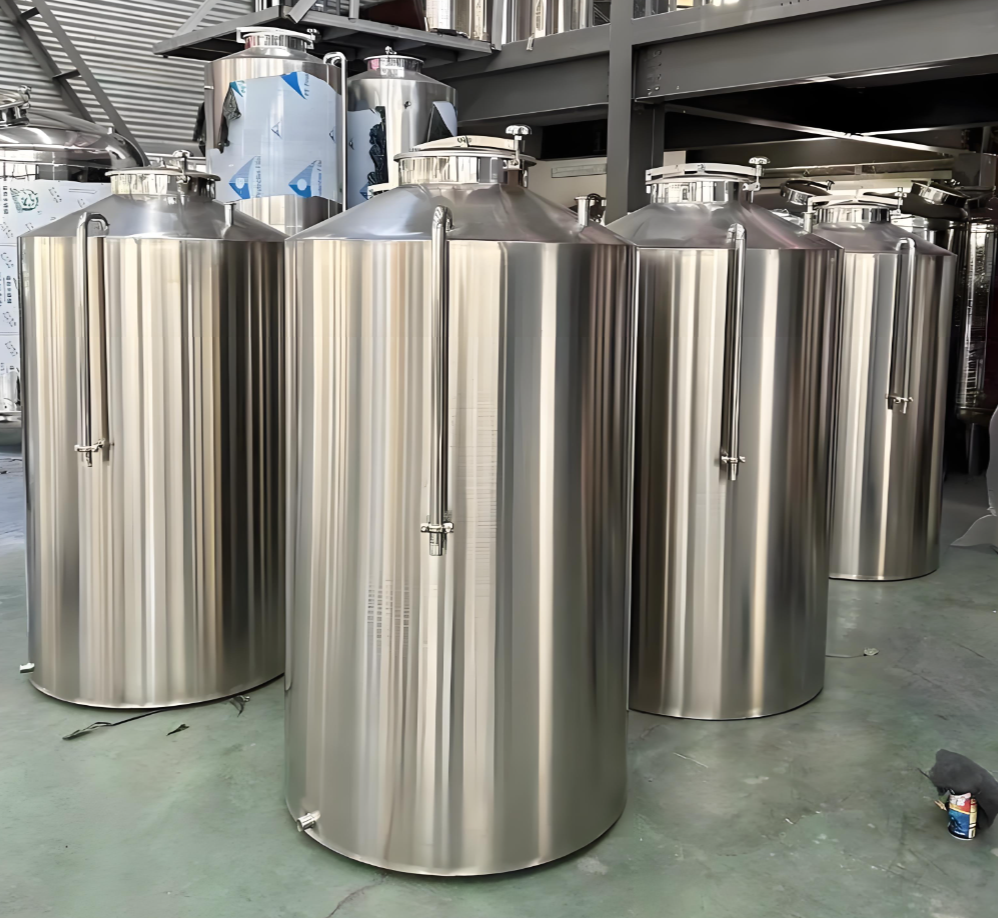
The robust corrosion resistance of stainless steel pressure vessels makes them indispensable across a wide spectrum of demanding industries. In the chemical and petrochemical industry, they are used as reactors, storage tanks, and separators for handling acids, alkalis, and solvents. The oil and gas sector relies on them for upstream, midstream, and downstream processes, including scrubbers, knockout drums, and vessels for wet gas or corrosive crude. In pharmaceutical and food & beverage production, the non-reactive surface of stainless steel (particularly grades 316L and 316Ti) ensures product purity, prevents contamination, and allows for rigorous sanitization (CIP/SIP), meeting stringent FDA and GMP standards. Furthermore, they are critical in water treatment plants for RO systems and pressure filters, and in LNG and cryogenic applications where certain stainless steels retain toughness at extremely low temperatures. This versatility underscores their role as a cornerstone of modern industrial infrastructure.
Material Selection and Fabrication for Long-Term Performance
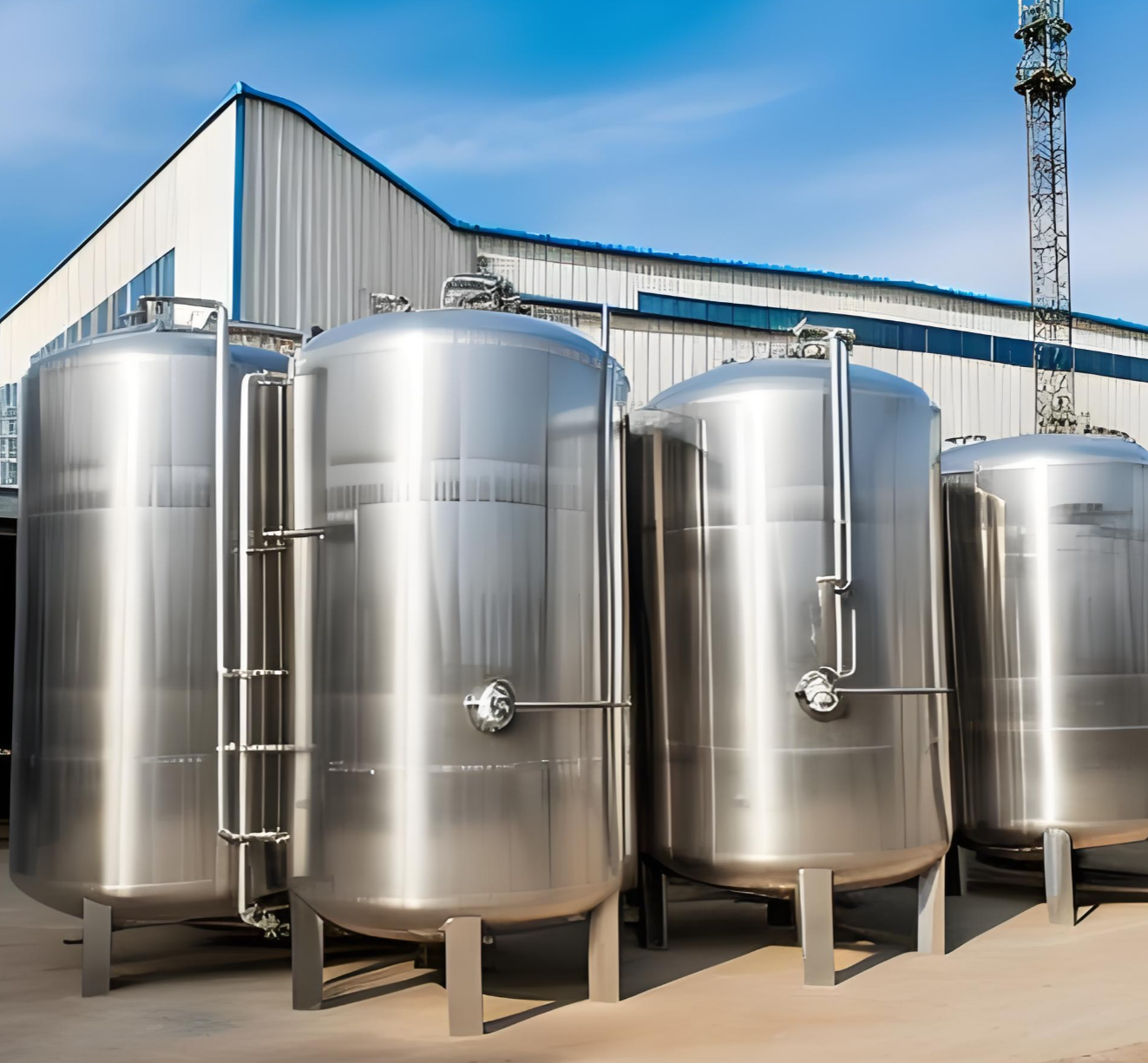
Selecting the appropriate stainless-steel grade is a critical engineering decision based on the specific corrosive agents, concentration, temperature, and pressure. For instance, 304 stainless is suitable for mild environments, while 316/L is the go-to choice for resisting chlorides and acids. The fabrication process itself is crucial to maintaining inherent corrosion resistance. At Shanghai Shenqi Machinery, this involves precision cutting to avoid contamination, advanced welding by certified welders using correct filler metals to prevent sensitization, and thorough post-weld treatment. Techniques like pickling and passivation are employed to remove iron contamination and rejuvenate the protective chromium oxide layer. Finally, non-destructive testing (NDT) methods, such as dye penetrant and radiographic testing, ensure the integrity of every weld. This comprehensive approach to quality control guarantees that the vessel delivers on its promise of long-term, reliable, and safe operation in its intended application.
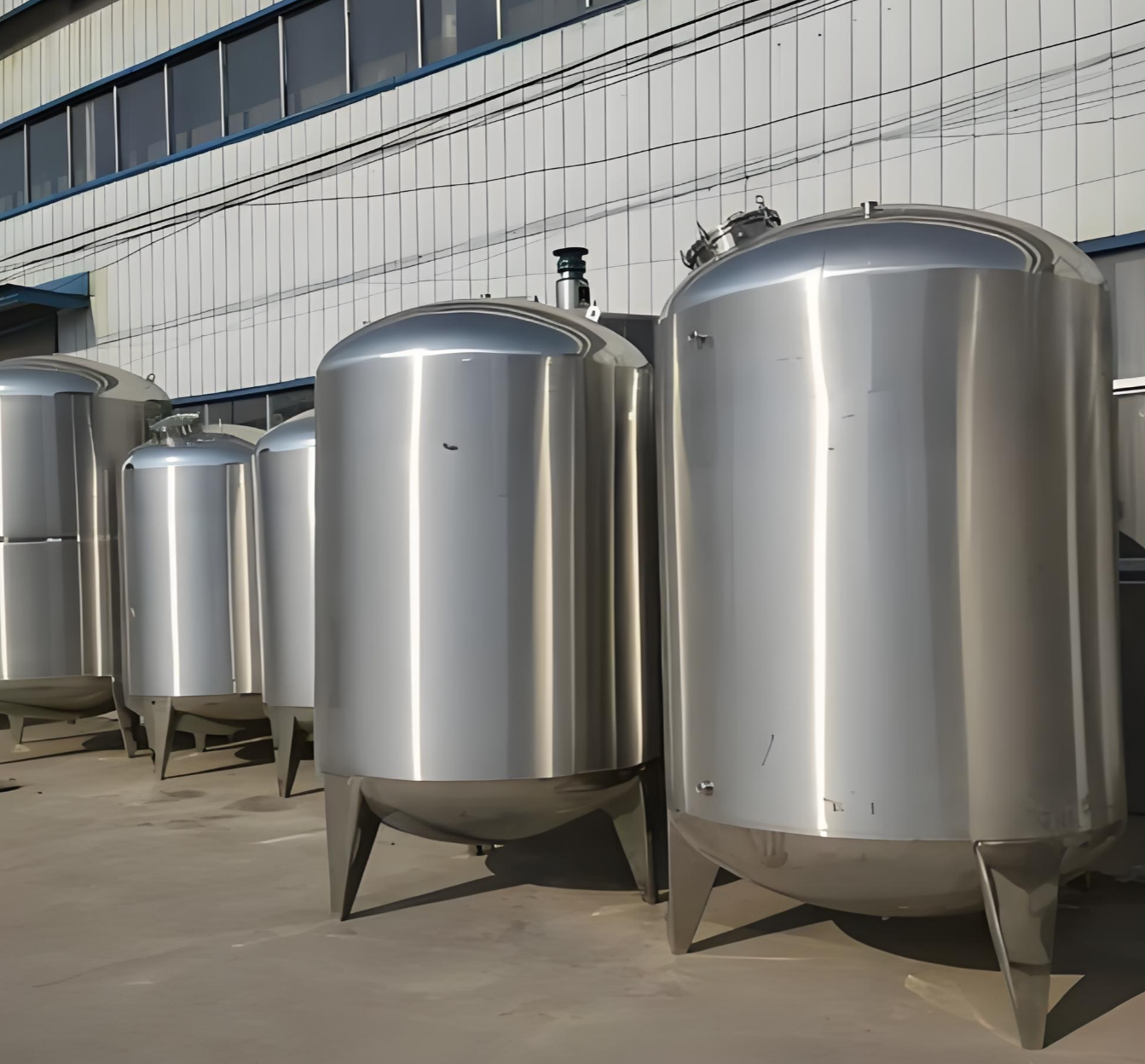
In conclusion, the corrosion resistance of stainless steel pressure vessels is not merely a material property but a system achieved through scientific material selection, precise engineering, and impeccable fabrication. This synergy makes them a vital, durable, and cost-effective solution for countless critical applications across global industries.