



Fueling the Transition: How LNG Skid Modules Are Accelerating Global Clean Energy Access
2025-12-23 12:05Fueling the Transition: How LNG Skid Modules Are Accelerating Global Clean Energy Access
1. Bridging the Energy Gap: Rapid Deployment for Strategic Supply
The global pivot to cleaner energy sources has elevated Liquefied Natural Gas (LNG) as a critical transition fuel, prized for its lower carbon intensity compared to coal and oil. However, building traditional, large-scale LNG import terminals involves massive capital expenditure (CAPEX), lengthy permitting, and a decade-long construction timeline. This is where modular LNG skid-mounted units are revolutionizing the market. These pre-engineered, factory-fabricated modules can be rapidly deployed to create scalable LNG receiving, storage, and regasification facilities. From peak-shaving plants that ensure grid stability during high demand to satellite stations supplying gas to off-grid industries and bunkering hubs for maritime fuel, skid modules deliver strategic energy supply within months, not years. They enable nations and companies to swiftly respond to energy deficits, displace diesel, and integrate gas into the energy mix without the financial and temporal burden of megaprojects, thus acting as agile bridges to a lower-carbon future.
2. The Modular Advantage: Driving Down Costs and Enhancing Flexibility
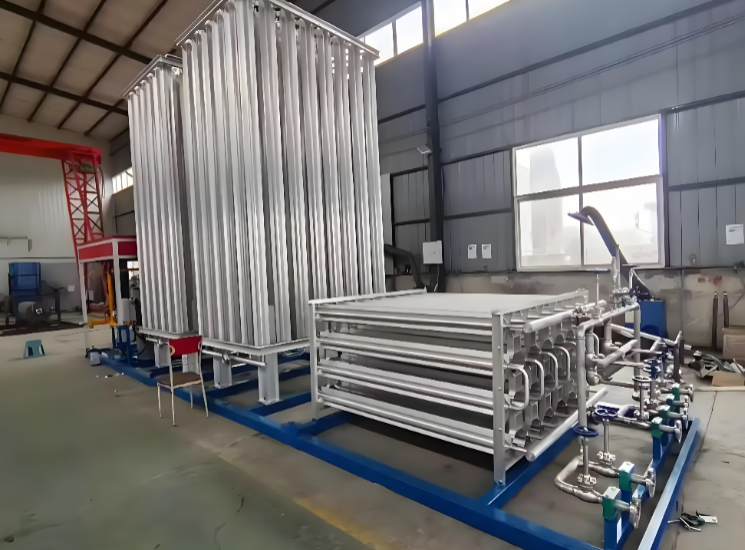
The core value proposition of LNG skid modules lies in their inherent economic and operational advantages. By shifting up to 90% of construction from a challenging field environment to a controlled factory setting, they ensure superior quality control, reduce weather-related delays, and enhance worker safety. This modular construction approach leads to predictable costs, shorter project schedules, and lower financial risk. Furthermore, their scalable design is transformative. Initial demand can be met with a single train of regasification modules, with additional units seamlessly added as consumption grows—a stark contrast to the "all-or-nothing" approach of monolithic terminals. This modularity also enables relocation and redeployment. A skid-based terminal can be disassembled and moved to a new strategic location in response to shifting market demands or resource depletion, protecting the owner's capital investment and maximizing asset utilization over its lifetime.
3. Enabling New Markets and Decarbonization Pathways
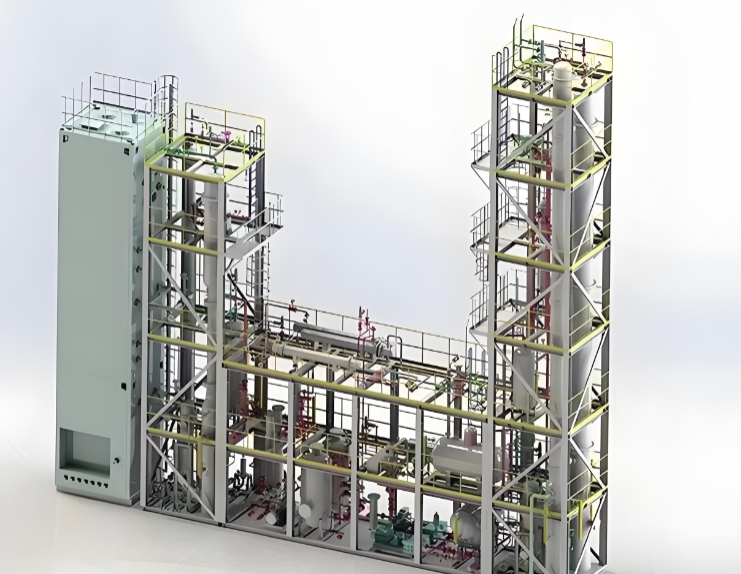
Beyond providing immediate energy access, LNG skid modules are pivotal in unlocking new markets and enabling emerging decarbonization technologies. They are the cornerstone for developing small-scale LNG value chains, making natural gas accessible to remote industrial clusters, mining operations, and island communities that lack pipeline infrastructure. Moreover, these modules are the perfect platform for integrating renewable energy. For instance, they can be paired with solar or wind power to produce renewable LNG (bio-LNG) through biogas liquefaction or support power-to-X projects. As a fuel, LNG serves as a cleaner alternative for heavy transport and shipping, and skid-based LNG refueling stations are critical infrastructure for this transition. By offering a lower-emission, modular solution, LNG skids are not just meeting today's energy demand but are actively shaping a flexible, diversified, and progressively cleaner energy ecosystem.
Summary
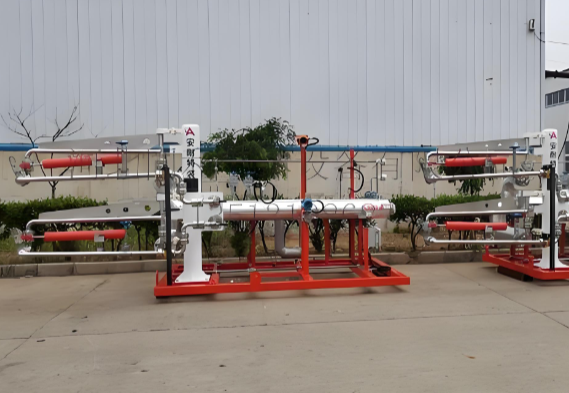
LNG skid-mounted modules are far more than mere equipment; they are catalysts for energy transition. By offering speed, scalability, and capital efficiency, they are democratizing access to cleaner natural gas, displacing higher-emission fuels, and providing the foundational infrastructure needed to integrate renewable gases. In a world demanding both energy security and decarbonization, their modular flexibility positions them as indispensable tools for building a resilient and sustainable global energy network.