



How a Burner Pressure Regulating Skid Optimizes Combustion Efficiency
2026-01-20 13:03How a Burner Pressure Regulating Skid Optimizes Combustion Efficiency
Ensuring Precise Fuel-to-Air Ratio through Stable Pressure Delivery
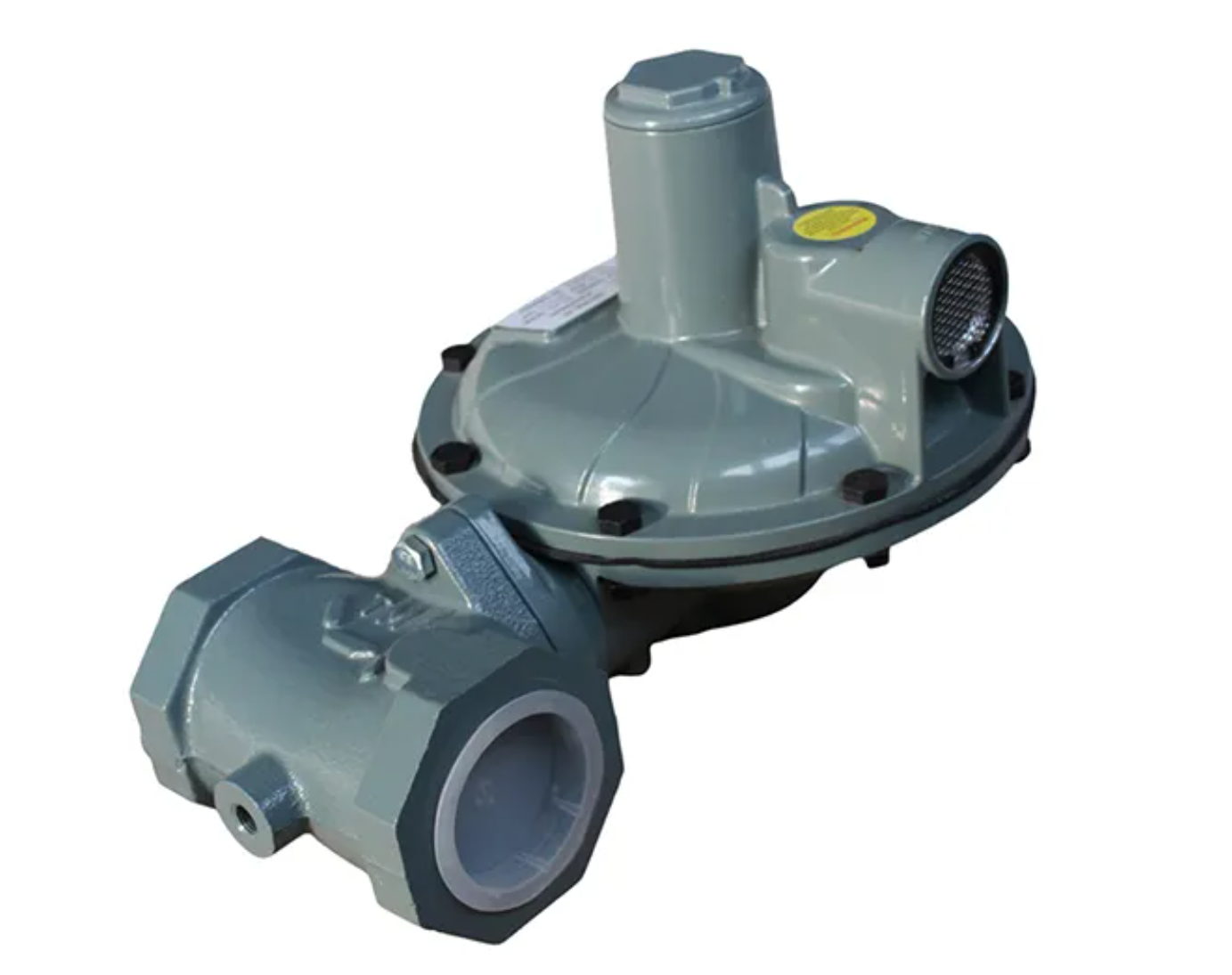
The fundamental principle of efficient combustion lies in maintaining a perfect, consistent stoichiometric ratio between fuel and air. A Burner Pressure Regulating Skid acts as the guardian of this balance by delivering fuel gas at an exceptionally stable and precise pressure to the burners. Fluctuations in the incoming fuel supply pressure are a primary culprit of combustion inefficiency. If pressure drops, the fuel flow decreases, potentially creating a fuel-lean condition where excess air cools the flame, reducing heat transfer and increasing heat loss through the stack. Conversely, a pressure surge causes a fuel-rich condition, where unburned fuel passes through the furnace as waste, representing a direct financial loss and elevating harmful emissions like carbon monoxide (CO). The skid's precision regulators eliminate these fluctuations, ensuring the burner receives exactly the fuel pressure it was designed for. This stability allows the combustion air controls to maintain the optimal air mixture, resulting in a clean, hot, and highly efficient flame that maximizes heat release into the process.
Protecting Burner Integrity and Enabling Advanced Control Strategies
Beyond basic regulation, a sophisticated skid incorporates protective features that safeguard the burner's mechanical components, which are critical for maintaining long-term efficiency. Key among these are the slam-shut valves, which act as an emergency shutdown device. In the event of a dangerous over-pressure or under-pressure condition—indicative of a supply failure or regulator malfunction—the slam-shut valve instantaneously cuts off the fuel supply, preventing damage to the delicate burner nozzles and internal parts. This protection ensures that the burner's precise fuel metering characteristics remain uncompromised over time. Furthermore, modern skids are designed for integration with advanced process control systems. They can be equipped with electronic instrumentation that provides real-time pressure data, enabling remote monitoring and automated adjustments. This allows the skid to dynamically respond to changes in process heat demand, fine-tuning fuel pressure to match the load, thereby optimizing efficiency across a wide range of operating conditions, not just at a single design point.

Reducing Emissions and Fuel Consumption for Operational Excellence
The direct outcome of optimized combustion through precise pressure regulation is a significant improvement in operational excellence, measured by both environmental compliance and cost savings. A stable, correctly proportioned flame minimizes the production of pollutants. By preventing fuel-rich conditions, the skid drastically reduces unburned hydrocarbon (UHC) and carbon monoxide (CO) emissions. Simultaneously, the avoidance of overly lean conditions suppresses the formation of thermal Nitrogen Oxides (NOx), which are created when excess air leads to excessively high flame temperatures. From an economic standpoint, maximizing combustion efficiency directly translates to minimizing fuel consumption. Every unit of fuel is utilized to its fullest potential for heat generation, with minimal waste. This leads to substantial reductions in energy costs and a lower carbon footprint. For industrial operators, investing in a high-quality burner skid from a specialist like Shanghai Shenqi Machinery is not just a technical upgrade; it is a strategic move towards greener, more profitable operations.
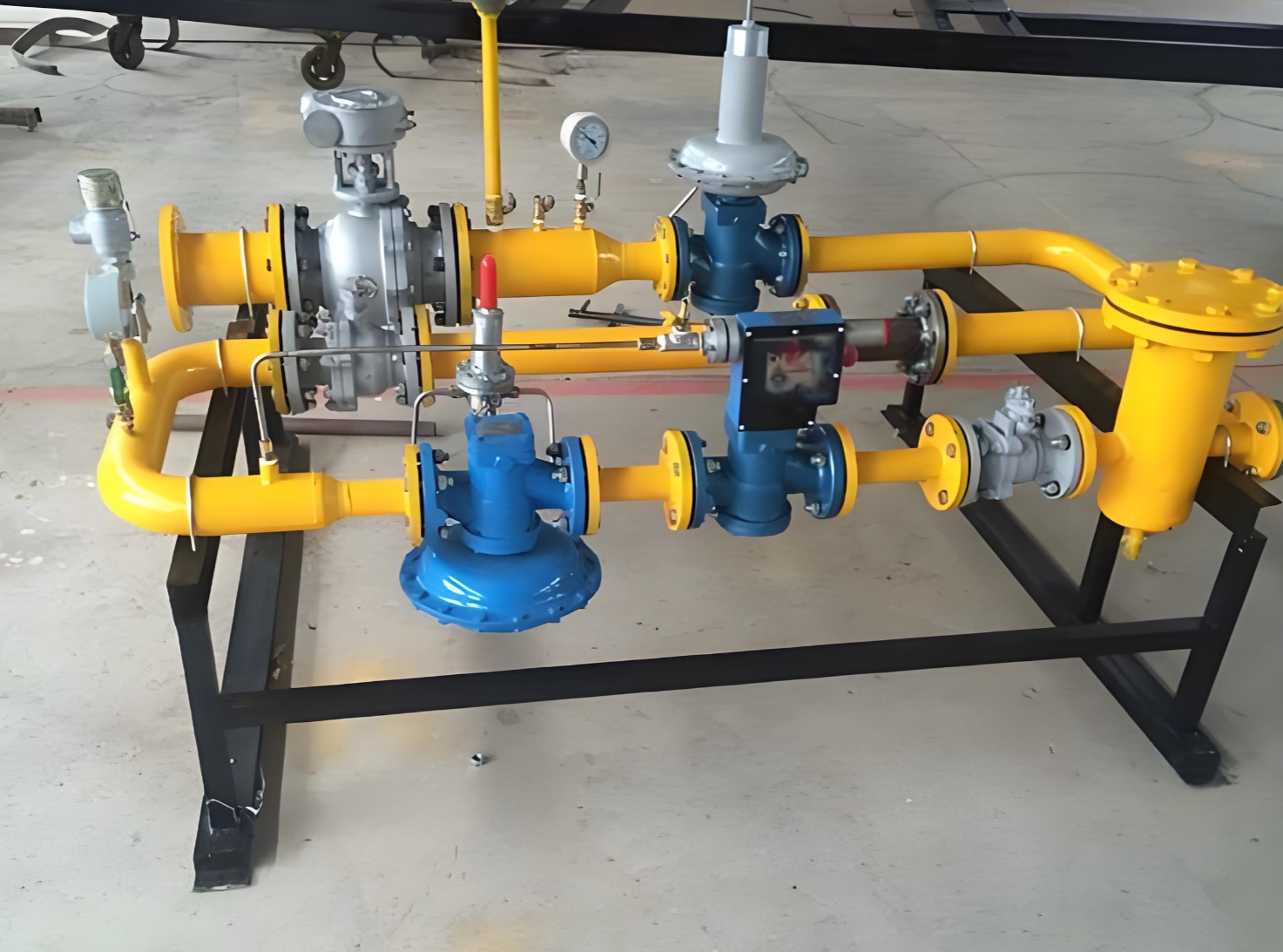
In essence, a Burner Pressure Regulating Skid is a master control unit for combustion efficiency. It goes far beyond simple pressure reduction, serving as an integrated system that guarantees fuel stability, protects critical assets, and enables precise control. By ensuring the burner operates consistently at its peak performance, the skid delivers undeniable value through reduced fuel costs, lower emissions, and enhanced operational safety, making it an indispensable component for any modern industrial heating, power generation, or processing application.