

Our Rigorous Quality Control Process for Every Valve and Fitting
2026-01-24 13:24Our Rigorous Quality Control Process for Every Valve and Fitting
Meticulous Material Verification and Dimensional Inspection
The foundation of quality is laid before any manufacturing begins, starting with a rigorous incoming material inspection. Every batch of raw materials—whether carbon steel, stainless steel, or specialty alloys—arrives with its own Material Test Certificate (MTC). Our quality control team cross-references these certificates against project specifications and international standards (e.g., ASTM, ASME) to verify chemical composition and grade. For critical applications, we perform additional spectroscopic analysis to ensure absolute material conformity. Following material acceptance, the precision of each component is scrutinized. Using calibrated instruments like micrometers, calipers, and Coordinate Measuring Machines (CMM), technicians conduct a thorough dimensional inspection. This process verifies that every valve body, bonnet, stem, and every fitting's thread pitch, diameter, and wall thickness conforms precisely to the design drawings. This uncompromising approach at the initial stage ensures that only certified, dimensionally accurate materials proceed to fabrication, forming the bedrock of a reliable and leak-free final product.

Advanced Non-Destructive Testing and Functional Performance Validation
After machining and assembly, components undergo a critical phase of evaluation through advanced Non-Destructive Testing (NDT) methods. These techniques allow us to detect subsurface and surface flaws without compromising the integrity of the part. For critical welds on valve bodies and pipe fittings, we employ Radiographic Testing (RT) or Ultrasonic Testing (UT) to identify hidden imperfections like porosity, cracks, or lack of fusion. Surface examination methods such as Liquid Penetrant Testing (PT) or Magnetic Particle Testing (MT) are used to reveal fine surface cracks. Once structural integrity is confirmed, every valve is subjected to a functional performance test. This includes seat leakage tests under simulated operating conditions using media like water, air, or inert gas to verify tight shut-off. Pressure tests, including shell tests and seat tests, are conducted at pressures exceeding the standard Maximum Allowable Working Pressure (MAWP) to guarantee the valve's performance and safety under the most demanding service conditions.
Final Audit, Traceability, and Certification for Guaranteed Compliance
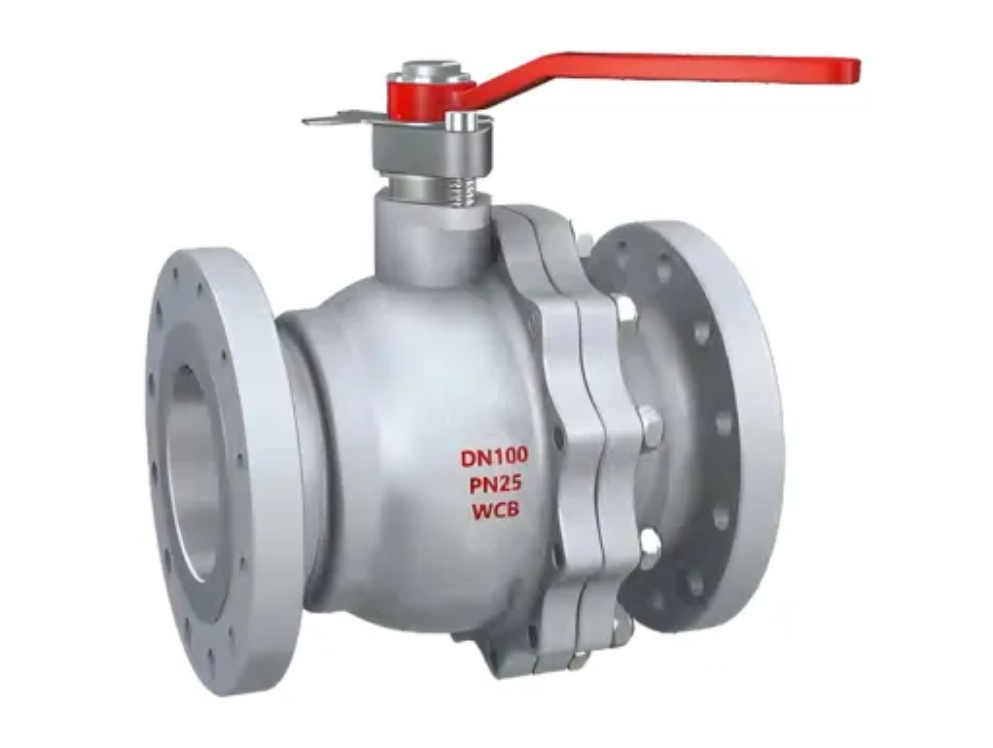
The final stage of our quality control process is a comprehensive audit that ensures traceability and formal compliance. Each approved valve and fitting is meticulously cleaned, preserved, and prepared for shipment. Crucially, a unique identification number is stamped or tagged on each component, creating a permanent link to its entire manufacturing history—including material certificates, heat numbers, welding reports, and NDT records. This full traceability provides our clients with complete confidence and simplifies maintenance throughout the asset's lifecycle. Before release, a final review is conducted by our Chief Inspector, who issues a formal Certificate of Conformance (CoC). This document attests that the product has passed all inspections and conforms to all specified requirements, including project specifications, and standards such as API, ANSI, and ISO. This end-to-end, documented quality assurance process is our commitment to delivering nothing less than excellence.

In summary, our quality control process for valves and fittings is an uncompromising, multi-stage system of checks and validations. From material receipt to final certification, every step is governed by strict protocols and advanced technology. This rigorous approach ensures that every component we deliver is not just a product, but a guarantee of safety, reliability, and long-term performance, embodying Shanghai Shenqi Machinery's commitment to superior quality in every skid-mounted system we build.