



How Small-Scale LNG Plants Reduce Gas Transportation Cost And Improve Fuel Supply Flexibility
2026-04-21 15:07Small-scale LNG plants are increasingly used where pipeline construction is difficult, gas demand is fragmented, or end users are located far from the main grid. Instead of relying only on long-distance pipelines, small-scale LNG can liquefy gas near the source and move it through tank trucks, ISO containers, or small marine transport. Recent industry and regional energy analyses describe small-scale LNG as a decentralized supply model that can serve remote industry, peak-shaving, transport fuel, and off-grid energy markets with more flexible logistics than conventional pipeline-only supply.
Lower Infrastructure Dependence
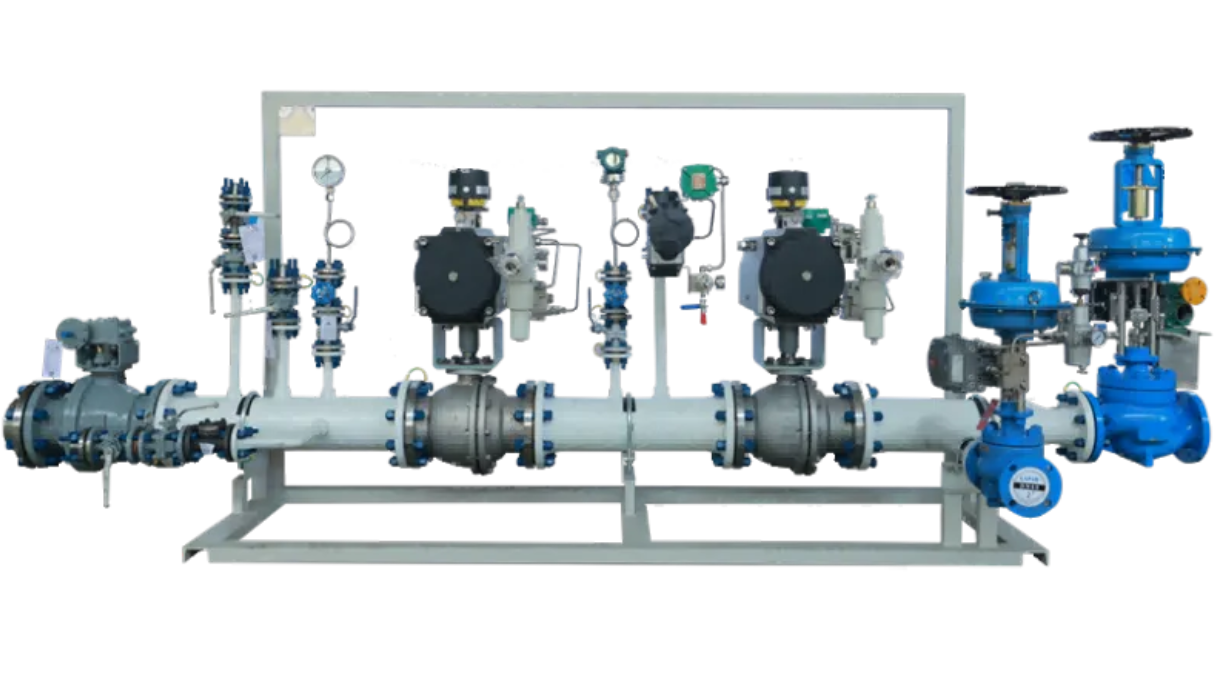
One major cost advantage comes from avoiding or delaying expensive pipeline investment. Small-scale LNG is often used as a “virtual pipeline,” allowing gas to be produced, liquefied, stored, and transported without waiting for full pipeline infrastructure. This can make gas supply commercially viable in remote or underserved areas where pipeline economics are weak.
Better Supply Flexibility
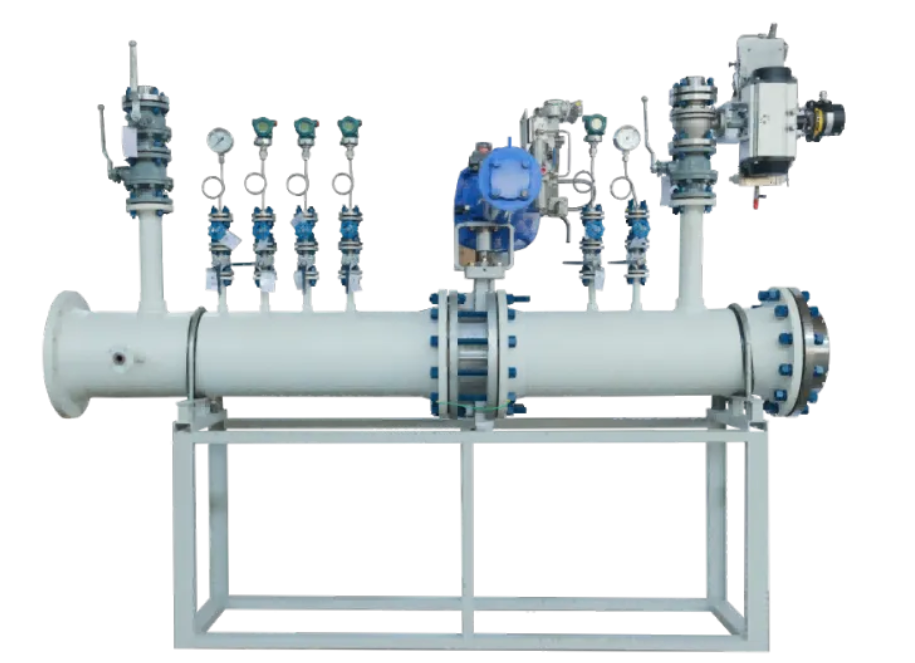
Small-scale LNG also improves flexibility because supply can be redirected based on seasonal demand, peak load, or regional shortages. APERC notes that LNG can support flexible delivery to power plants during peak periods, while GECF highlights decentralized logistics for industrial and off-grid use. For many buyers, this flexibility matters as much as transport cost.
Faster Market Entry
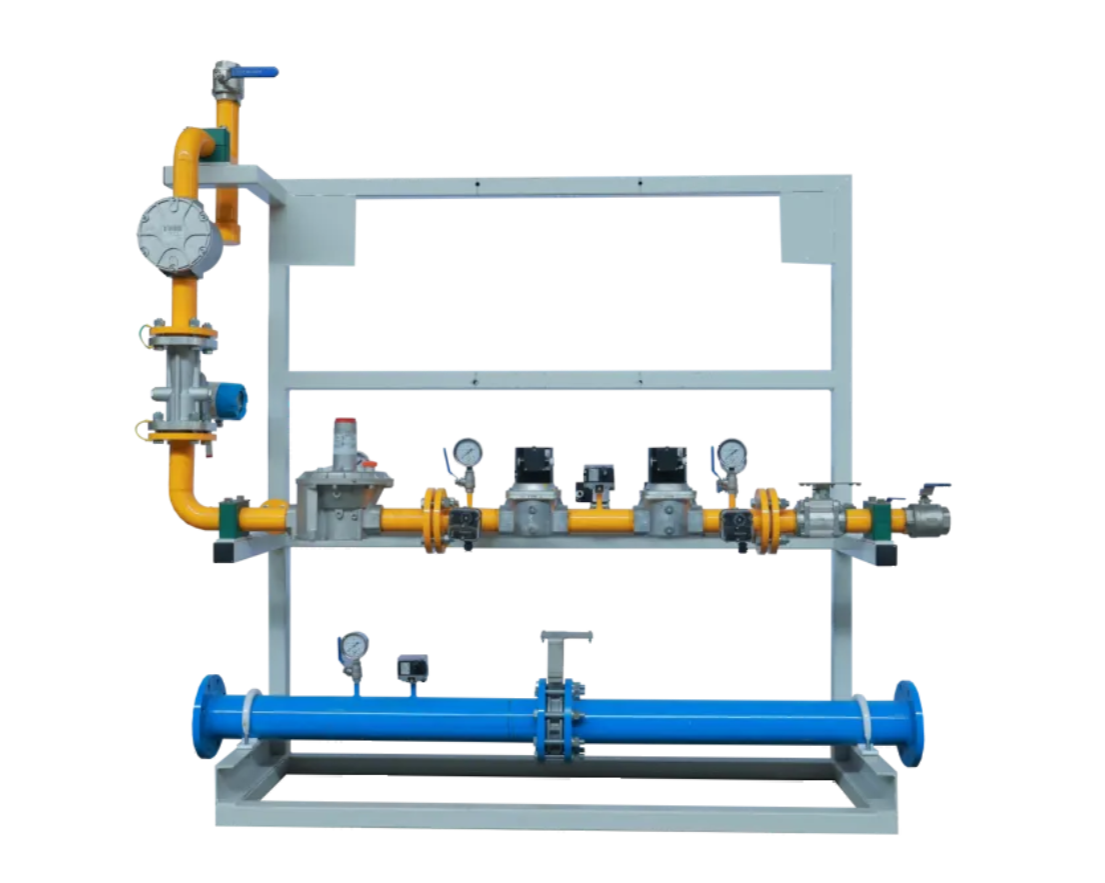
Compared with large conventional LNG infrastructure, small-scale solutions are often chosen because they can be deployed faster and with lower initial investment. That speed helps shorten time to revenue and reduce stranded-gas risk. For projects where timing matters, a slightly higher unit logistics cost may still be offset by faster commercialization and lower infrastructure exposure.
Small-scale LNG reduces transportation cost not simply by making shipping cheaper, but by changing the entire gas-delivery model. It lowers dependence on pipelines, creates more flexible regional supply, and helps projects enter the market faster. For distributed gas demand, that combination often matters more than headline transport cost alone.