


How To Reduce Condensate Problems In Steam Pressure Reducing Systems
2026-04-26 15:40Condensate problems in steam pressure reducing systems usually begin before the valve itself. TLV explains that plant steam contains moisture and continues to condense through the system, while steam-reducing guidance shows that wet steam, entrained condensate, and scale shorten valve life and weaken control performance. That is why separators, traps, and drainage layout matter so much around a pressure reducing station.
Dry The Steam Before Control
Steam traps can remove liquid flowing along the bottom of the pipe, but they do not remove all moisture entrained in the steam flow. That is why a separator and trap set ahead of the reducing section is often the best first step for reducing condensate-related instability.
Build Drainage Into The Main And Station
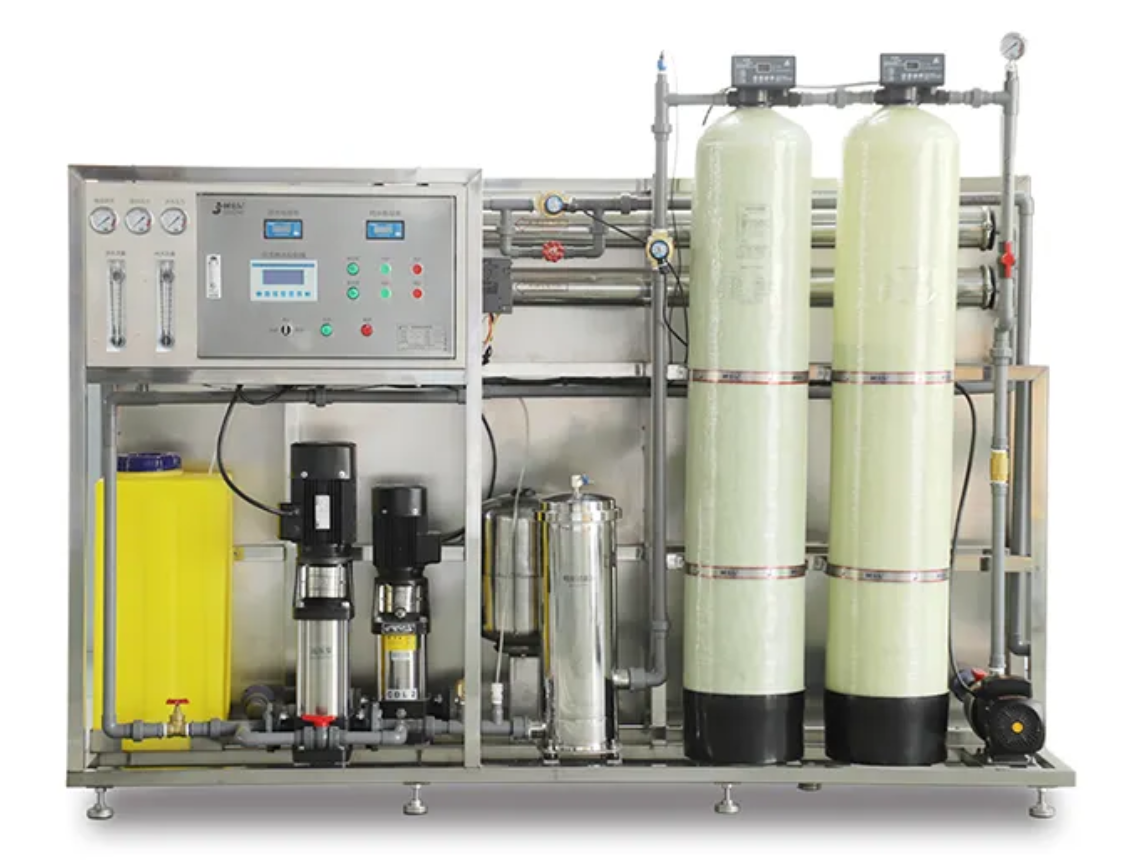
Even the best separator cannot compensate for bad piping drainage. Good steam-main drainage, low-point removal, and correct station layout keep water from collecting and being pushed into the reducing section during startup, shutdown, or sudden demand change.
Maintain The Trap And Protection Devices
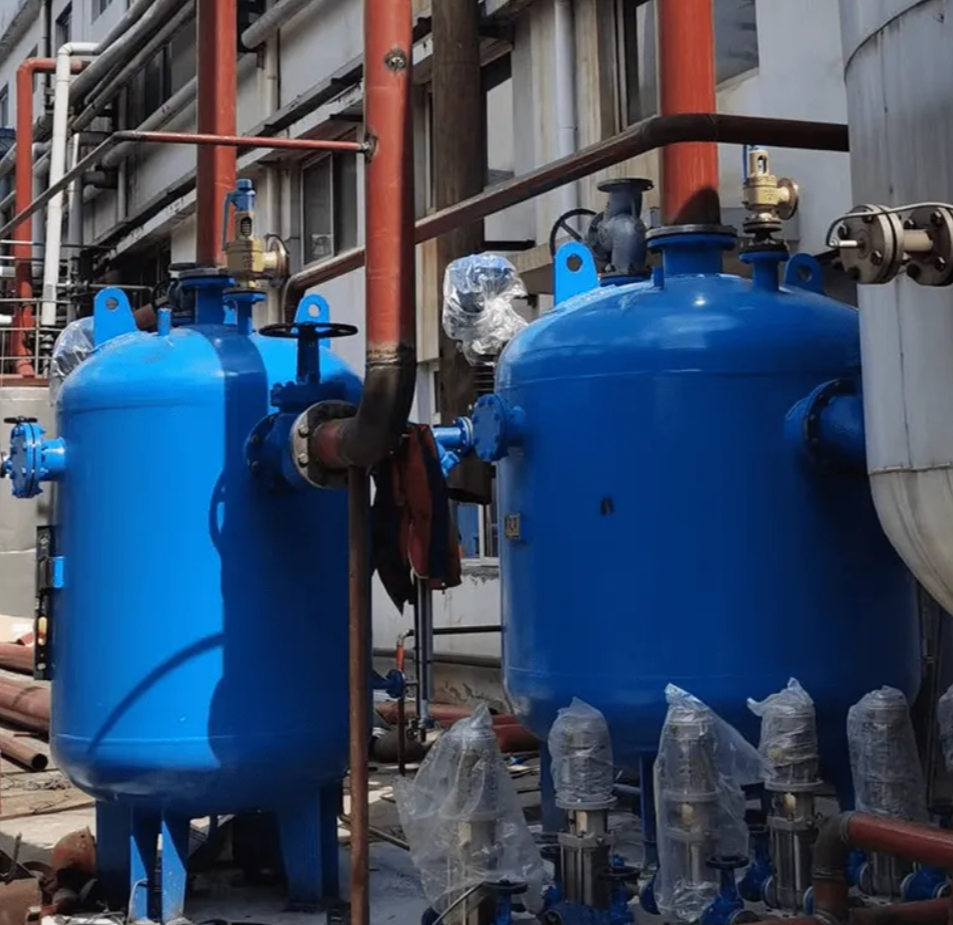
Condensate control is not finished at installation. Traps, strainers, and separator drains need routine attention. If they clog or lose capacity, water backs up into the line and pressure stability usually gets worse before obvious failures appear.
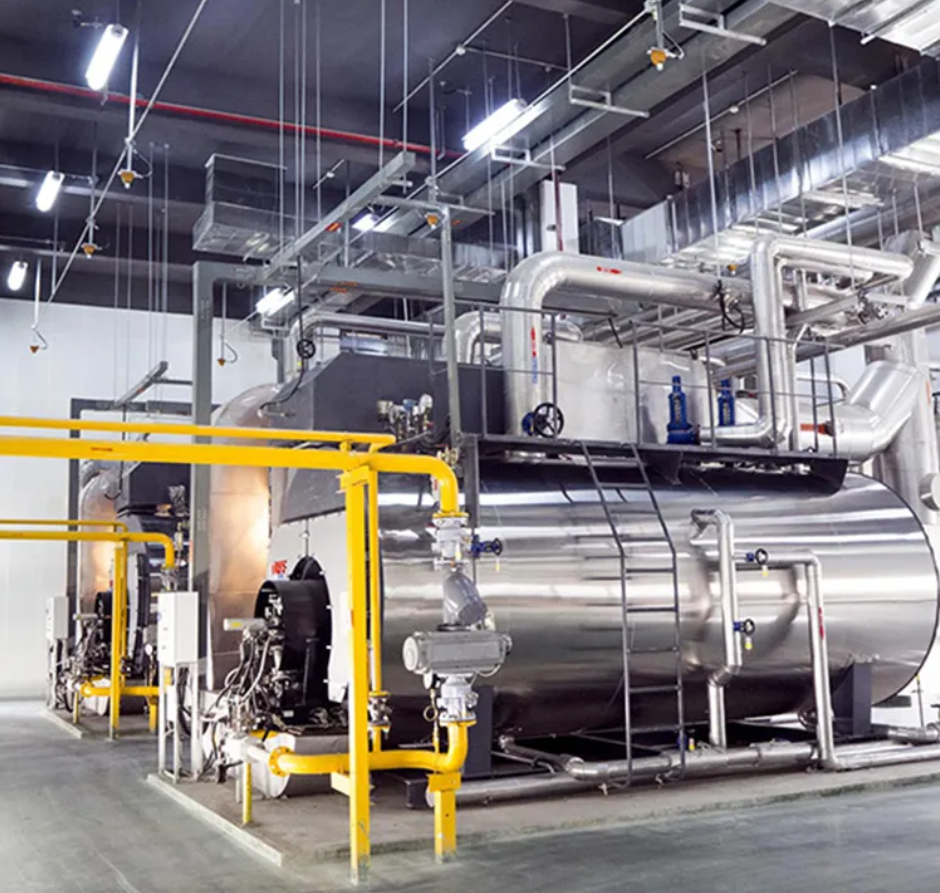
To reduce condensate problems, steam pressure reducing systems should focus on three things: dry the steam before control, drain the piping and station correctly, and keep traps and protection devices working properly. Most chronic condensate trouble is a system problem, not just a valve problem.