


Key Applications of LNG Skid Modules in Gas Distribution and Transportation
2026-03-18 15:49Key Applications of LNG Skid Modules in Gas Distribution and Transportation
Empowering Last-Mile Supply: Small-Scale LNG Distribution and Peak Shaving
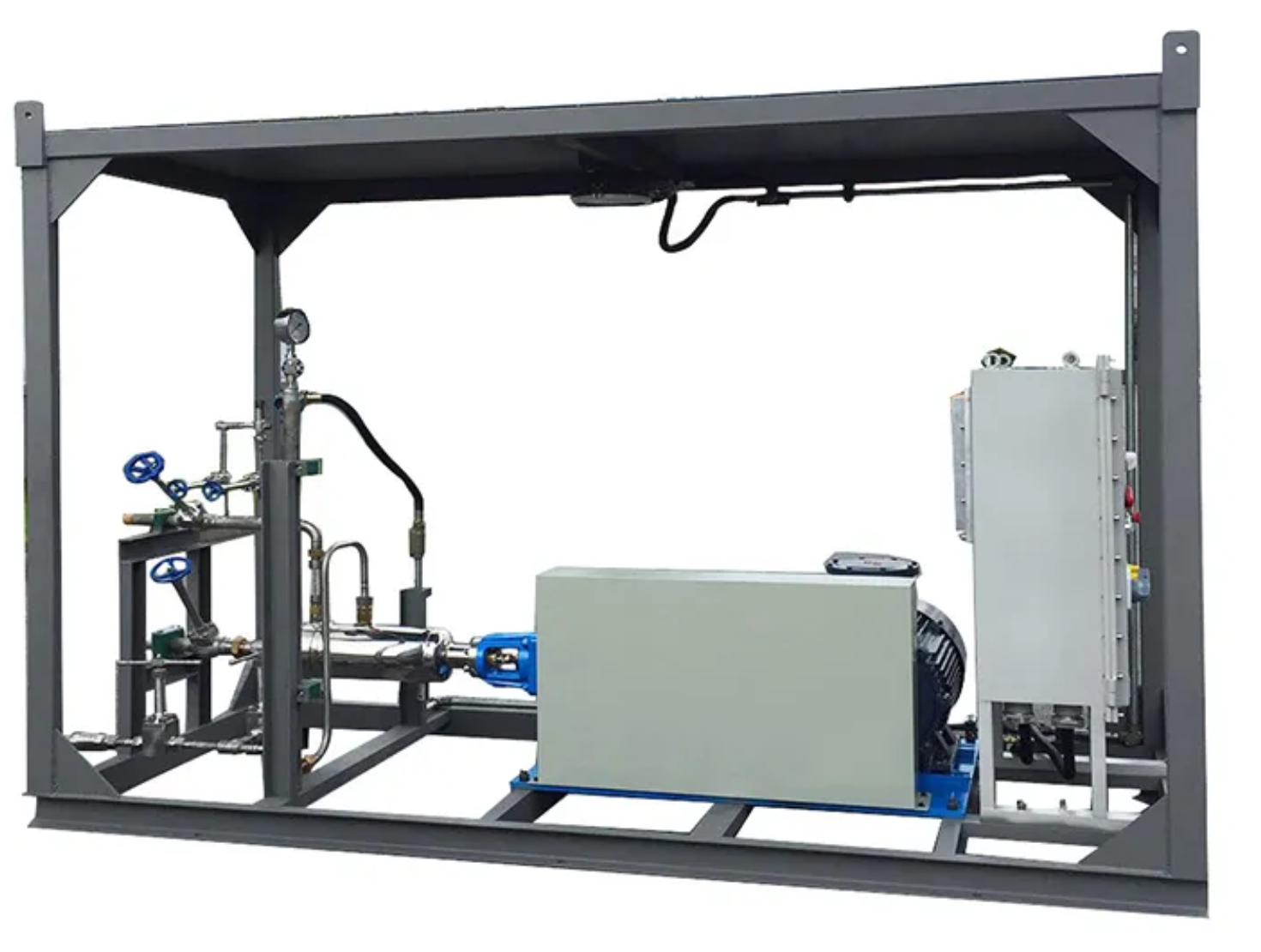
Skid-mounted LNG modules are revolutionizing the final stretch of the natural gas supply chain, particularly in scenarios where pipeline infrastructure is absent, impractical, or needs reinforcement. A primary application is in establishing Small-Scale LNG (SSLNG) distribution stations. These compact, pre-assembled stations can be rapidly deployed to deliver clean fuel to industrial parks, power plants, or as a primary gas source for towns beyond the pipeline grid. A typical SSLNG skid integrates core functions: a cryogenic storage tank, a vaporization system (often using ambient air or heated water), and a pressure regulation and metering skid to condition the gas for end-use. This modular approach, championed by specialized manufacturers, drastically reduces site preparation time, civil work, and capital expenditure compared to traditional stick-built stations. Another critical application is Peak Shaving. During periods of exceptionally high winter demand, pipeline pressure can drop, and supply may fall short. Strategically placed LNG peak-shaving skid modules act as a responsive buffer. They store liquefied gas during low-demand periods and vaporize it on-demand during peak hours, injecting supplemental gas directly into the local distribution network. This ensures grid stability, prevents supply interruptions, and provides a cost-effective alternative to building oversized pipelines or relying on expensive alternative fuels, making LNG accessible and reliable for end-users.
Decarbonizing Transport: LNG Bunkering and Vehicle Refueling Stations
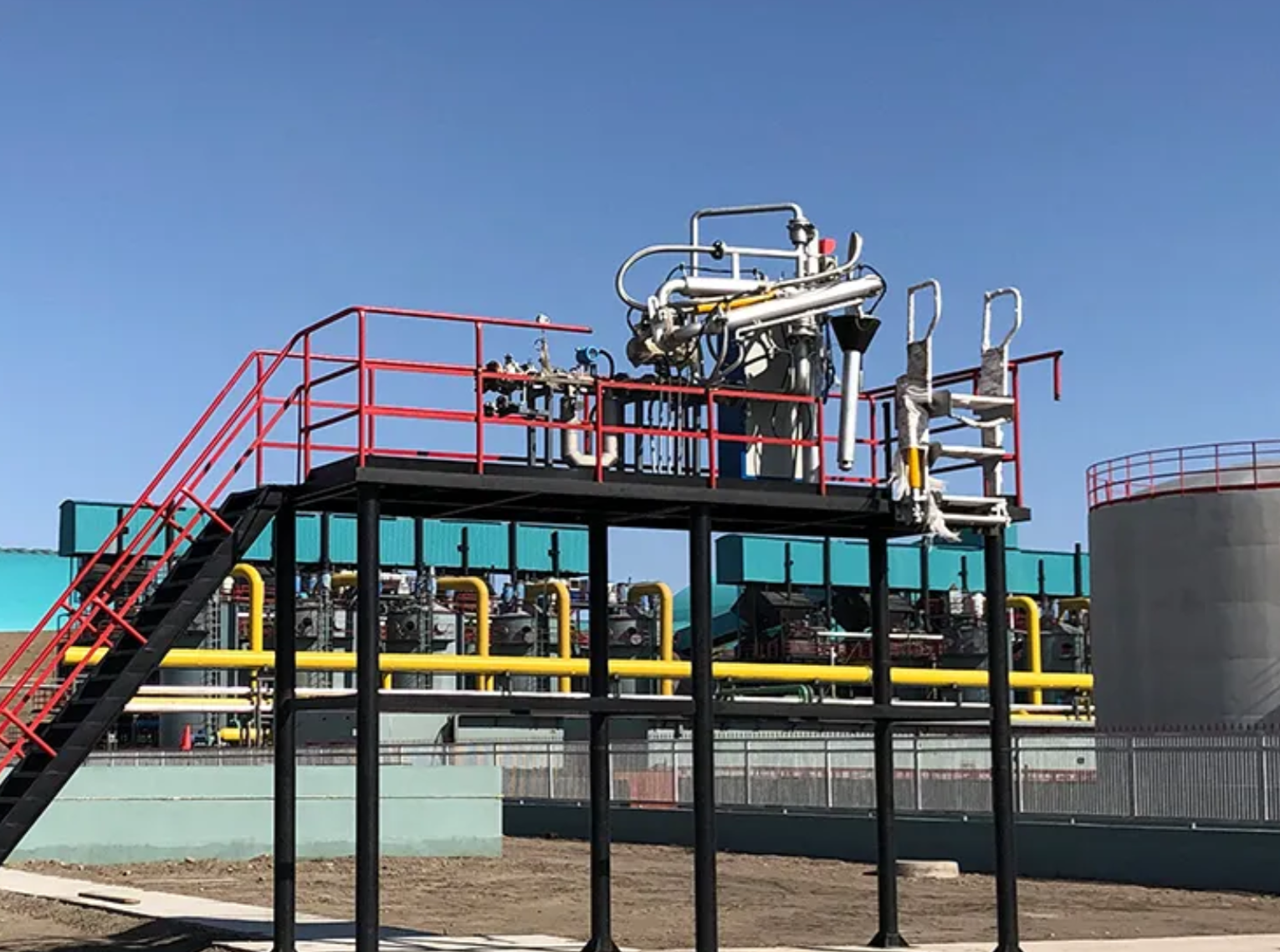
The transition to cleaner fuels in the transportation sector is a major driver for LNG skid modules. Their mobility and rapid deployment capability are perfectly suited for building the necessary refueling infrastructure. For the marine industry, LNG bunkering skids are a game-changer. These modules can be installed on dedicated barges, trucks, or at coastal terminals to provide LNG as a marine fuel to vessels. A complete bunkering skid integrates high-flow cryogenic pumps, mass flow meters for custody transfer, and sophisticated safety and control systems. This enables efficient, compliant, and safe transfer of LNG, supporting shipping’s compliance with stringent emission control area (ECA) regulations. On land, LNG vehicle refueling stations for heavy-duty trucks and buses are another key application. These stations are typically built using multiple interconnected skids: a storage and vaporization module, a high-pressure pump skid, and a dispenser skid. The modular design allows for flexible station sizing, easy capacity expansion, and simplified maintenance. For fleet operators looking to switch to cleaner-burning LNG, these prefabricated skid solutions offer a fast-track to establishing a refueling depot, bypassing the complexities and long lead times of traditional construction, and accelerating the adoption of natural gas as a transportation fuel.
Enhancing Infrastructure: Mobile Backup and Temporary Supply Solutions
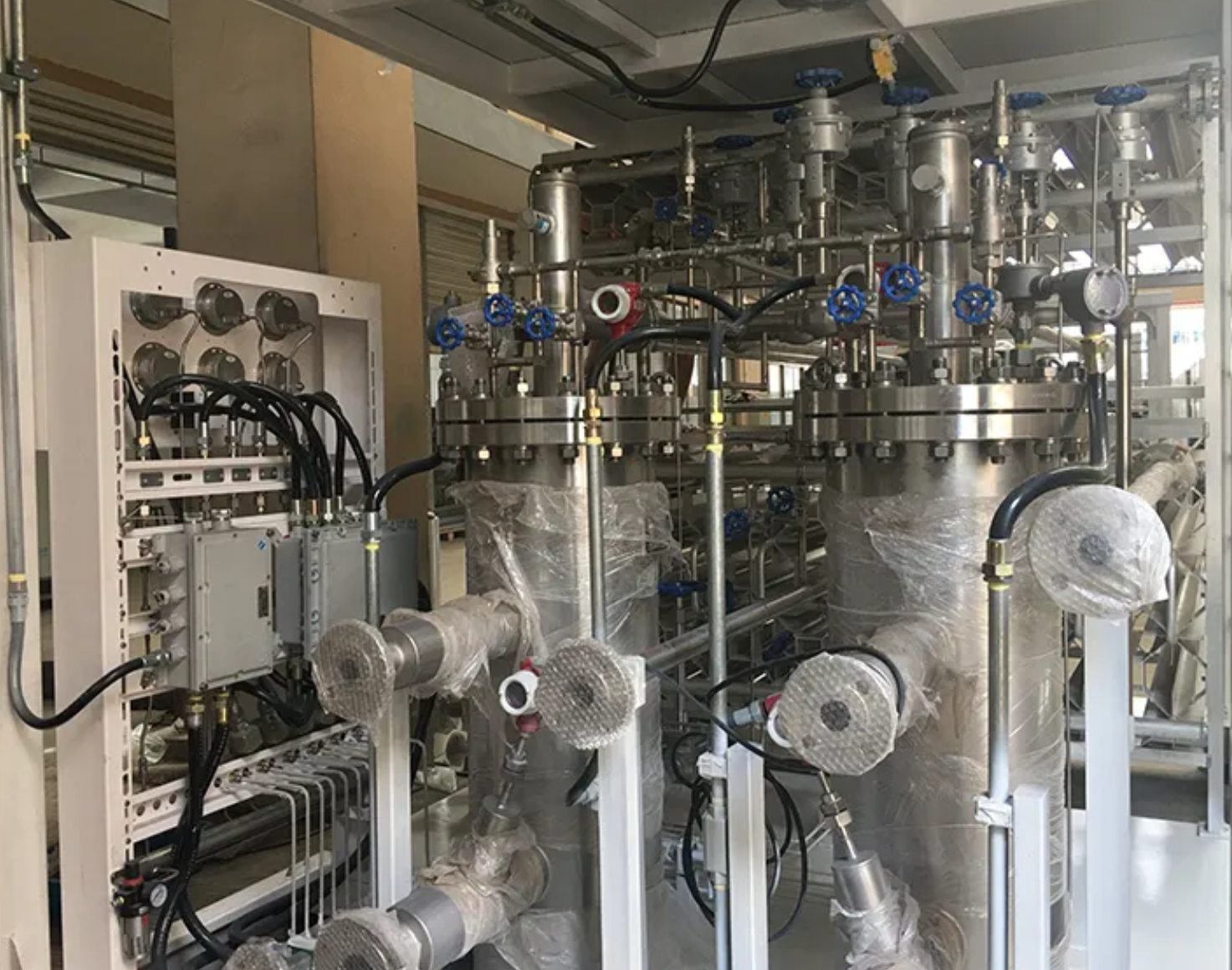
Beyond primary distribution and transportation fuel, LNG skid modules provide critical flexibility and resilience to gas infrastructure. A vital application is as a Mobile Emergency Backup Supply. Critical facilities like hospitals, data centers, or manufacturing plants that rely on natural gas for power or heat generation cannot afford interruptions. Truck-transportable LNG vaporization and pressure regulation skids can be rapidly connected to the facility’s pipeline inlet. In the event of a main supply disruption, the skid automatically vaporizes the stored LNG, providing an uninterrupted, reliable gas supply for days or weeks until the primary source is restored. Similarly, these modules serve as Temporary Supply Solutions during planned pipeline maintenance, new customer connection projects, or the construction phase of a permanent gas station. This "energy-on-wheels" capability eliminates the need for costly and disruptive infrastructure workarounds. The core advantage lies in the skid’s self-contained nature: it is a factory-tested, fully integrated system that arrives on-site ready for rapid connection and commissioning. This minimizes downtime for end-users, ensures business continuity, and provides gas utilities and project developers with a powerful tool for flexible, responsive infrastructure management, perfectly aligning with the principles of functionalization and modularity.
In summary, the versatility and efficiency of skid-mounted LNG modules are pivotal in shaping a more flexible, resilient, and cleaner gas distribution and transportation network. Their applications—from empowering last-mile distribution and grid stability to fueling marine vessels and heavy-duty transport, and providing critical backup—demonstrate their role as essential building blocks for modern energy infrastructure. By condensing complex processes into pre-engineered, factory-tested packages, these modules dramatically reduce project timelines, capital risk, and site complexity. For stakeholders, this translates to faster time-to-market, lower operational costs, enhanced supply security, and a practical pathway to meet environmental goals. The modular approach championed by providers is not merely an equipment trend; it is a strategic enabler for expanding natural gas access, integrating renewable energy systems, and building a sustainable and responsive energy future.