



Latest Technological Innovations in Skid Manufacturing
2026-02-02 18:45Latest Technological Innovations in Skid Manufacturing
Digitalization and Advanced Design Integration
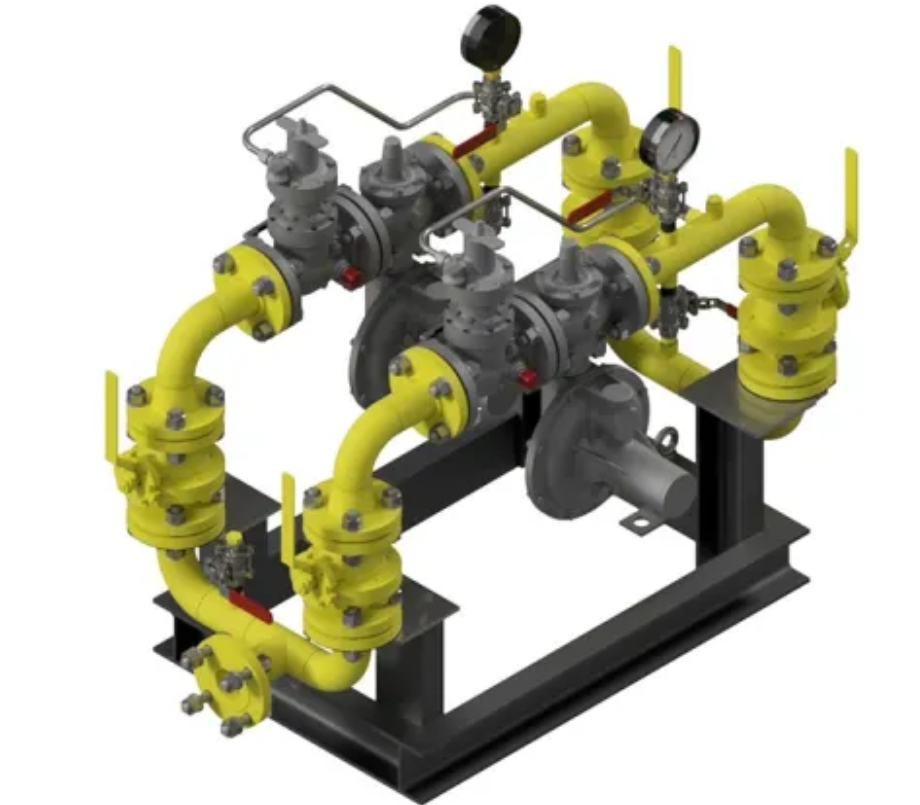
The frontier of skid manufacturing has been revolutionized by the deep integration of digital twin technology and advanced simulation software. At the forefront, companies like Shanghai Shenqi Machinery are leveraging these tools to create virtual replicas of physical skids. This allows for exhaustive design validation, computational fluid dynamics (CFD) analysis to optimize flow paths, and finite element analysis (FEA) to ensure structural integrity under extreme pressures and temperatures long before fabrication begins. This shift to a digital prototyping environment minimizes errors, accelerates the design cycle, and enables the creation of highly optimized, performance-driven modules. Furthermore, the use of Building Information Modeling (BIM) facilitates seamless collaboration with clients and contractors, ensuring the skid integrates perfectly into the broader plant design, thereby reducing costly interferences and rework during installation.
Smart Manufacturing and IIoT-Enabled Skids
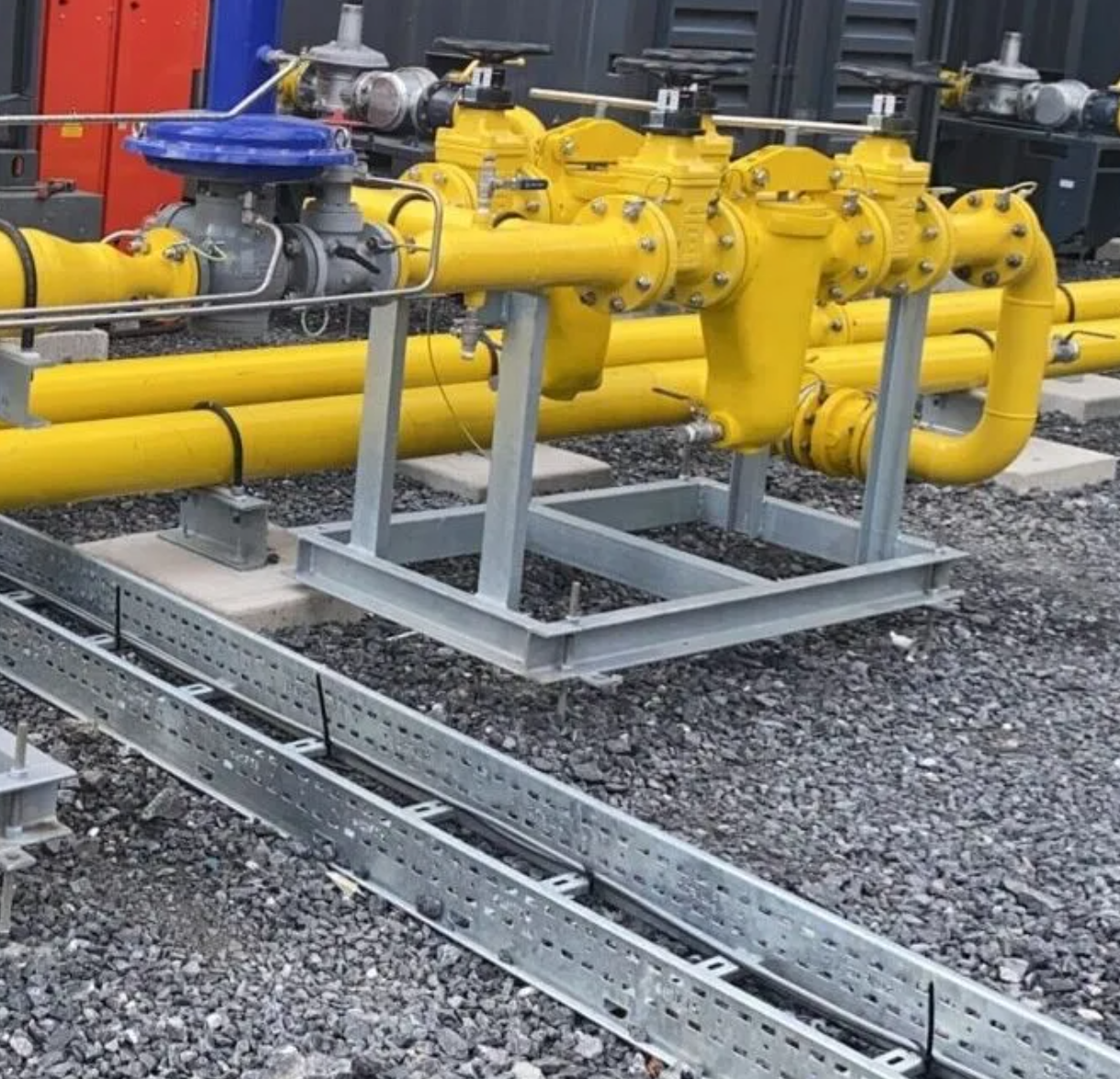
The factory floor itself is transforming through smart manufacturing principles. Advanced automation in welding (using robotic arms for consistent, high-quality welds) and precision CNC machining are becoming standard, ensuring component accuracy and repeatability. The real innovation, however, lies in the skids themselves evolving into IIoT-enabled smart assets. Modern skids from innovative manufacturers are equipped with a comprehensive array of sensors, embedded Programmable Logic Controllers (PLCs), and cloud connectivity. This enables real-time monitoring of performance parameters, predictive maintenance by analyzing trends to forecast equipment failures before they occur, and remote operation and diagnostics. This data-driven approach transforms skids from passive pieces of equipment into intelligent nodes in a connected industrial ecosystem, providing unprecedented levels of operational visibility, efficiency, and reliability.
Innovative Materials and Modularization Techniques
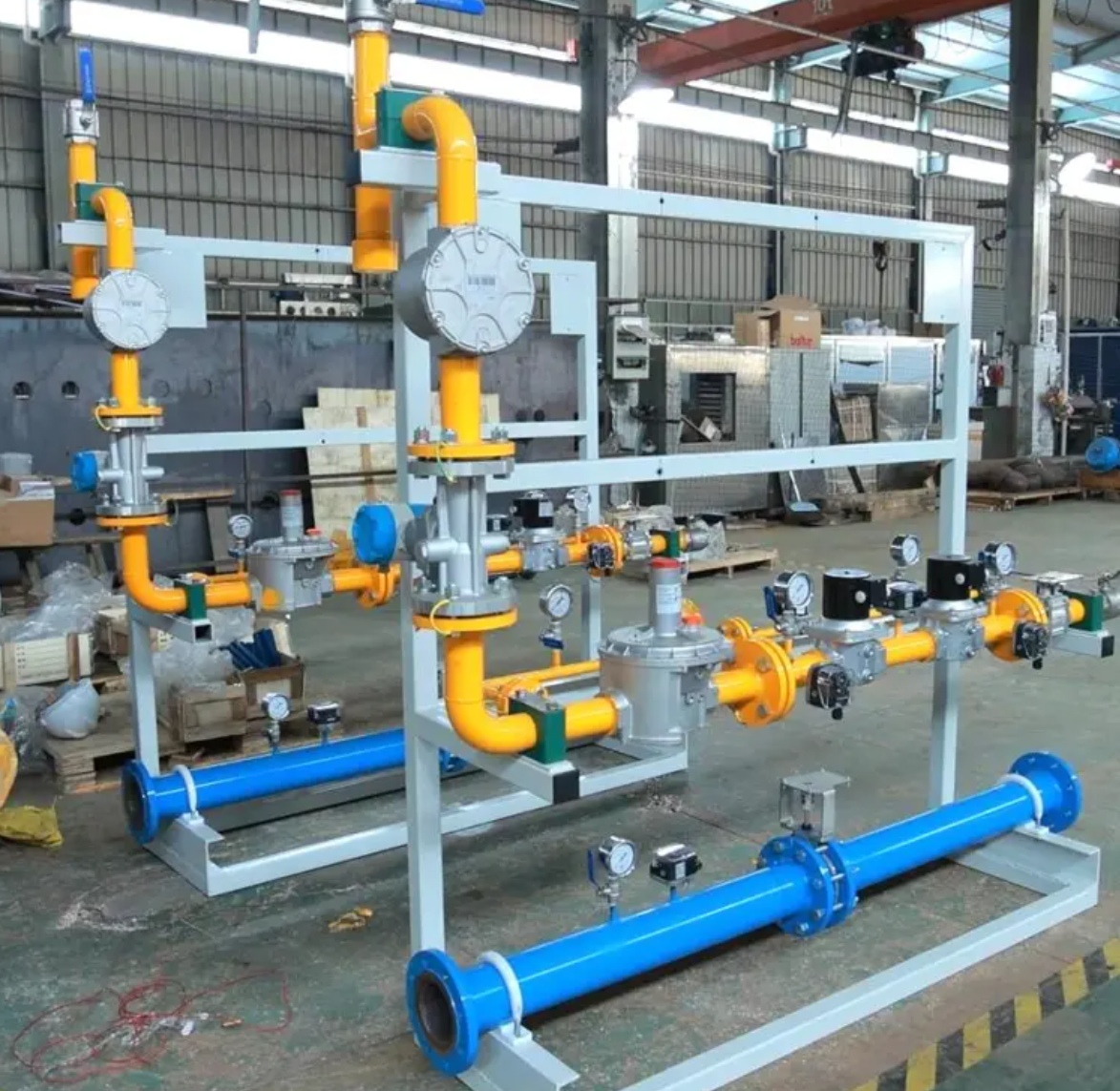
Material science and modular construction methods are witnessing significant advancements. The use of corrosion-resistant alloys and advanced composite materials is expanding, allowing skids to operate reliably in increasingly harsh and corrosive environments, such as deep-sea applications or highly acidic process streams. Simultaneously, the concept of modularization is being refined. We are moving towards standardized module libraries where pre-engineered, pre-tested functional blocks (e.g., pumping units, filtration banks, chemical injection packages) can be rapidly configured into a custom skid. This "Lego-like" approach, combined with additive manufacturing (3D printing) for rapid prototyping of complex parts, drastically shortens lead times while maintaining the benefits of customization. It represents a perfect blend of standardization for efficiency and customization for purpose, a core competence of forward-thinking manufacturers.
In conclusion, the latest innovations in skid manufacturing—driven by digitalization, smart technology, and advanced materials—are fundamentally elevating their capability, intelligence, and value. These advancements empower companies like Shanghai Shenqi Machinery to deliver smarter, more robust, and more efficient solutions, paving the way for the next generation of industrial process equipment.