


Metallic Foams in Heat Recovery Skid Design
2026-02-21 11:52Metallic Foams in Heat Recovery Skid Design
The Engineering Properties and Functional Advantages of Metallic Foams
Metallic foams represent a transformative class of materials in heat transfer engineering, characterized by their unique open-cell or closed-cell structures that provide an exceptionally high surface-area-to-volume ratio. Typically fabricated from aluminum, copper, nickel, or their alloys using advanced techniques like gas injection, powder metallurgy, or space-holder methods, these materials exhibit a remarkable combination of low density (as low as 0.1-0.5 g/cm³), high porosity (often 75-95%), and excellent thermal conductivity in the strut material. When integrated into heat recovery skids, metallic foams act as highly efficient compact heat exchangers or catalyst supports. Their tortuous, interconnected pore networks induce turbulent flow at lower Reynolds numbers, significantly enhancing convective heat transfer coefficients—often by 2 to 5 times compared to traditional finned tubes. Furthermore, their high permeability minimizes pressure drop, a critical factor in flue gas or process stream applications. Shanghai Shenqi Machinery leverages these properties by incorporating metallic foam cores, specifically aluminum-silicon (AlSi) and copper-based foams, into key components of their heat recovery skids, such as recuperators and waste heat boilers, to maximize energy capture from exhaust streams.
Innovative Integration in Shenqi's Heat Recovery Skid Architecture
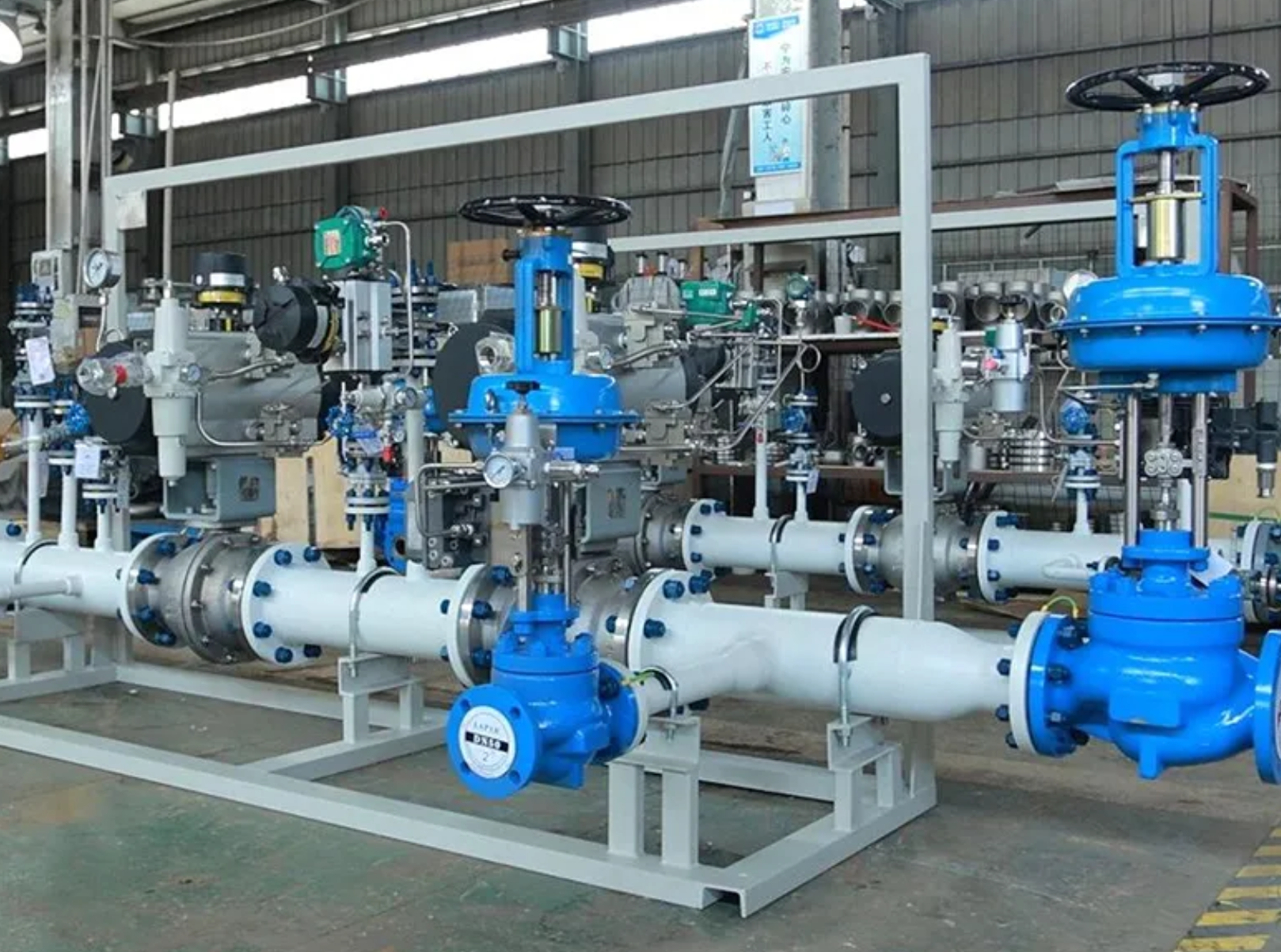
Shanghai Shenqi’s innovation lies in the systematic and optimized integration of metallic foam structures into their modular skid design. Within their compact plate-fin or shell-and-tube type recuperators, metallic foam inserts replace conventional baffles or fins. This integration is not merely a substitution but a re-engineering of fluid dynamics and thermal pathways. Computational Fluid Dynamics simulations are employed to model pore size distribution (typically 5-20 PPI – Pores Per Inch) and strut geometry, optimizing the balance between heat transfer enhancement and pressure loss for specific client applications, such as recovering waste heat from ceramic kiln exhausts or steel furnace off-gases. The foam elements are often brazed or diffusion-bonded to the heat exchanger plates or tubes, ensuring robust thermal contact and structural integrity under thermal cycling. In a recent project for a glass manufacturing plant, Shenqi’s design utilizing a nickel-chromium (NiCr) alloy foam in the high-temperature section of the skid increased overall heat recovery efficiency by 18% while reducing the physical footprint of the heat exchanger module by 30%. This demonstrates a direct translation of material science into tangible space and energy savings.
Performance Impact and Future-Oriented Applications
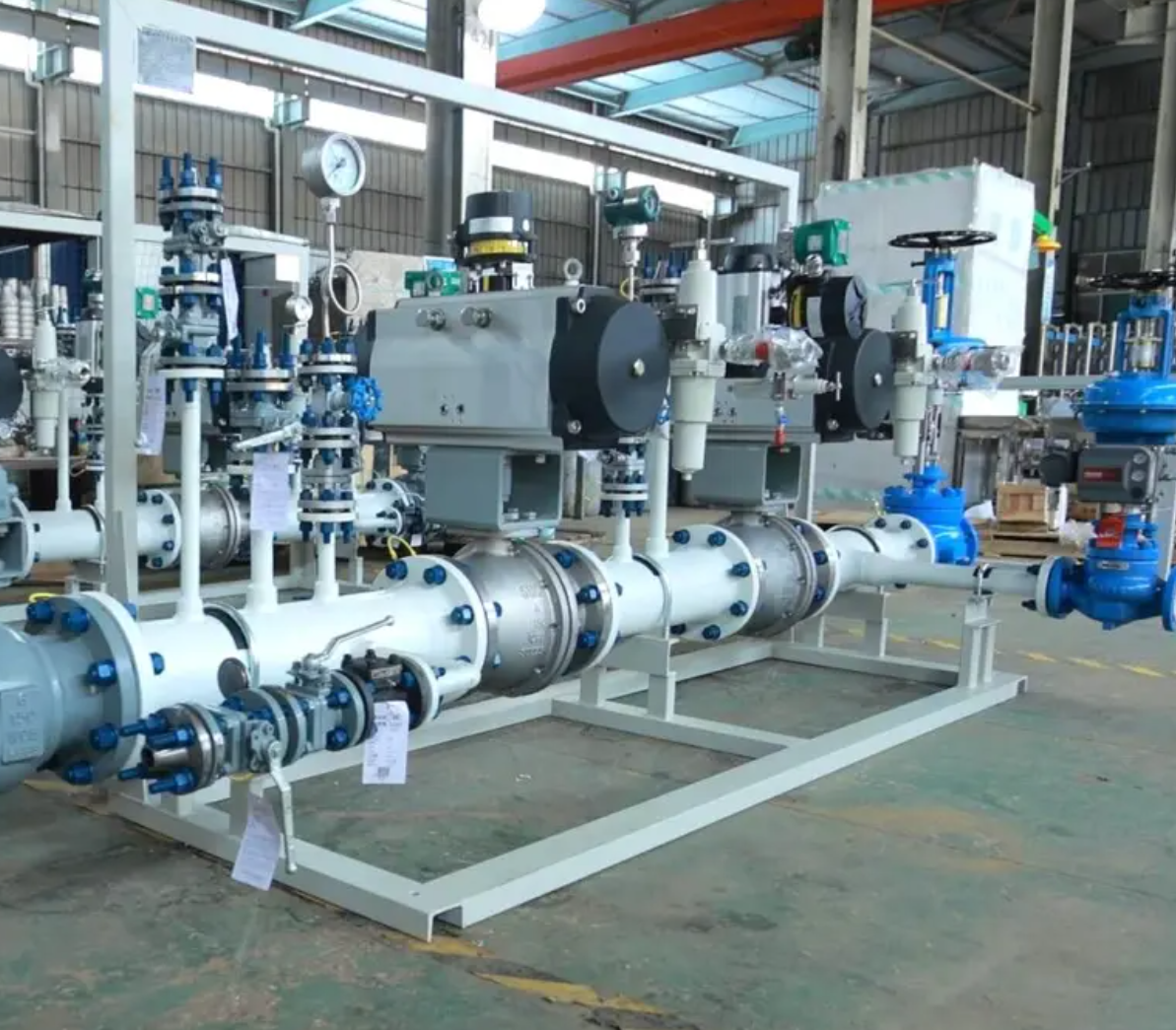
The deployment of metallic foams in Shenqi’s skids delivers multi-faceted performance enhancements. The primary impact is a substantial increase in Thermal Effectiveness, allowing for the recovery of low-grade waste heat that was previously economically unviable. This directly translates to higher energy efficiency for client operations and a reduced carbon footprint. Secondly, the lightweight nature and compactness of foam-based exchangers contribute to the overall modularity and transportability of the skid, a key selling point for offshore platforms or decentralized industrial sites. Thirdly, the structural damping and high-temperature stability of certain metallic foams add to the skid’s durability and reliability in vibrating or thermally cyclic environments. Looking forward, Shenqi is researching next-phase integrations, such as coating foam structures with catalytic materials to combine heat recovery with catalytic oxidation of volatile organic compounds (VOCs), creating multifunctional units. Another frontier is the use of additive manufacturing (3D printing) to create graded porosity foam structures, where pore size varies spatially within a single component to precisely match local heat transfer and flow requirements, pushing the boundaries of customized, high-performance heat recovery solutions.
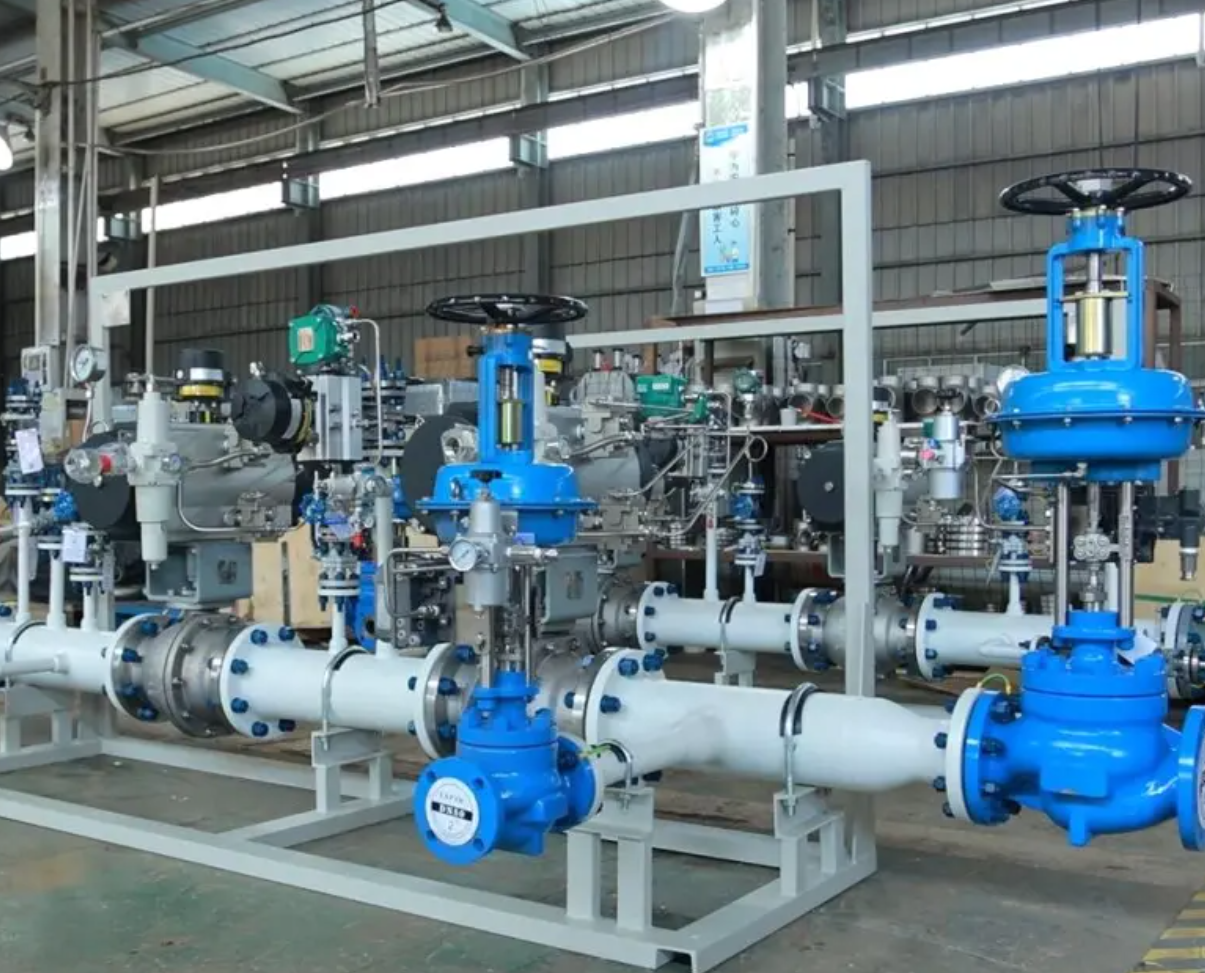
Metallic foams are revolutionizing heat recovery skid design by breaking traditional trade-offs between efficiency, size, and pressure drop. Shanghai Shenqi Machinery’s pioneering integration of these advanced materials demonstrates a commitment to delivering superior thermal solutions that are not only more efficient and compact but also enable the harnessing of previously wasted energy streams. As material science and manufacturing techniques advance, metallic foams will undoubtedly become a cornerstone in the next generation of ultra-efficient industrial heat recovery systems.