


Safety Features Integrated into Modern Pressure Reducing Stations
2026-02-03 18:49Safety Features Integrated into Modern Pressure Reducing Stations
Redundancy and Overpressure Protection
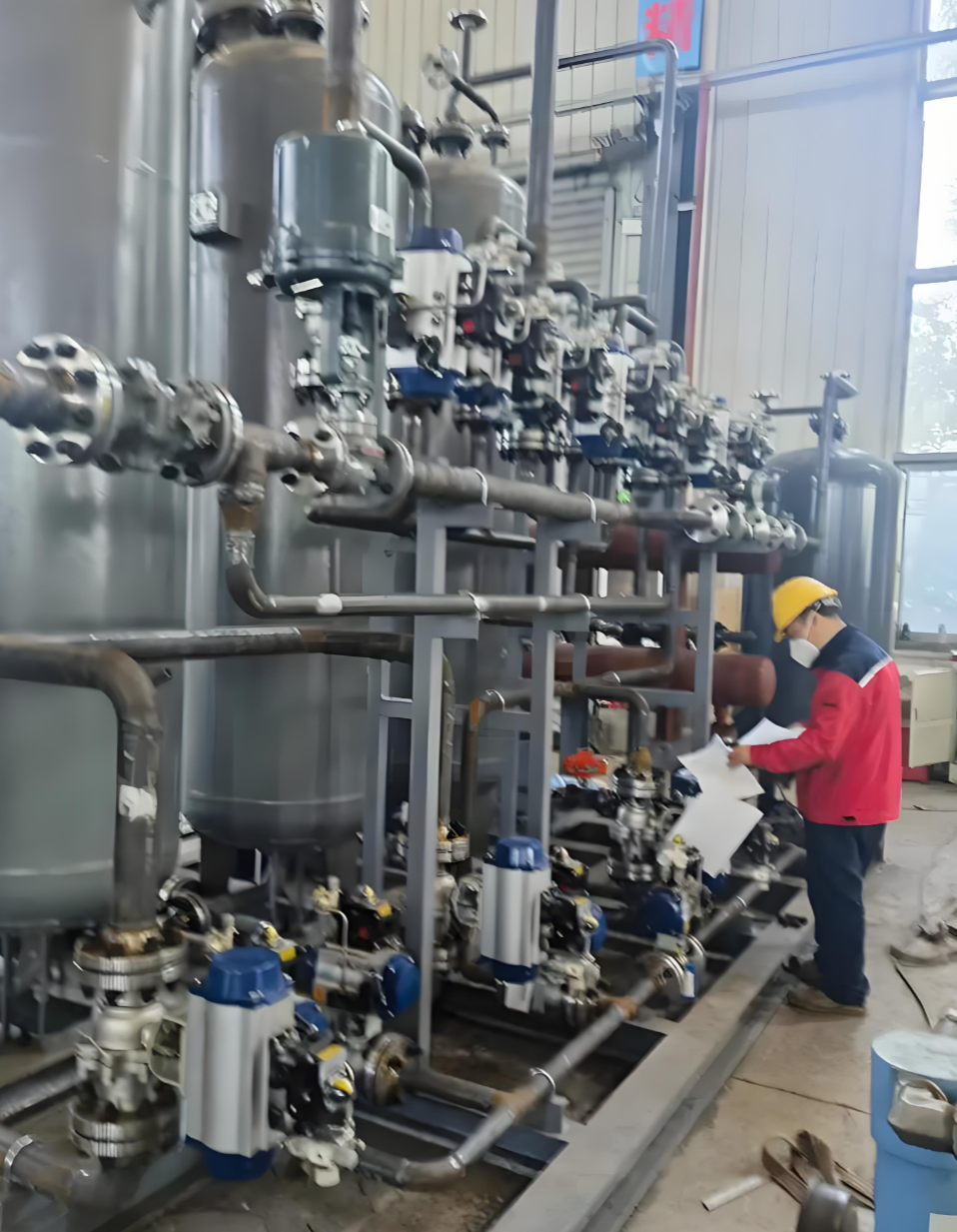
The foundation of safety in a modern pressure reducing station is built on redundant system design and robust overpressure protection. A critical feature is the 2x100% capacity configuration, which involves two independent pressure reducing trains (each comprising a primary regulator and associated components) operating in parallel. This setup ensures that if one train requires maintenance or fails, the other can immediately and seamlessly handle the full flow demand, preventing a complete shutdown. Beyond redundancy, dedicated Pressure Safety Valves (PSVs) serve as the ultimate safeguard. These valves are set to open automatically at a predetermined pressure higher than the working range of the regulators, safely venting excess gas to the atmosphere or a flare system to prevent catastrophic failure of downstream equipment. This combination of active redundancy and passive mechanical protection forms the essential first line of defense, ensuring continuous and safe operation even under fault conditions.
Advanced Monitoring and Automated Emergency Response
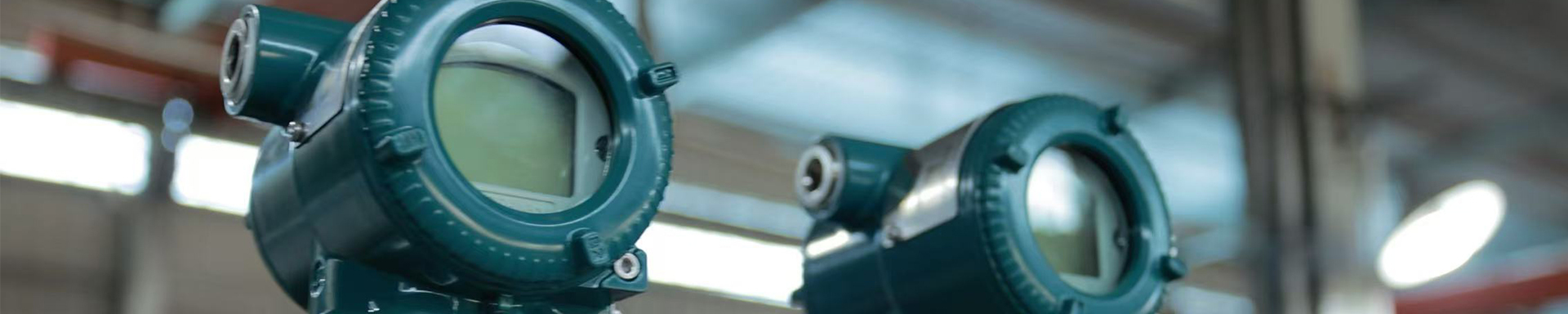
Modern stations incorporate sophisticated instrumentation and control systems that provide real-time monitoring and enable automated emergency responses. A network of high-accuracy pressure transmitters and temperature sensors continuously monitors conditions both upstream and downstream of the regulators. This data is fed into a Programmable Logic Controller (PLC) or Safety Instrumented System (SIS), which is programmed with specific set points and safety logic. If the system detects a hazardous condition—such as a downstream pressure exceeding a safe high limit, a regulator failure, or a supply pressure loss—the SIS can automatically initiate an Emergency Shutdown (ESD) sequence. This sequence typically involves closing the upstream and downstream Emergency Shutdown Valves (ESDVs) to isolate the section of the system, thereby containing the potential hazard. This layer of automated safety interlocks provides a rapid and reliable response to abnormal situations, far faster than human intervention.
Hazard Mitigation and Leak Detection Systems
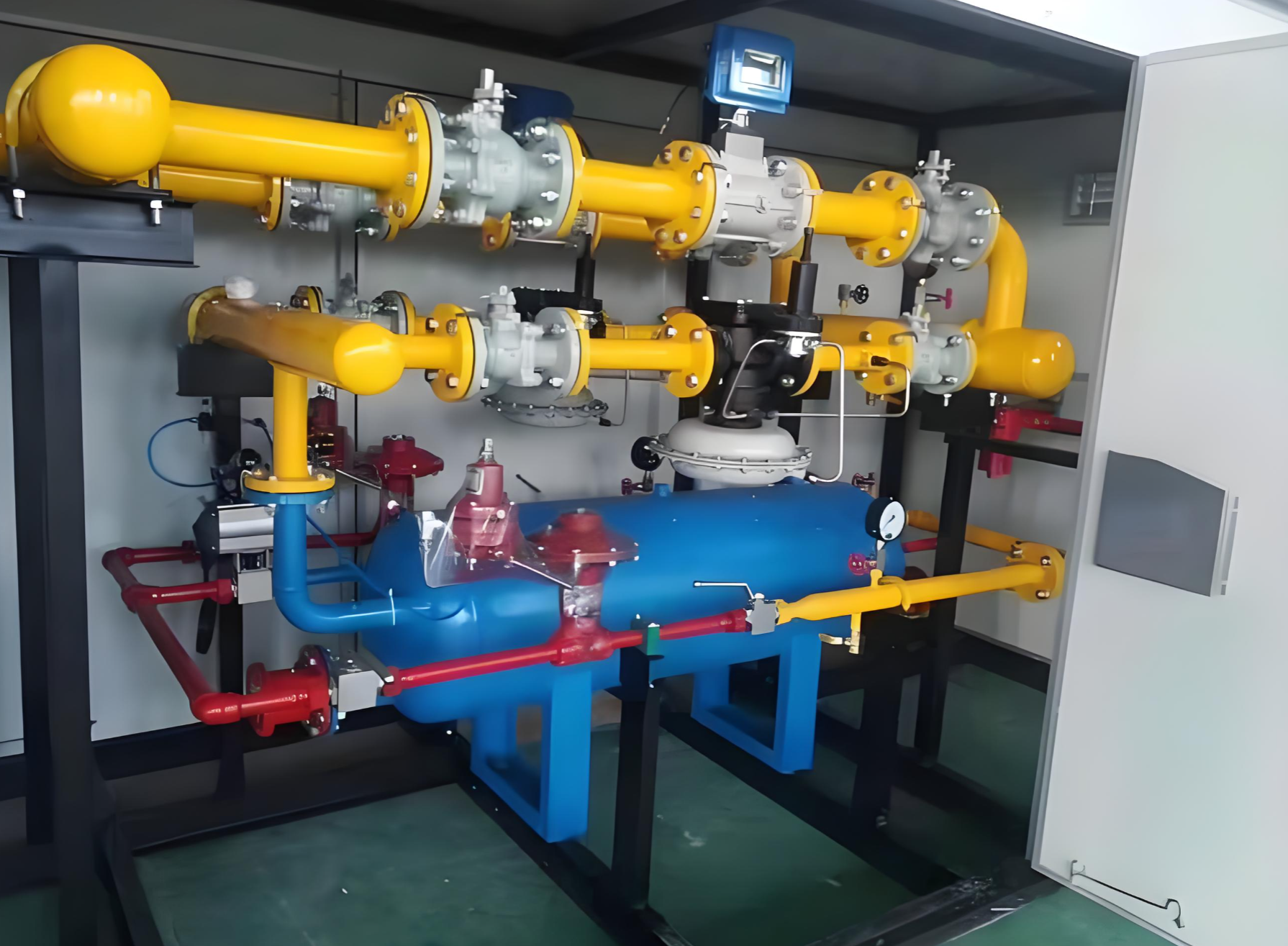
Additional features are integrated to mitigate specific risks, particularly gas leaks. Gas detection systems are strategically installed around the station, using sensors to identify the presence of combustible or toxic gases in the air. Upon detection, these systems trigger visual and audible alarms in the control room and can be integrated to initiate ventilation systems or even a partial or full ESD. For personnel safety during maintenance, double block and bleed (DBB) configurations are employed using specially arranged valves. This allows a section of piping to be safely isolated and depressurized, providing a secure environment for workers. Furthermore, the entire system is often housed within a fire-resistant enclosure or located in a well-ventilated, safe area to minimize the impact of any external fire event. These hazard-specific mitigation measures demonstrate a comprehensive approach to operational safety.
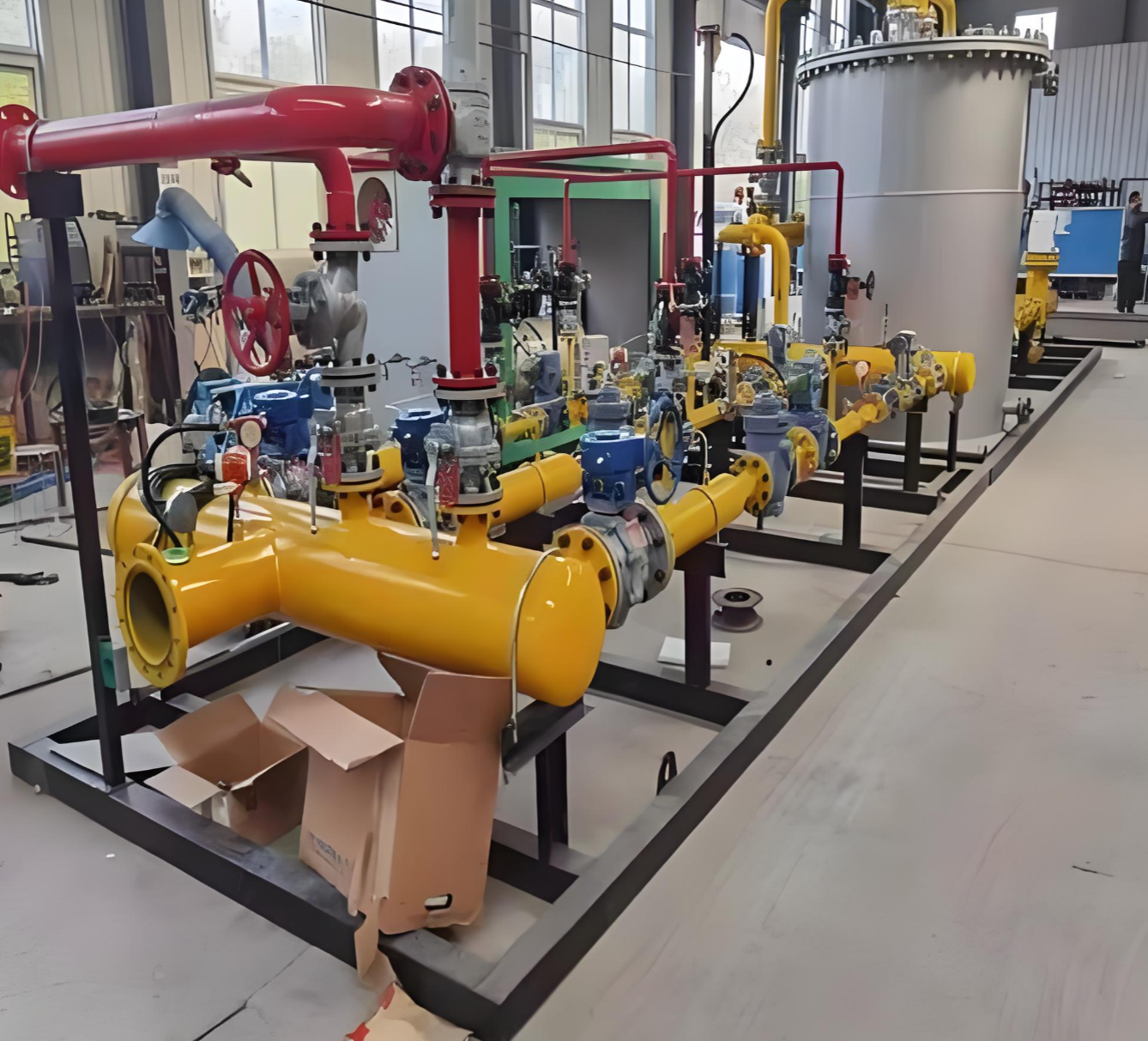
In summary, the safety of a modern pressure reducing station is not reliant on a single device but is achieved through a multi-layered, defense-in-depth strategy. By integrating mechanical redundancy, automated electronic controls, and specific hazard mitigation features, stations like those engineered by Shanghai Shenqi Machinery are designed to ensure the highest levels of protection for personnel, equipment, and the environment.