


Stainless Steel Pressure Vessel Design and Fabrication
2026-03-06 15:49Stainless Steel Pressure Vessel Design and Fabrication
The Blueprint of Integrity: Engineering-Driven Design for Demanding Service
The lifecycle of a reliable stainless steel pressure vessel begins with meticulous, code-compliant engineering design. This initial phase is not merely about determining dimensions; it is a comprehensive process of translating process requirements—such as pressure, temperature, corrosive medium, and operational duty—into a safe, efficient, and durable vessel configuration. The design process is governed by stringent international codes and standards, most notably the ASME Boiler and Pressure Vessel Code, Section VIII, Division 1. Engineers must perform detailed calculations for Shell and Head Thickness under internal and external pressure, Nozzle Reinforcement (using the area replacement method), and Stress Analysis for supports and attachments. For corrosive services common with stainless steel vessels, a critical design parameter is the Corrosion Allowance, an additional material thickness added to the calculated minimum to account for anticipated material loss over the vessel's design life. The choice of materials extends beyond the base plate; it includes specifying appropriate Filler Metals for welding to maintain corrosion resistance and selecting compatible gaskets and internal components. Furthermore, designers must consider Fatigue Analysis for cyclic services, Heat Transfer requirements for jacketed vessels, and provisions for internal fittings like baffles or spargers. Sophisticated design software enables Finite Element Analysis (FEA) to model complex stress distributions, ensuring integrity under all design conditions. For a manufacturer like Shanghai Shenqi Machinery, this rigorous, front-end engineering creates a certified Design Package that serves as the authoritative blueprint, guaranteeing the vessel is fit-for-purpose and compliant with all applicable safety regulations before a single piece of metal is cut.
The Art of Controlled Fabrication: Precision, Purity, and Welding Excellence
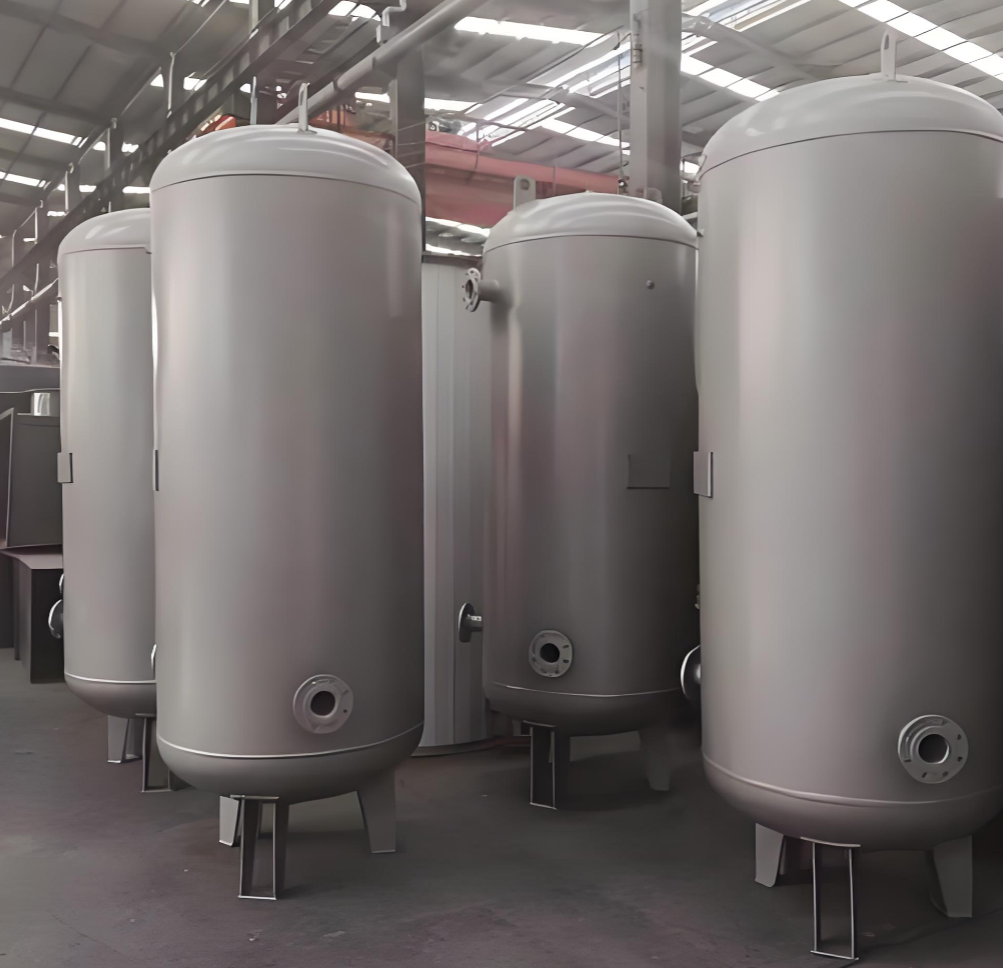
The transition from design to a physical vessel demands fabrication expertise where precision, cleanliness, and weld integrity are paramount. The process starts with Material Verification and Traceability, ensuring each plate, pipe, and fitting conforms to the specified ASTM standard (e.g., A240 316L) with accompanying Mill Test Certificates. Cutting is performed using CNC Plasma or Waterjet Cutting for high accuracy and minimal heat-affected zones. For cylindrical shells, plates are rolled to exact curvature, and seams are prepared for welding with precise bevels. The core of stainless steel vessel fabrication is Orbital and Automated Welding. Key longitudinal and circumferential seams are welded using Automatic TIG or SAW processes in controlled environments. This ensures consistent, high-quality, full-penetration welds with excellent mechanical properties and a smooth, crevice-free interior surface crucial for corrosion resistance and cleanability. For nozzles and attachments, skilled welders follow qualified Welding Procedure Specifications (WPS). Strict Interpass Temperature Control and Shielding Gas Purity (using high-purity argon) are maintained to prevent sensitization (carbide precipitation) and oxidation. After welding, critical Post-Weld Heat Treatment (PWHT) may be applied for stress relief. The fabrication process also includes precise Nozzle and Flange Alignment and the installation of internal coils, agitators, or other bespoke internals as per the design. Throughout fabrication, dimensional accuracy is constantly verified, and all weld procedures and welder performance are documented, ensuring full Quality Assurance Traceability.
Validation and Finishing: Ensuring Performance and Longevity
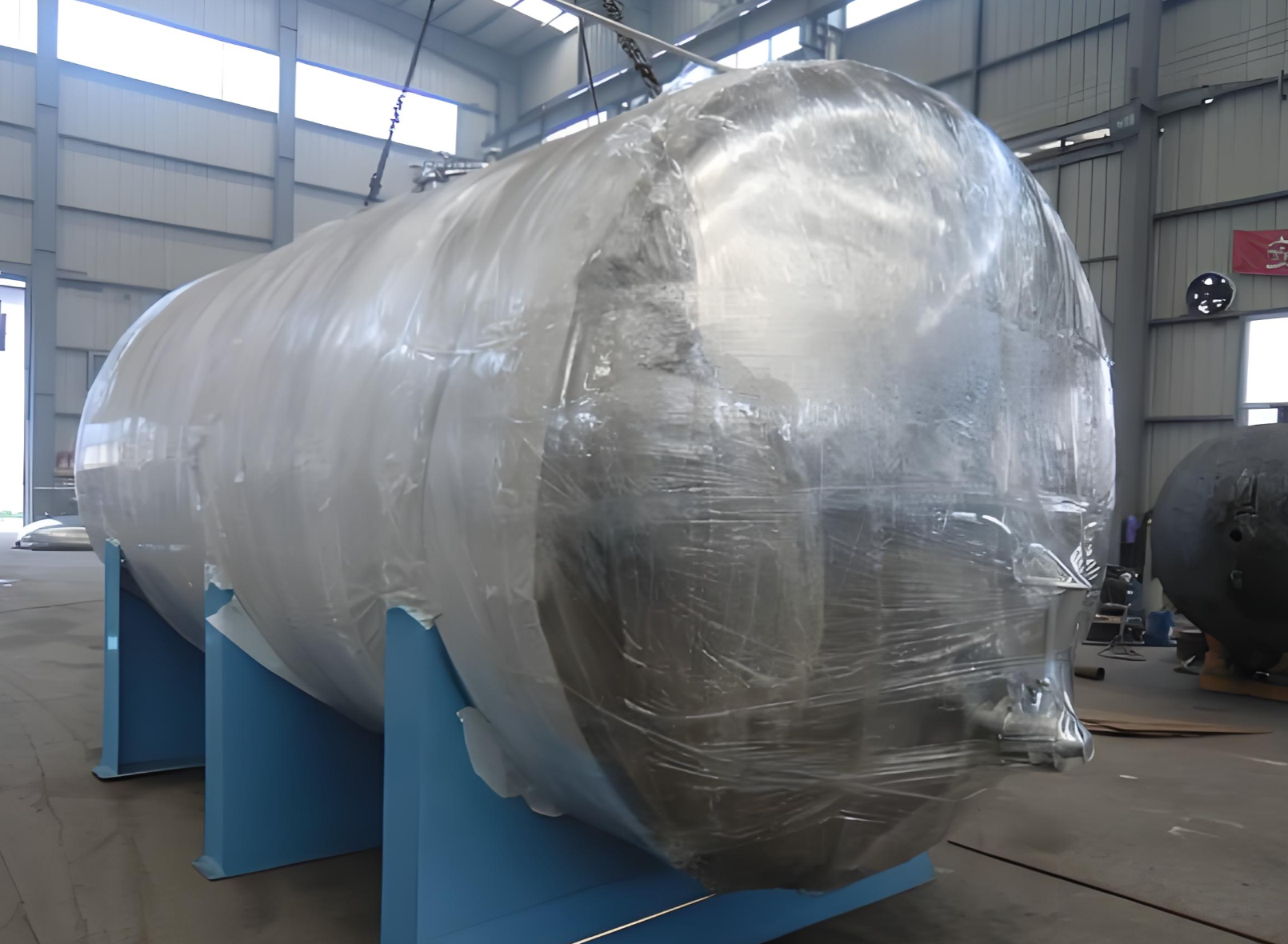
Before a stainless steel pressure vessel is deemed ready for service, it must undergo a series of rigorous validation tests and finishing processes. The most critical of these is the Hydrostatic Pressure Test (Hydro Test). The vessel is filled with water, pressurized to 1.5 times its design pressure (as per ASME code), and held to verify its structural integrity and leak-tightness. This test provides definitive proof that the design and fabrication can safely contain the intended pressure. For vessels in sanitary or ultra-clean service, internal surface finish is critical. Processes like Mechanical Polishing (to a specified Ra value) or Electropolishing are employed. Electropolishing, in particular, not only produces a microscopically smooth, bright surface that inhibits bacterial adhesion and is easy to clean but also enhances the Passive Layer, improving overall corrosion resistance. Furthermore, systematic Pickling and Passivation are performed. This chemical treatment removes free iron contamination and heat tint from welding, and actively promotes the formation of the protective chromium oxide layer. Non-Destructive Testing (NDT) methods, such as Radiographic Testing (RT) or Ultrasonic Testing (UT) of major welds, and Dye Penetrant Testing (PT) of all welds, are conducted to verify internal and surface integrity. Finally, the vessel undergoes a thorough Final Inspection, which includes verifying all dimensions, nozzle orientations, and nameplate information. Upon successful completion, the manufacturer issues a Manufacturer's Data Report and ASME U Stamp (or other applicable certification), formally attesting that the vessel complies with all code requirements. For clients, this comprehensive validation package provides the confidence that the vessel will deliver safe, reliable, and long-term performance in its designated corrosive or high-purity environment.
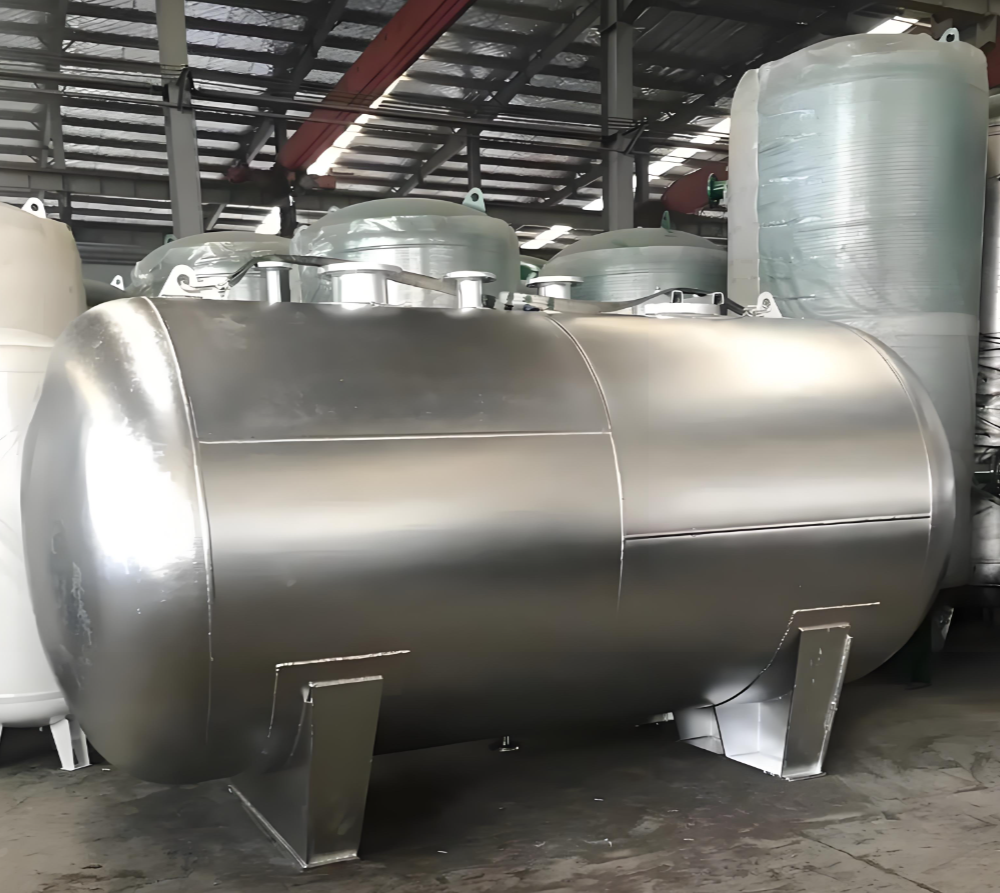
The journey of a stainless steel pressure vessel from concept to certified asset is a testament to disciplined engineering and masterful fabrication. It is a process that harmonizes rigorous code-based design with precision manufacturing techniques and uncompromising quality validation. The result is not just a container, but a high-integrity process component engineered to withstand aggressive chemicals, maintain product purity, and operate safely under pressure for decades. By partnering with a certified and experienced manufacturer like Shanghai Shenqi Machinery, who commands the full spectrum of this specialized discipline—from FEA-driven design to orbital welding and electropolishing—clients secure a vessel that embodies reliability, safety, and longevity, forming the cornerstone of their critical process systems.