



The Critical Role of Temperature & Pressure Reducing Devices in Steam Systems
2026-01-16 12:40The Critical Role of Temperature & Pressure Reducing Devices in Steam Systems
Ensuring Process Integrity and Product Quality through Precise Control
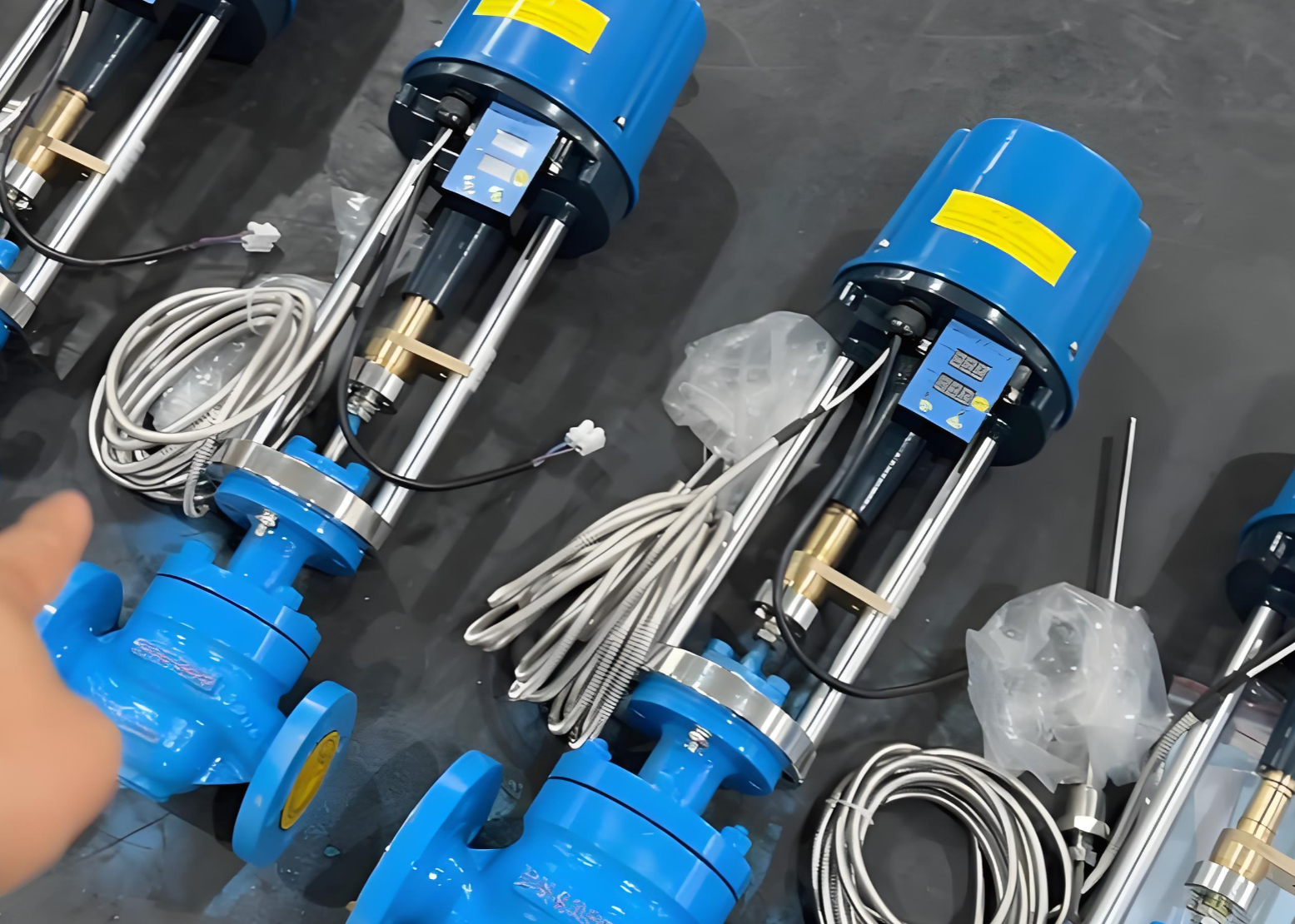
In any industrial facility utilizing steam, from pharmaceutical manufacturing to food processing, consistent and precise steam conditions are non-negotiable for maintaining product quality and process integrity. A Temperature & Pressure Reducing Device (TPRD) acts as a sophisticated control hub, meticulously reducing high-pressure, high-temperature steam from the boiler to the exact parameters required by specific applications. This precision is paramount. For instance, many chemical reactions and sterilization processes are highly sensitive to temperature; even a minor deviation can compromise the entire batch. By delivering steam at a stable, pre-set pressure and temperature, TPRDs ensure that autoclaves, heat exchangers, and reactors operate with unwavering reliability. This level of control, a hallmark of quality engineering found in suppliers like Shanghai Shenqi Machinery, directly safeguards against costly product spoilage, ensures compliance with stringent industry standards, and guarantees reproducible results batch after batch.
Protecting Critical Equipment and Enhancing Operational Safety
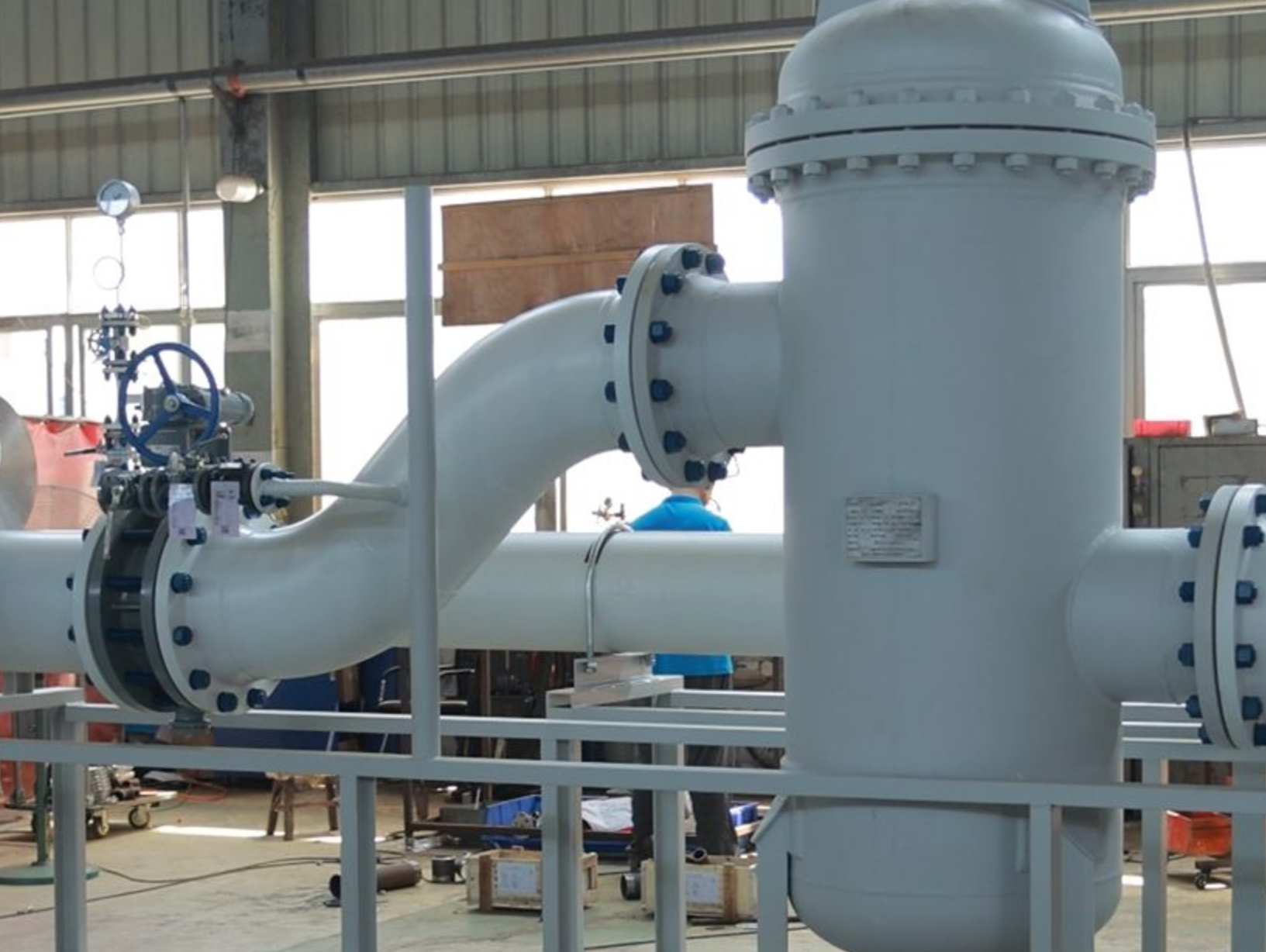
Beyond quality control, TPRDs serve as a vital protective barrier for downstream equipment and personnel. Steam systems inherently carry significant energy, and uncontrolled temperature and pressure pose severe risks. Excessive pressure can strain pipelines, damage valve seats, and cause catastrophic failures in vessels and heat exchangers. Similarly, superheated steam at incorrect temperatures can degrade system components prematurely. A robust TPRD mitigates these risks by automatically regulating the steam to safe levels. Integrated safety features, such as internal safety valves, provide an additional layer of protection against over-pressure scenarios. This proactive approach to equipment protection, central to the design philosophy of experienced manufacturers, significantly extends the lifespan of valuable assets, minimizes unplanned maintenance, and creates a safer working environment by reducing the potential for steam-related accidents.
Driving Energy Efficiency and Reducing Operational Costs
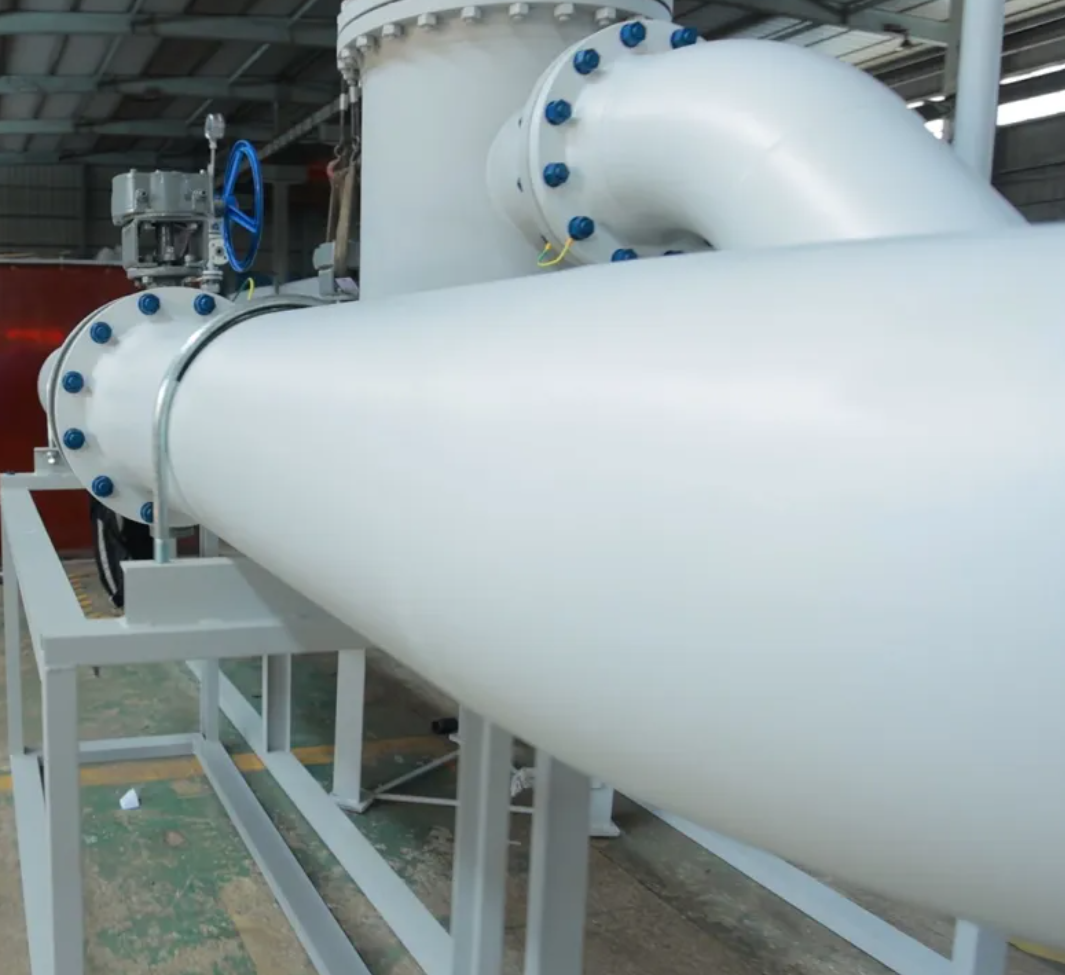
The role of a TPRD is not merely protective; it is fundamentally economic. Inefficient steam usage is a major source of energy waste in industrial plants. By providing precisely the steam conditions needed—no more, no less—a TPRD eliminates the energy waste associated with over-scaling equipment or manual throttling valves. Furthermore, pressure reduction itself can lead to useful "flash steam" generation, which can be harnessed for lower-temperature heating needs, thereby maximizing the utilization of the latent heat within the steam. This optimized energy management translates directly into lower fuel consumption and reduced carbon emissions. For plant managers focused on sustainability and cost-reduction, investing in a high-efficiency TPRD from a specialized supplier like Shenqi is a strategic move that delivers a rapid return on investment through substantial energy savings and minimized downtime, making the entire steam system more lean and cost-effective.
In essence, the Temperature & Pressure Reducing Device is far more than a simple utility component; it is a critical engineering asset that sits at the heart of a safe, efficient, and reliable steam system. By guaranteeing precise process conditions, shielding valuable equipment from harm, and unlocking significant energy savings, the TPRD proves to be an indispensable investment for any industrial operation seeking to maximize productivity, safety, and profitability.