



The "silent guardian" of hospital central oxygen supply systems: Gas pressure regulating and distribution units.
2025-12-15 11:05The "silent guardian" of hospital central oxygen supply systems: Gas pressure regulating and distribution units.
1. The Vital Pulse: Precision Pressure Regulation for Patient Survival
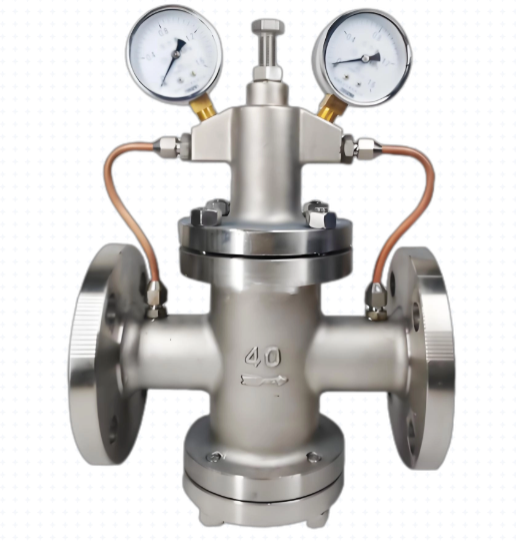
Within the intricate ecosystem of a hospital, a continuous and reliable oxygen supply is as crucial as electricity. The high-pressure oxygen delivered from central storage tanks is, however, unsuitable for direct patient use. This is where the Gas Pressure Reducing and Distribution Unit acts as the vital pulse. Its primary function is to meticulously step down the high incoming pressure to safe, therapeutic levels precise enough for everything from intensive care ventilators to neonatal incubators. Using advanced pressure reducing valves and sensitive regulators, these systems maintain unwavering pressure stability. Any fluctuation could be catastrophic, affecting the accuracy of life-support equipment and drug delivery. This first stage of precision regulation is the foundational layer of safety, ensuring that the life-giving gas is delivered in a controlled and predictable manner, breath after breath.
2. Beyond Reduction: Intelligent Distribution and System Resilience
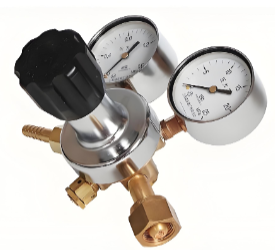
The role of these units extends far beyond simple pressure reduction. They are intelligent distribution hubs. A sophisticated system will incorporate multiple distribution rails, allowing different hospital zones—such as the ICU, operating theaters, and general wards—to be supplied independently. This modular design enhances resilience; a maintenance issue in one section does not compromise the entire hospital's supply. Furthermore, critical safety features are integral. Automatic changeover manifolds seamlessly switch between primary and secondary oxygen banks, ensuring an uninterrupted flow. Pressure relief valves act as emergency vents to prevent dangerous over-pressurization of pipelines. Additionally, continuous pressure monitoring gauges provide real-time visual data for staff. This multi-layered approach to distribution and safety transforms the unit from a simple regulator into a resilient nerve center for the hospital's medical gas system.
3. The Unseen Assurance: Safety, Purity, and Peace of Mind
Perhaps the most critical characteristic of these guardians is their unwavering commitment to gas purity and safety. Internally, all components and pathways are meticulously crafted from materials (such as oxygen-compatible brass and stainless steel) that resist corrosion and prevent the generation of combustible particles—a paramount concern in high-oxygen environments. Filters are installed to trap any particulate contaminants that might have entered the system. By maintaining a sealed, clean, and precisely controlled environment, the unit guarantees that the oxygen reaching a patient's bedside is not only at the correct pressure but also of the highest purity, free from contaminants that could cause infections or adverse reactions. This unseen, silent operation provides the ultimate peace of mind for healthcare professionals, allowing them to focus entirely on patient care without worrying about the integrity of their most essential utility.
Summary
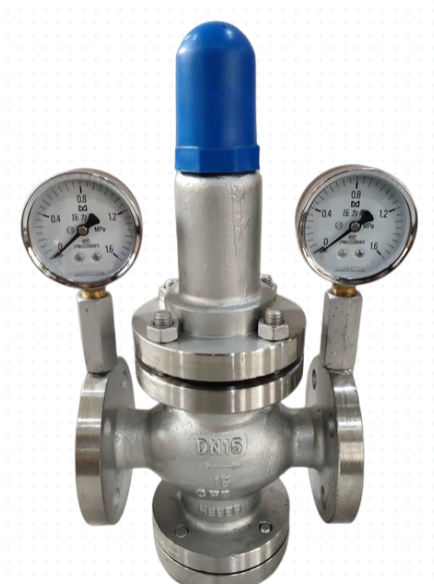
In conclusion, the Gas Pressure Reducing and Distribution Unit is far more than a piece of industrial hardware; it is an indispensable, intelligent life-support system embedded within the hospital's infrastructure. By ensuring precise pressure regulation, enabling resilient distribution, and guaranteeing gas purity, this silent guardian works tirelessly in the background. It is a fundamental pillar of modern clinical safety, directly contributing to positive patient outcomes by providing a reliable foundation for critical therapies and interventions.