


The Skyscraper's Pacemaker: Precision Pressure Systems for Modern High-Rises
2025-12-19 11:37The Skyscraper's Pacemaker: Precision Pressure Systems for Modern High-Rises
1. The Vertical Challenge: Why Gravity Alone Isn't Enough
In a skyscraper, the force of gravity creates a significant pressure differential between the lower and upper floors. Water pressure naturally decreases with height, meaning that without intervention, upper floors would experience only a trickle of water, while lower floors would be subjected to dangerously high pressures. This imbalance renders simple, direct pumping systems ineffective. The challenge is twofold: to boost pressure sufficiently to reach the highest occupiable floor—be it for domestic water, fire suppression, or HVAC systems—while simultaneously reducing pressure at lower levels to prevent damage to plumbing fixtures, appliances, and piping. This precise regulation is not merely about convenience; it is a fundamental requirement for the building's safety, functionality, and compliance with international plumbing codes. The pressure system, therefore, acts as the building's circulatory system, dynamically managing flow and pressure to ensure equitable distribution from the basement to the penthouse.
2. The Engineering Heart: Multi-Zone Pumping and Pressure Reduction Systems
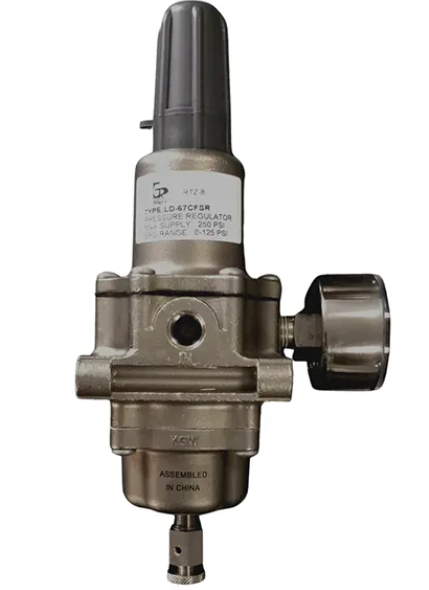
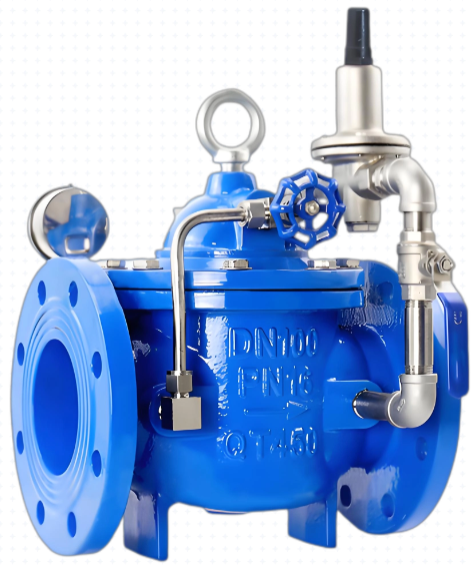
The modern solution is a centralized, intelligent pressure boosting system, typically housed in the building's basement or a dedicated mechanical floor. This system functions as the engineering heart of the skyscraper. It often comprises multiple sets of stainless steel multi-stage centrifugal pumps arranged in a lead-lag or variable-speed configuration. Variable Frequency Drives (VFDs) are critical, allowing the pumps to modulate their speed and output to match real-time demand, thus achieving immense energy savings. For tall structures, the building is divided into discrete pressure zones. Water is pumped to intermediate break tanks or hydro-pneumatic tanks at strategic heights, and then re-pumped to higher zones. At the entry point to each lower zone, Pressure Reducing Valves (PRVs) are installed to step down the pressure to a safe, predefined level. This zoned approach, managed by a sophisticated Programmable Logic Controller (PLC), ensures that pressure is consistently maintained within the optimal range (typically 3-5 bar) for every fixture, regardless of how many are in use simultaneously.
3. Beyond Basic Water Supply: Integration with Fire Safety and Sustainability
The role of the pressure system extends far beyond delivering potable water. It is intrinsically linked to the building's fire protection system, where maintaining adequate pressure is a matter of life and safety. Dedicated fire pumps and jockey pumps are integrated into the system to guarantee that sprinklers and standpipes have immediate and sufficient pressure in an emergency. Furthermore, these modern systems are key contributors to green building certifications like LEED or BREEAM. The high efficiency of VFD-driven pumps significantly reduces electricity consumption compared to old constant-speed systems. Features like duty-standby rotation enhance equipment longevity, and the precise pressure control minimizes water waste from leaks and excessive flow. By ensuring optimal performance with minimal energy and resource use, the skyscraper's pressure system evolves from a mere utility into a core component of the building's sustainable design, reducing its operational carbon footprint for decades.
Summary
Much like a pacemaker regulates a human heartbeat, the advanced pressure control system in a skyscraper is the unseen guardian of its daily operation. It masterfully overcomes the laws of physics to deliver reliable water supply, ensures critical life safety functions, and drives operational efficiency. As buildings grow taller and smarter, the demand for these sophisticated, integrated, and sustainable pressure management solutions will only intensify, solidifying their role as the indispensable pulse of modern urban architecture.