

Understanding Temperature & Pressure Reducing Stations for Steam Systems
2026-04-12 12:09Core Function: The Heart of Precise Steam Control
A Temperature & Pressure Reducing Station (TPRS) is an integrated assembly of valves, piping, and controls designed to precisely regulate high-pressure, high-temperature steam from a boiler or main header to a lower, usable pressure and temperature required by downstream processes. It performs two critical functions simultaneously. First, a Pressure Reducing Valve (PRV) automatically throttles the steam flow to maintain a consistent, pre-set downstream pressure, regardless of fluctuations in the inlet supply. Second, a Temperature Control System, typically an attemperator or desuperheater, injects a precise spray of high-purity water into the steam flow. This finely atomized water evaporates instantly, absorbing heat and thereby reducing the steam temperature to the desired setpoint. The synergy of these actions ensures that process equipment—such as heat exchangers, reactors, or turbines—receives steam at stable, optimal conditions. This stability is crucial for maximizing thermal efficiency, protecting sensitive equipment from thermal stress, and ensuring consistent product quality in industries from pharmaceuticals to food processing.
Key Components and Operational Integrity
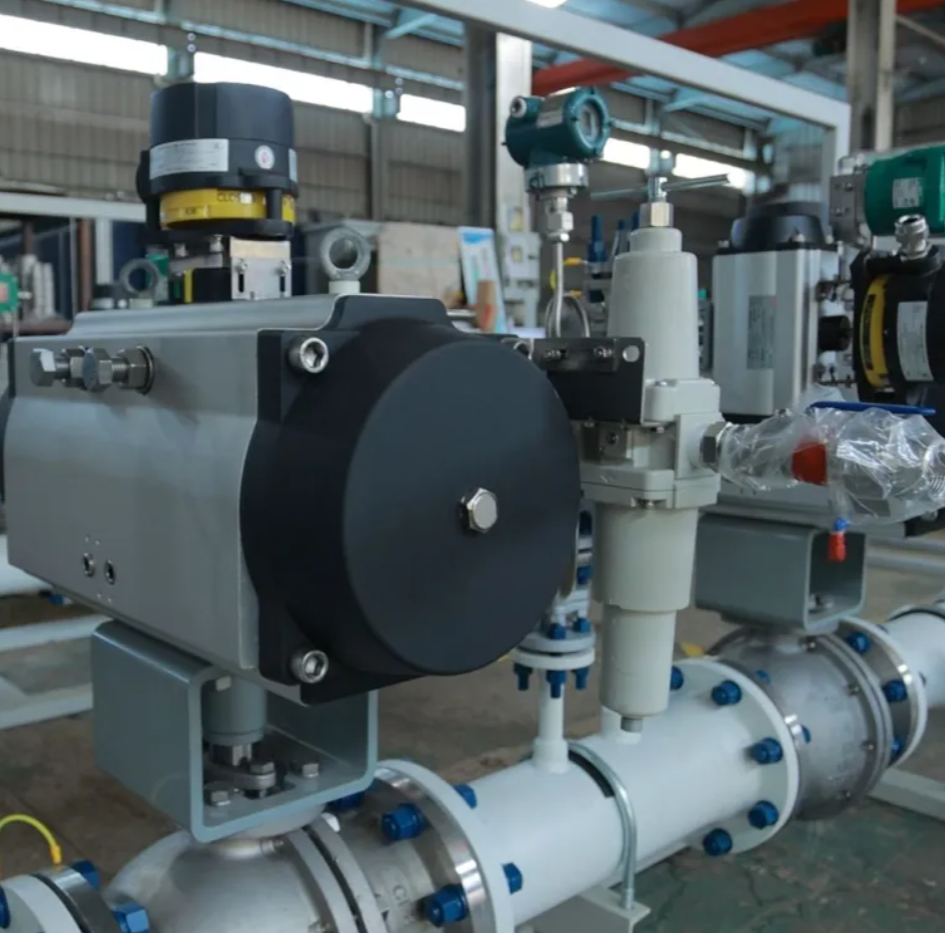
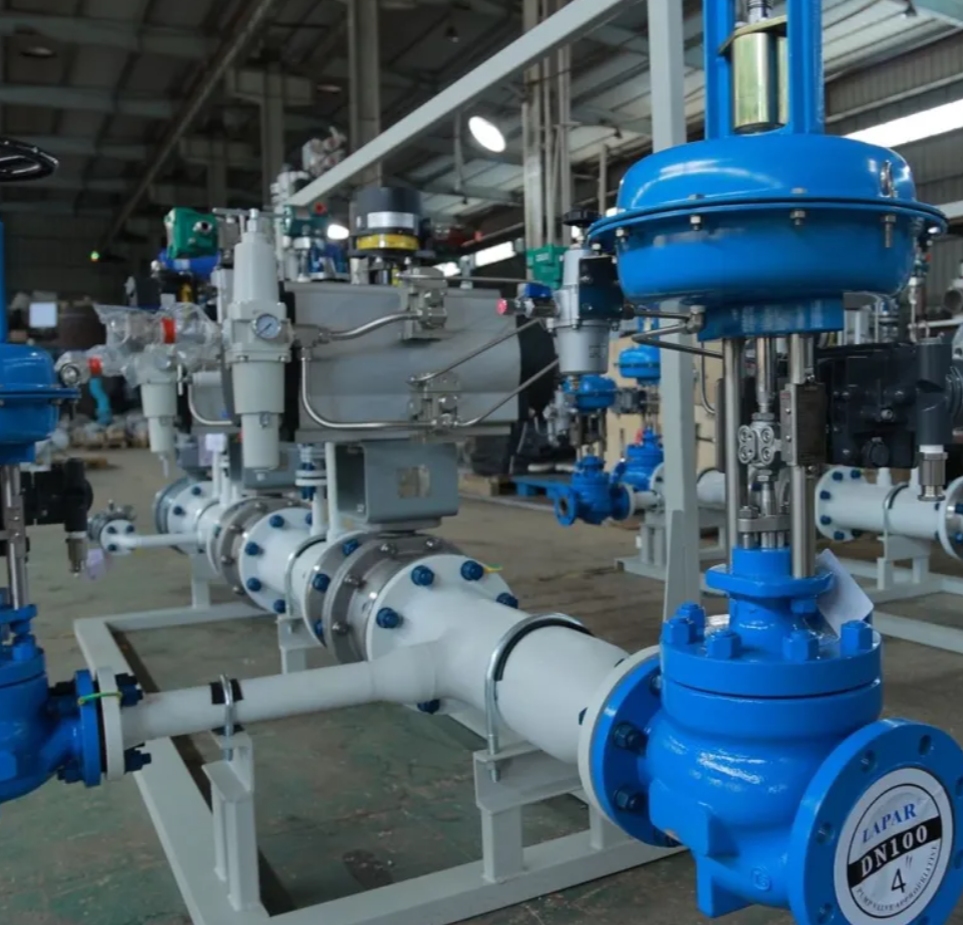
The reliability and performance of a TPRS depend on the quality and integration of its key components. The heart of the pressure control is a pilot-operated or direct-acting Pressure Reducing Valve, chosen for its accuracy and responsiveness. Downstream, the Desuperheater is critical; its nozzle design and water control valve must ensure perfect atomization for complete, instantaneous evaporation without water carryover, which can cause erosion and water hammer. Supporting these are high-precision instruments: pressure and temperature transmitters provide real-time feedback to the control system, while a PLC (Programmable Logic Controller) or dedicated controller continuously adjusts the valves to maintain setpoints. For safety, a safety relief valve is mandatory on the downstream side to protect against PRV failure. Furthermore, strainers protect valves from pipeline debris, and separators or steam traps ensure dry steam delivery. A well-designed station, like those engineered by Shenqi, integrates these components on a single, compact skid with pre-fabricated piping, pre-wired panels, and pre-tested controls. This modular approach guarantees seamless component interaction, reduces field installation errors, and accelerates commissioning.
Critical Design Considerations for Optimal Performance
Selecting or engineering an effective TPRS requires careful analysis of several process and design parameters. Inlet steam conditions (pressure and temperature) and required outlet specifications define the station's duty. The maximum and normal steam flow rates determine the sizing of valves, piping, and the desuperheater's capacity. The quality of attemperation water (its pressure, temperature, and purity) is vital to prevent scaling and ensure clean vaporization. The choice of materials of construction, such as carbon steel for main lines and stainless steel for trim and desuperheater components, must account for pressure-temperature ratings and corrosion resistance. Control strategy is another key consideration; a cascade control loop, where the temperature controller's output sets the pressure controller's setpoint, often provides superior stability. Additionally, factors like noise levels, space constraints, and requirements for bypass valves for maintenance must be addressed. Leading manufacturers like Shanghai Shenqi Machinery collaborate closely with clients to model these variables, ensuring the final skid-mounted station delivers precise, reliable, and energy-efficient steam conditioning tailored to the specific plant's needs.
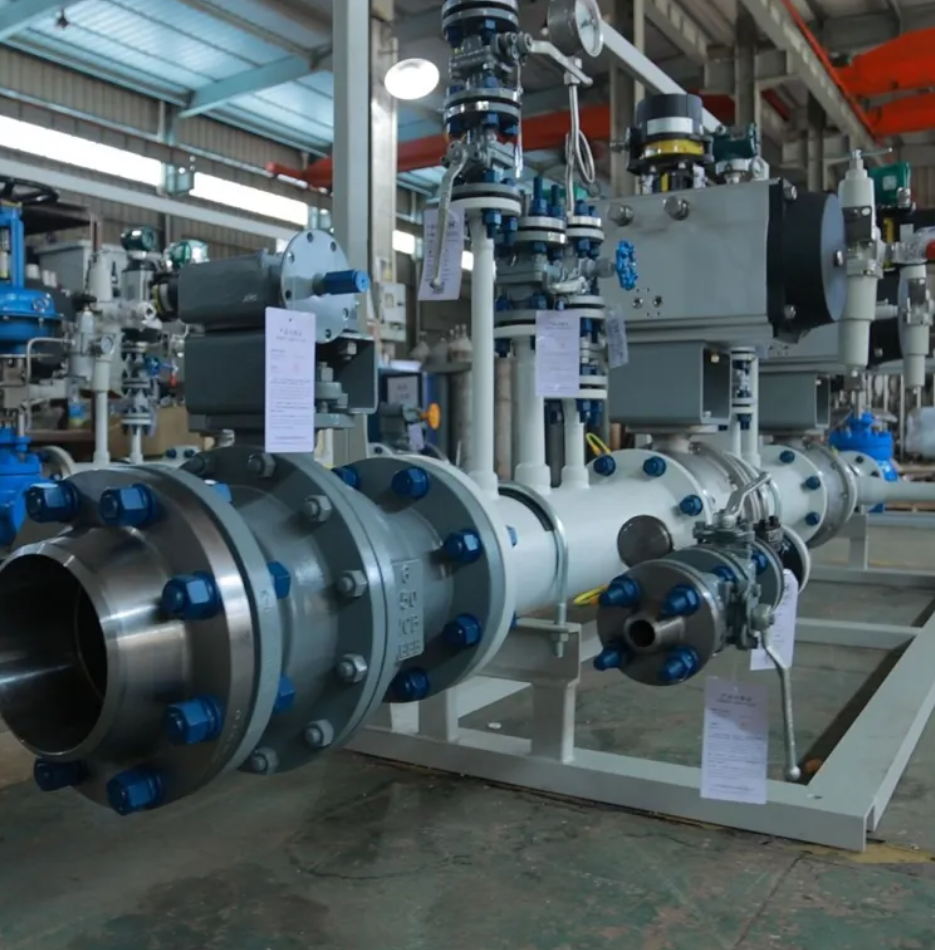
In essence, a Temperature & Pressure Reducing Station is far more than just a set of valves; it is a sophisticated, purpose-engineered system vital for safe, efficient, and stable steam distribution. By intelligently combining pressure reduction with precise temperature control, it protects downstream equipment, optimizes energy usage, and ensures process consistency. For industries reliant on steam, partnering with an experienced skid-mounted system manufacturer like Shenqi Machinery to design and supply a customized TPRS is a strategic investment in plant reliability, operational safety, and long-term cost savings.