


What is a Gas Pressure Regulating Skid and How Does It Work
2026-01-25 17:06What is a Gas Pressure Regulating Skid and How Does It Work
What is a Gas Pressure Regulating Skid?
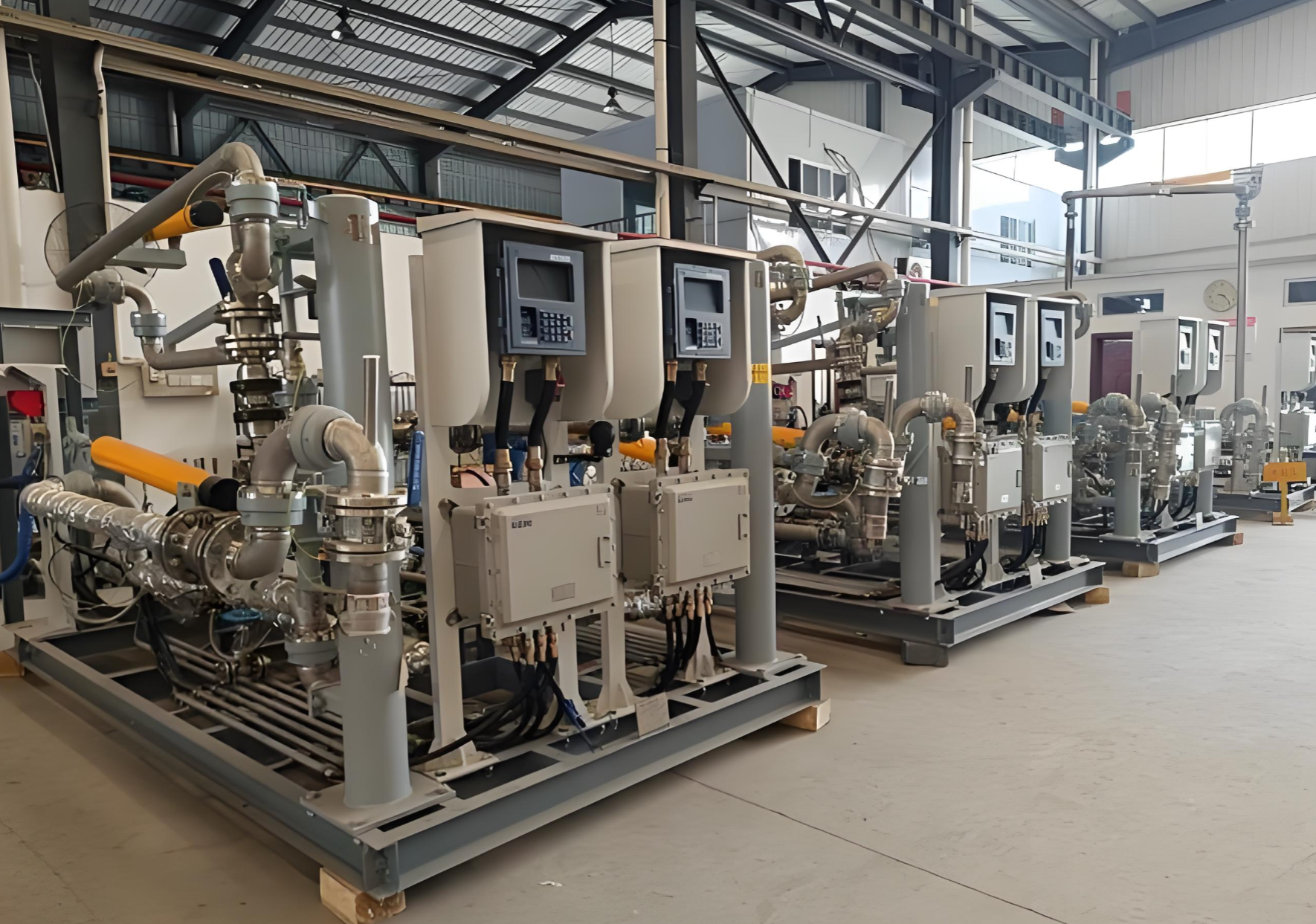
A Gas Pressure Regulating Skid, also known as a pressure reduction skid or gas regulator skid, is a pre-assembled, modular system designed to automatically reduce and control high-pressure gas from a source to a stable, lower pressure required by downstream equipment or processes. Think of it as a sophisticated, industrial-grade version of a household water pressure regulator, but for complex industrial applications. These skids are engineered packages that integrate critical components like inlet and outlet shut-off valves, filters, pressure regulators (often in a redundant setup for reliability), safety relief valves, and advanced instrumentation for monitoring pressure, temperature, and flow rates. Manufactured by specialists like Shanghai Shenqi Machinery, these skids are custom-built to handle various gases, including natural gas, nitrogen, hydrogen, and other process gases, ensuring safe and efficient operation in industries such as oil & gas, petrochemicals, and power generation.
How Does a Gas Pressure Regulating Skid Work?
The operation of a Gas Pressure Regulating Skid follows a precise, automated sequence to ensure consistent pressure control. The process begins as high-pressure gas enters the skid through the inlet piping. It first passes through a filter separator to remove particulates, liquids, or other contaminants that could damage downstream components. The clean gas then flows to the primary pressure regulator, which is a self-operating valve that automatically adjusts its opening based on the downstream pressure sensed by a pilot or a diaphragm. If the downstream pressure rises, the regulator restricts flow; if it drops, the regulator opens wider to maintain the set point. For critical applications, a secondary, identical regulator is installed in a "monitor" or "standby" configuration, providing 100% redundancy. Throughout the process, instruments continuously transmit data to a local control panel, and safety relief valves activate to vent excess pressure if both regulators fail, ensuring complete system protection.
Key Components and Engineering Expertise
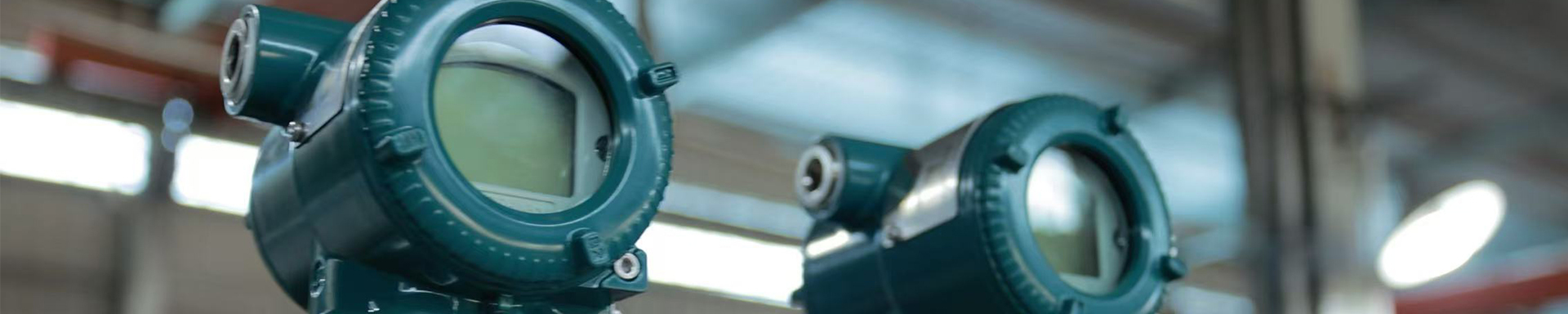
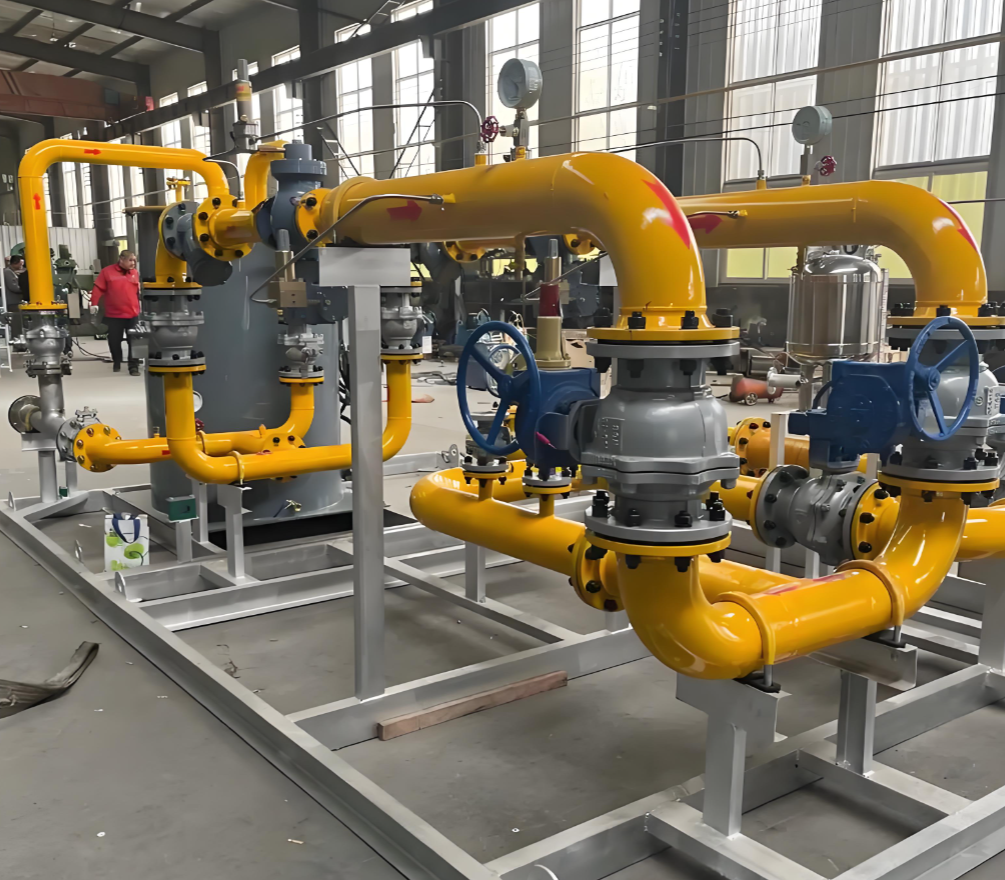
The reliability of a Gas Pressure Regulating Skid hinges on the quality of its components and the expertise behind its integration. Key components include: Pressure Regulators (the core control elements), Shut-off Valves (for isolation during maintenance), Filter Separators (for gas purification), Safety Relief Valves (the last line of defense), and Instrumentation (pressure and temperature gauges, transmitters). The true value, however, lies in the engineering and fabrication prowess of the manufacturer. Shanghai Shenqi Machinery, for instance, excels in skid-mounted system design, selecting optimal materials for corrosion resistance, and employing precision welding and assembly processes. Their approach ensures that all components work in harmony within a robust structural frame, resulting in a pre-fabricated skid package that is leak-tested, performance-validated, and ready for rapid installation on-site, significantly reducing project risks and timelines.
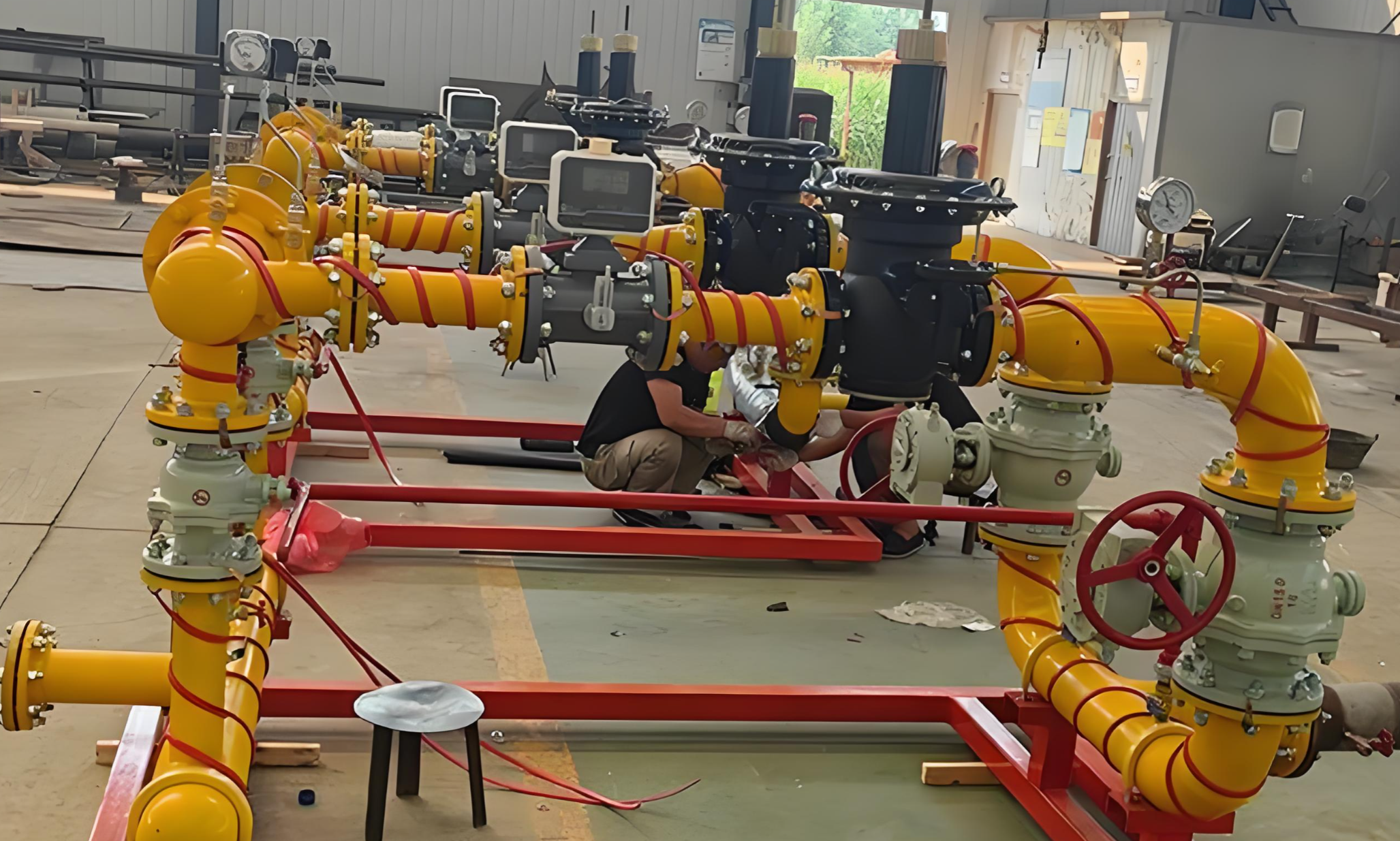
In summary, a Gas Pressure Regulating Skid is an indispensable engineered system that guarantees precise pressure control, operational safety, and process reliability. By integrating high-quality components into a single, pre-tested module, manufacturers like Shanghai Shenqi Machinery provide industries with a turnkey solution that enhances efficiency and protects valuable downstream assets.