



What Should Be Confirmed Before Finalizing A Custom Skid Design
2026-04-07 17:44Finalizing a custom skid design is a critical step in any industrial project. Once the design is approved, material purchasing, fabrication, assembly, testing, and delivery all move forward based on that decision. If important details are missed at this stage, the result can be design revisions, production delays, installation problems, performance issues, and unnecessary cost increases. A custom skid is not only a frame with equipment mounted on it. It is a complete integrated system that must match the process, site conditions, safety requirements, and long-term operating needs. Before the design is finalized, several key points should be confirmed carefully.
Process Data, Functional Scope, And Design Basis
The first thing that must be confirmed is the complete design basis. A custom skid can only perform well when it is built around accurate process data. This includes flow rate, operating pressure, temperature range, medium characteristics, control philosophy, utility conditions, and any abnormal or peak operating cases. If even one of these inputs is unclear, the skid may be oversized, undersized, or simply not suitable for the real application.
The full functional scope should also be clearly defined. It is important to confirm whether the skid is expected to perform only one main process function or whether it also needs filtration, metering, heating, cooling, dosing, pressure protection, automation, remote monitoring, or emergency shutdown features. Many design problems happen because the initial discussion focuses only on the main equipment, while secondary but necessary functions are added too late.
Another key point is interface confirmation. The skid should match upstream and downstream process conditions, pipe connection requirements, utility connections, cable routing, and site control systems. If interface details are not confirmed early, the skid may fit the drawings but not the real installation environment. Finalizing the design without a complete and stable design basis creates risk throughout the whole project.
Layout, Material Selection, And Safety Logic
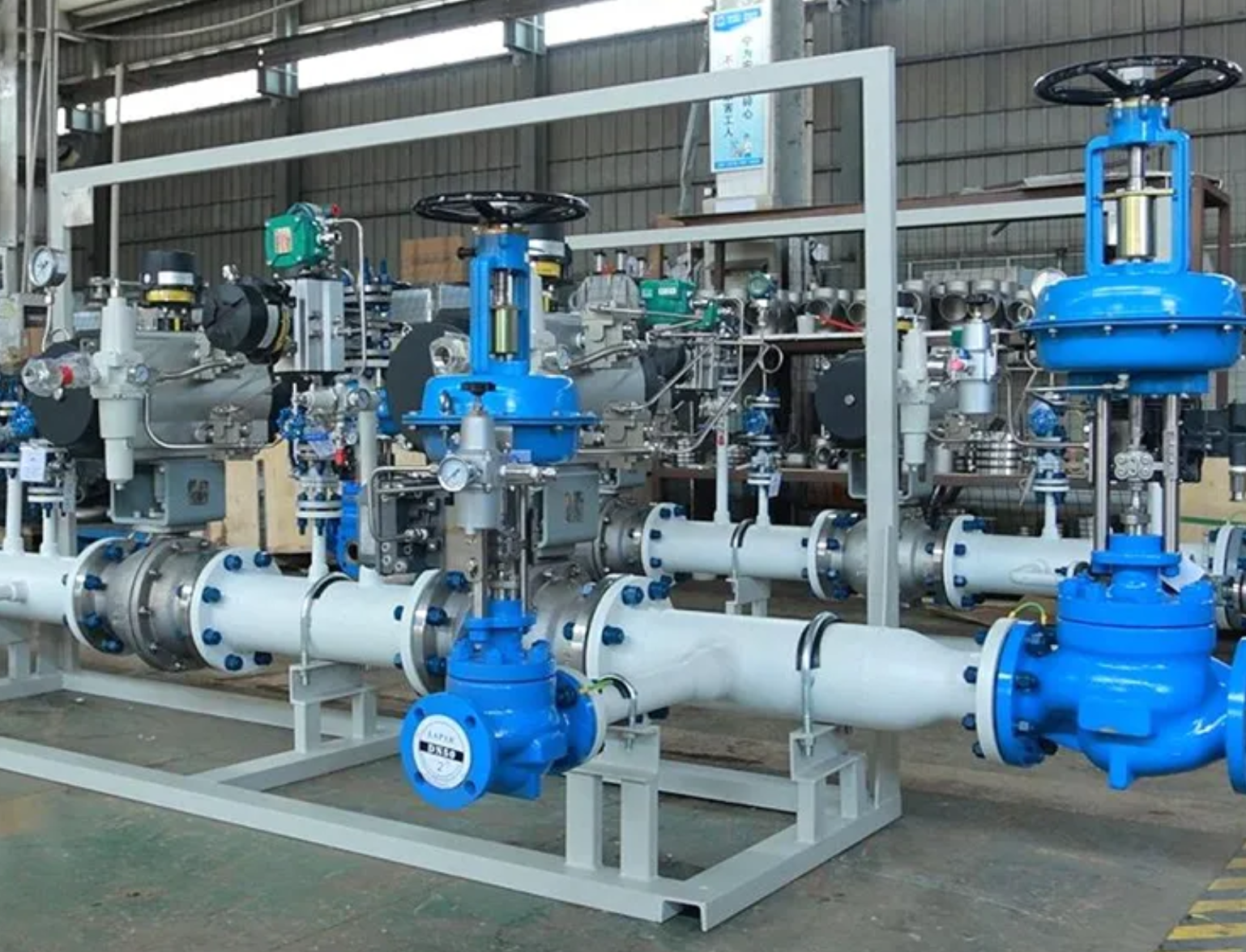
After the design basis is confirmed, the physical layout should be reviewed in detail. A good skid layout is not only compact but also practical. It should allow enough space for operation, maintenance, inspection, lifting, and component replacement. Valves, instruments, filters, pumps, heat exchangers, and control cabinets should be arranged in a way that supports safe access and clear process flow. A skid that looks well organized on paper may still create problems if maintenance access is limited or if critical components are placed too close together.
Material selection is another major point that must be confirmed before final approval. Pipe materials, equipment materials, structural steel, coatings, gaskets, seals, insulation, and fasteners should all match the actual operating medium and site environment. For corrosive fluids, high temperature applications, outdoor use, coastal areas, or hazardous process conditions, the wrong material choice can significantly reduce equipment life and reliability. Material compatibility should never be assumed; it should be reviewed and confirmed in the design package.
Safety logic is equally important. The skid design should clearly show how the system responds during overpressure, underpressure, overheating, power failure, control failure, or emergency conditions. Pressure relief, isolation, venting, drainage, alarm points, interlocks, and shutdown actions should all be checked before the design is finalized. In custom skid projects, safety should be built into the system logic from the beginning rather than added as a last-minute correction.
Drawings, Testing Scope, And Installation Readiness
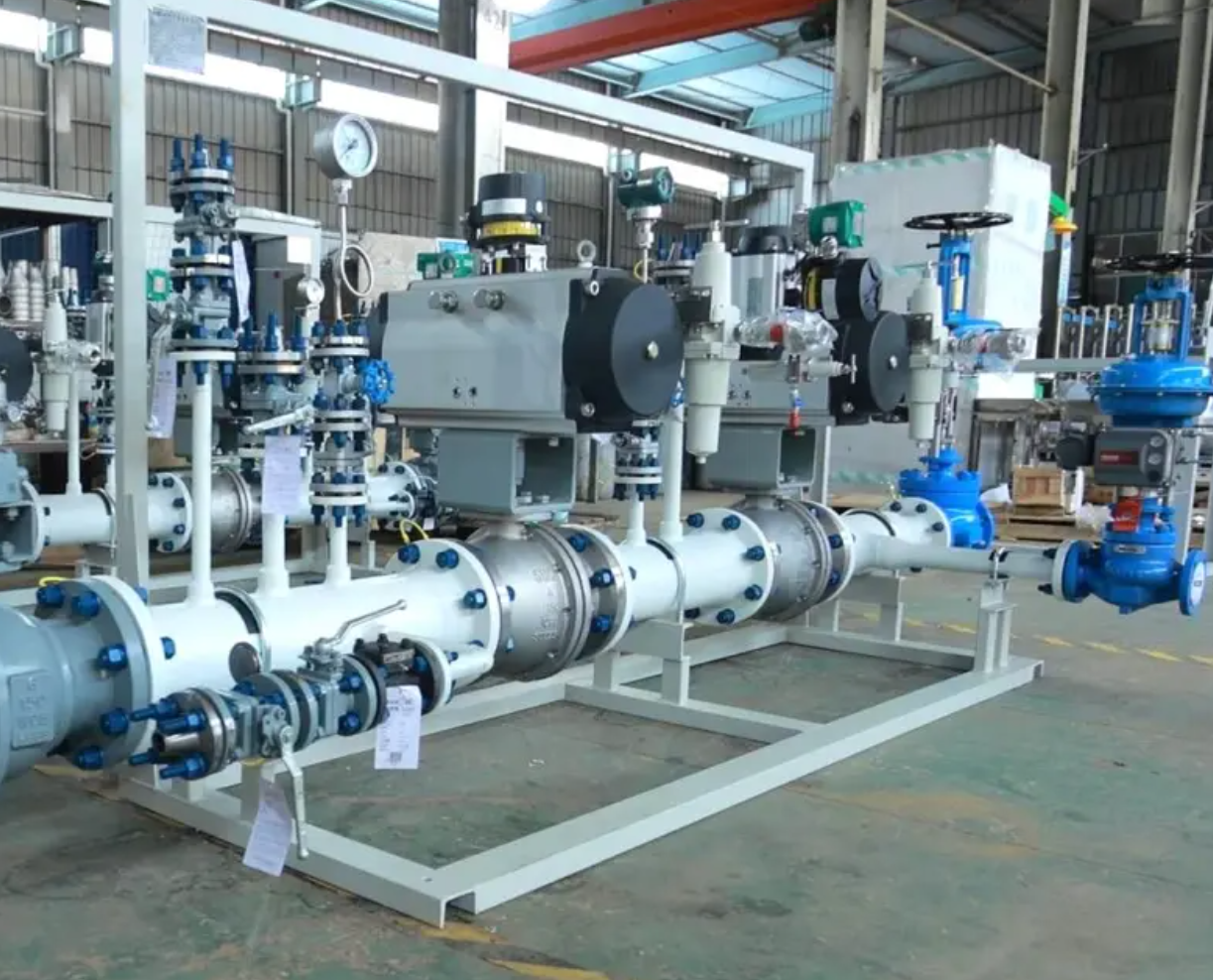
Before finalizing the design, all critical drawings and technical documents should be reviewed as a complete package. This usually includes P&ID, general arrangement drawings, piping layouts, structural details, instrument lists, valve lists, equipment lists, electrical diagrams, and control descriptions. These documents should not be reviewed independently without checking their consistency. A design can appear complete in one drawing while conflicting with another document. Final approval should only happen when the full document package is aligned.
Testing scope should also be confirmed in advance. This includes pressure testing, leak testing, flushing or cleaning requirements, instrument calibration, functional testing, electrical checks, and any factory acceptance testing requirements. If the expected test scope is not defined before design freeze, later disputes may arise about what should be included before shipment. Clear agreement on testing standards and acceptance points helps prevent delays during fabrication and handover.
Installation readiness is the final point that should be checked before the design is closed. The skid dimensions, lifting points, transport limitations, connection directions, foundation requirements, and utility access should all match the site plan. It is also important to confirm whether the skid will arrive as a complete module or in sections for field assembly. A design that is technically correct but difficult to transport, place, connect, or commission can still create major project problems. Finalizing the design should mean the skid is ready not only to be built, but also to be delivered and installed successfully.
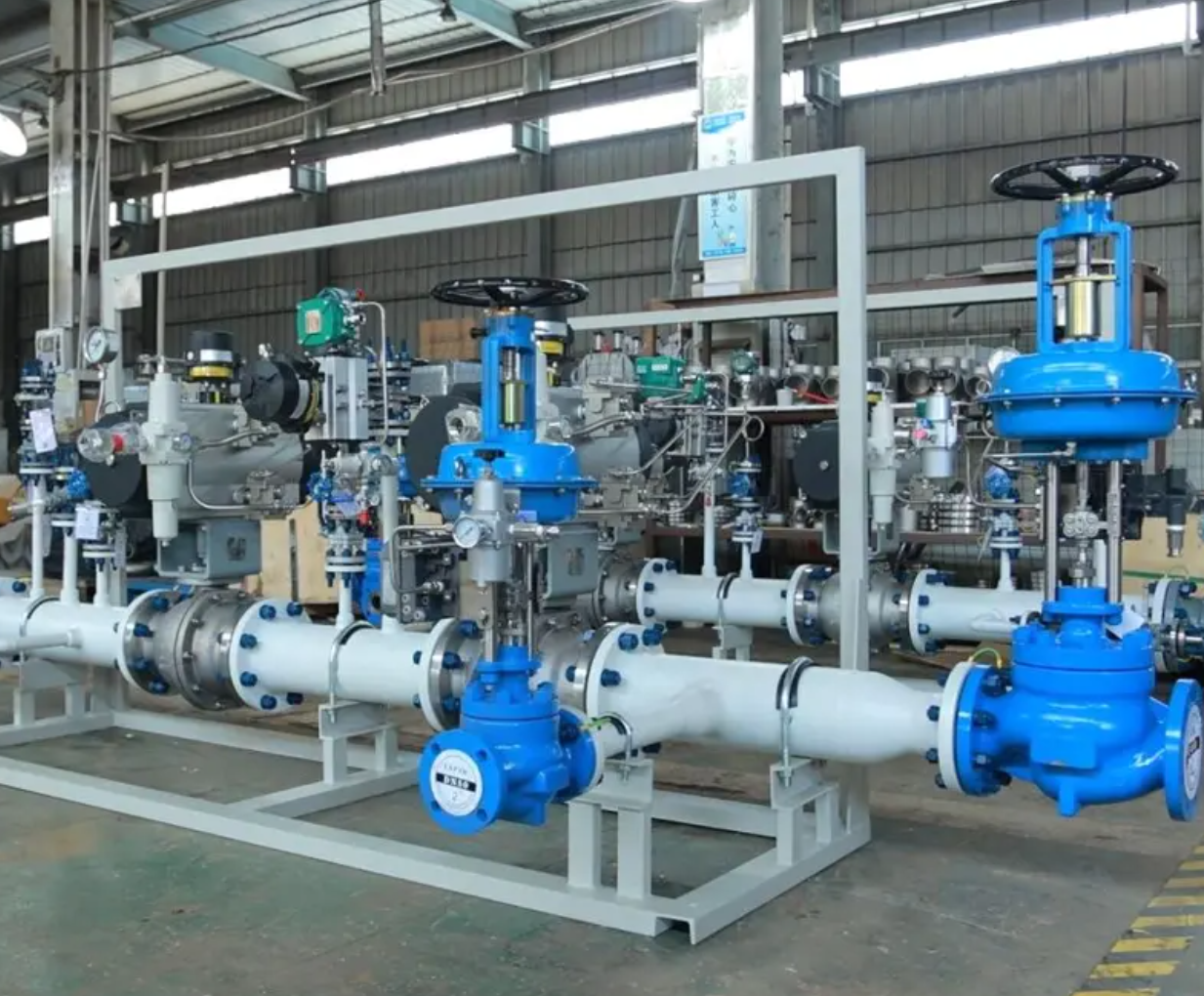
Before finalizing a custom skid design, it is essential to confirm the process data, functional scope, layout practicality, material suitability, safety logic, drawing consistency, testing requirements, and installation readiness. The design stage is where most project risks can either be prevented or created. The more carefully these points are reviewed before approval, the more likely the project will move smoothly through fabrication, delivery, installation, and long-term operation. A well-confirmed skid design is the foundation of reliable project execution.