



What Should Be Confirmed Before Finalizing A Process Skid Design
2026-04-24 15:33A process skid design should not be finalized until the design basis, code path, interfaces, and testing logic are all clear. ASME’s B31.3 guidance explains that process piping in refinery and chemical service is tied to design, fabrication, installation, inspection, and testing as part of one framework. That means a late design change can affect much more than drawings alone.
Process Data And Scope Boundary
The first confirmation should be the actual duty: design pressure, temperature, fluid characteristics, flow range, upset conditions, and what equipment is inside or outside skid scope. If the process basis is still moving, the skid is not truly ready for final release.
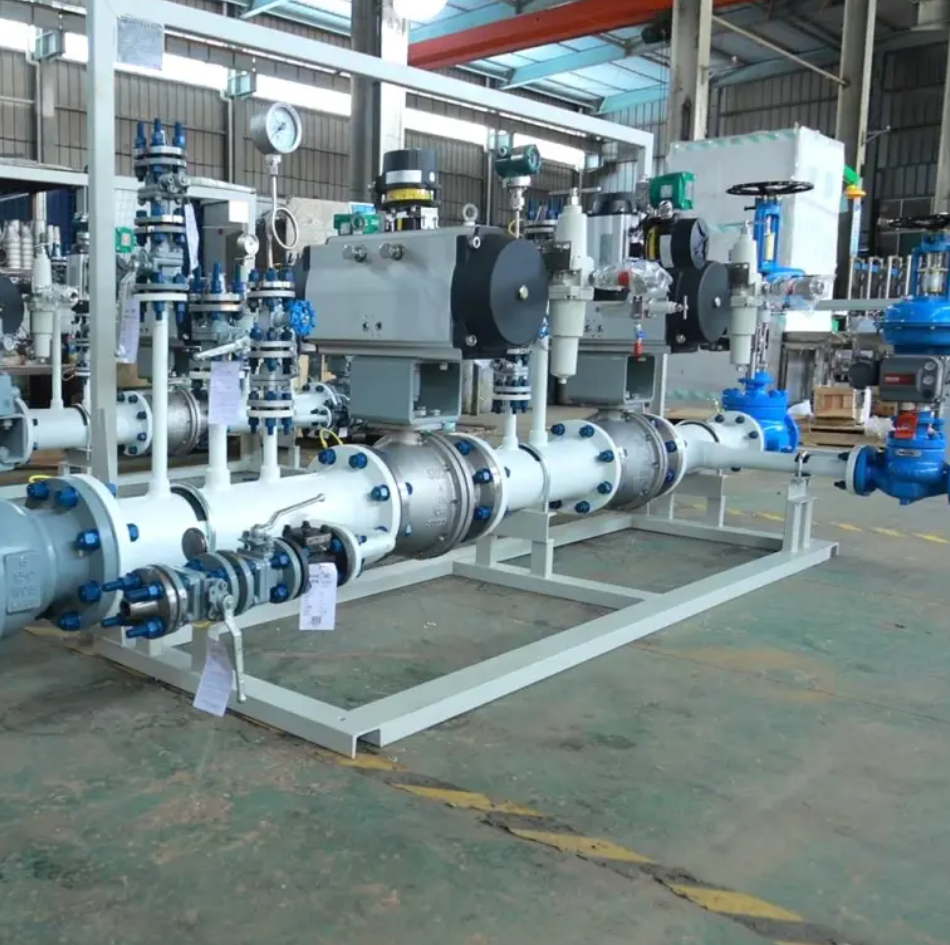
Code, Layout, And Hazard Path
The second confirmation is the engineering path: which code applies, how the layout supports maintenance and control, and whether any hazardous-area or special instrumentation requirements are already accounted for. A skid can look complete on paper but still create site rework if these items were not locked earlier.
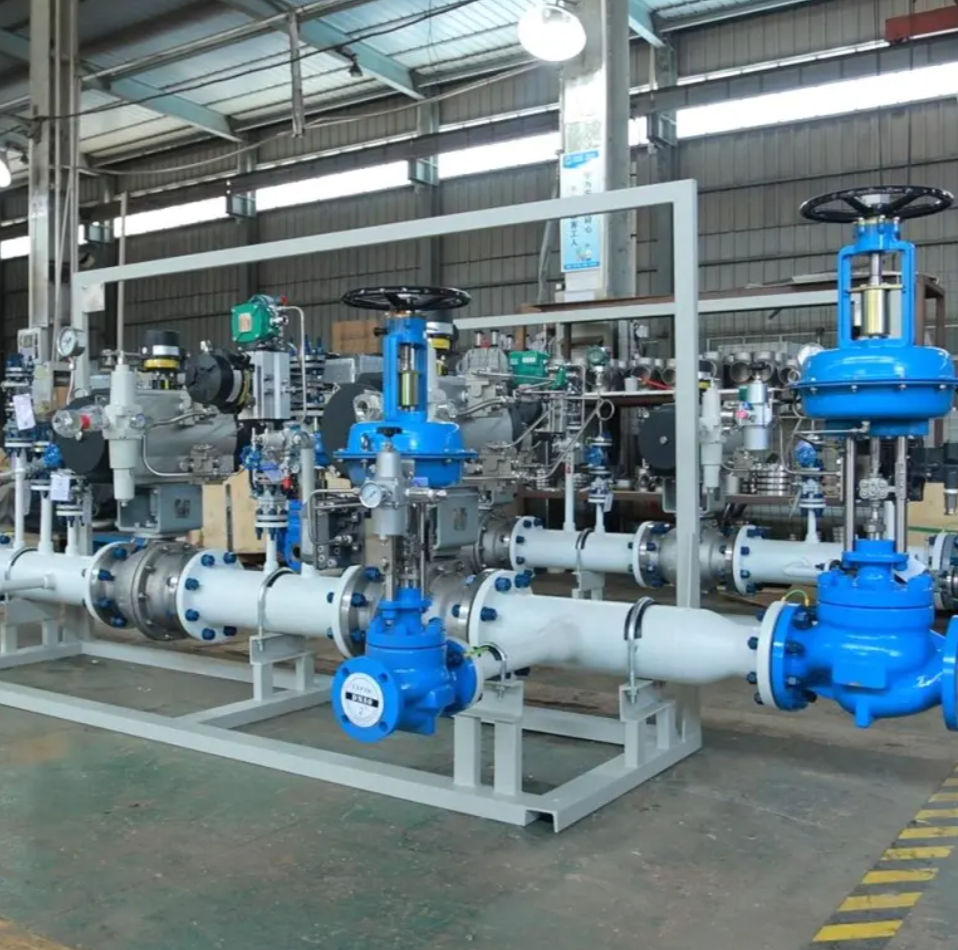
FAT And Document Package
A process skid design is only really closed when the team also knows how it will be tested and what documents will be handed over. Test scope, drawings, lists, manuals, and acceptance criteria should all be defined before fabrication moves too far. Otherwise mechanical completion may still fail to become delivery readiness.
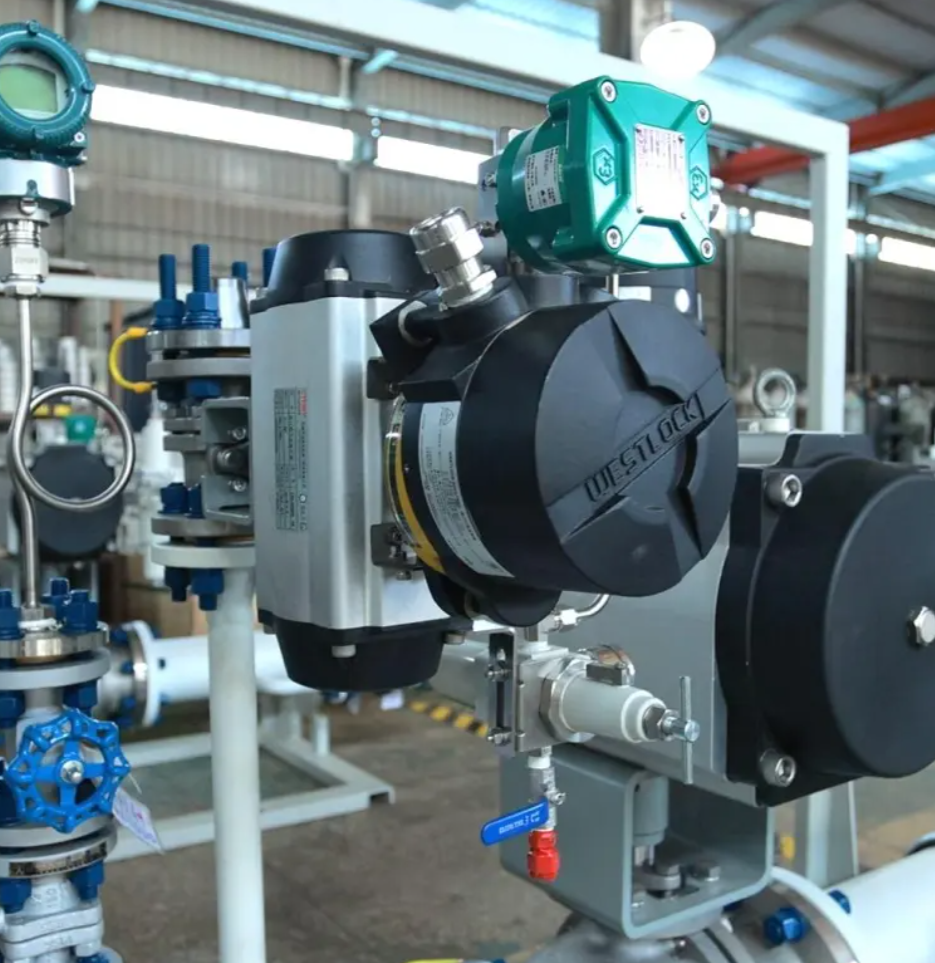
Before finalizing a process skid design, the most important checks are process basis, code path, interface boundary, and proof strategy. When these are confirmed early, engineering, fabrication, FAT, and delivery are much more likely to stay aligned.