


News
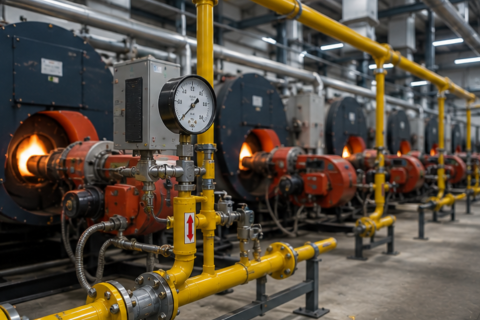
How To Fix Unstable Gas Pressure Before Industrial Burners project guide covering Shenqi gas pressure steam pressure skid module valve commissioning and RFQ checks.
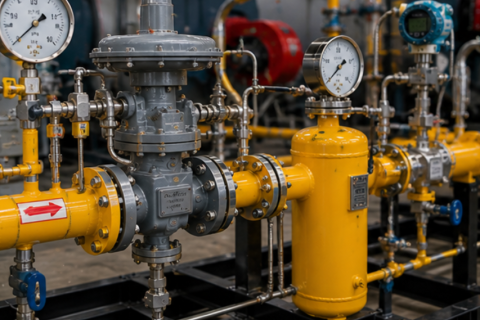
Why Gas Pressure Drops When Multiple Boilers Start At The Same Time project guide covering Shenqi gas pressure steam pressure skid module valve commissioning and RFQ checks.
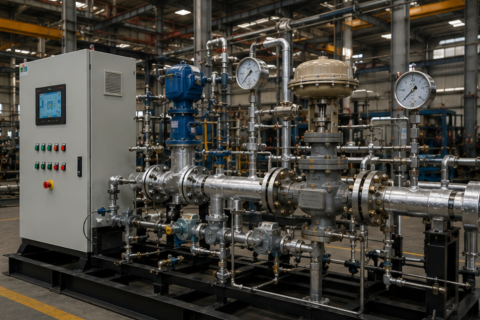
Common mistakes in custom skid-mounted system design include using pipe size as the only design basis, ignoring low-load and peak-load conditions, treating safety devices as optional items, leaving insufficient maintenance access, and separating mechanical layout from control logic. A properly designed custom skid-mounted system should be based on real working conditions, complete safety review, correct component selection, practical layout, factory testing, and clear project documentation.
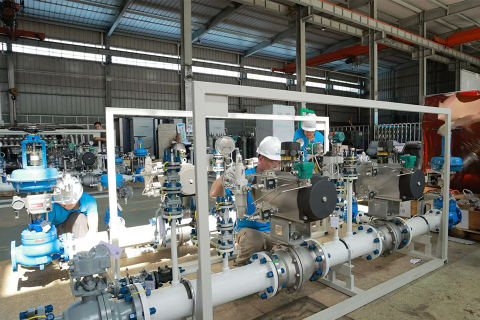
Temperature Pressure Reducing Device buyer guide with RFQ checklist, installation risk points, supplier comparison, internal product links, FAQ and.
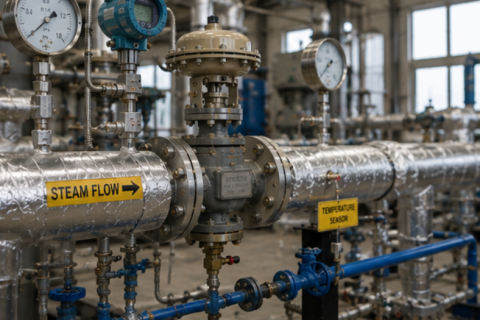
Steam temperature may still be too high after pressure reduction because pressure reduction alone cannot always provide the required outlet steam temperature. The problem may be caused by missing desuperheating, insufficient spray water, poor nozzle atomization, wrong sensor location, short straight pipe length, or unsuitable PRDS system design. A properly designed Steam PRDS system can help reduce pressure, control outlet temperature, protect downstream equipment, improve process stability, and support safer long-term steam system operation.

Burner Pressure Regulating Skid buyer guide with RFQ checklist, installation risk points, supplier comparison, internal product links, FAQ and project.
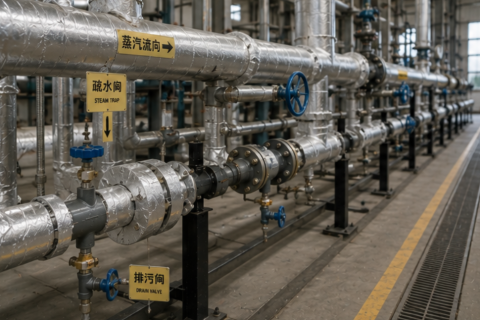
Water hammer in steam pressure reducing systems is usually caused by condensate accumulation, poor drainage, fast valve opening, incorrect pressure reducing valve sizing, blocked strainers, wrong pipe slope, or poor startup operation. A properly designed steam pressure reducing skid can help improve drainage, stabilize pressure reduction, reduce vibration, protect valves and instruments, and support safer long-term steam system operation.
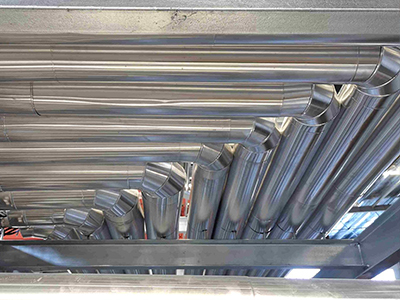
Natural Gas Measuring Skid buyer guide with RFQ checklist, installation risk points, supplier comparison, internal product links, FAQ and project inquiry.
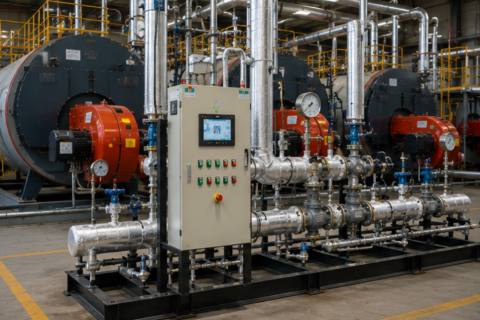
Steam pressure fluctuation in boiler room systems may be caused by sudden load changes, incorrect PRV sizing, blocked strainers, condensate accumulation, poor drainage, unstable boiler operation, undersized piping, or poor skid layout. A properly designed steam pressure reducing skid can help stabilize outlet pressure, protect downstream production equipment, reduce control valve hunting, improve monitoring, and support safer long-term steam system operation.
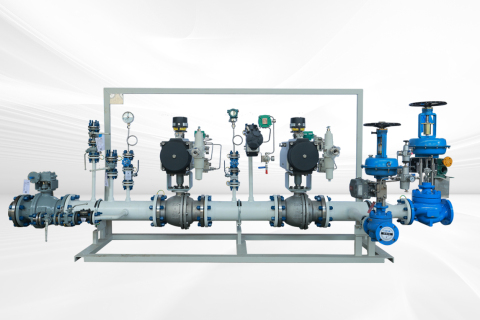
Temperature & Pressure Reducing Device buyer guide with RFQ checklist, installation risk points, supplier comparison, internal product links, FAQ and.