News
Single-stage and two-stage gas pressure regulation each have clear advantages. Single-stage regulation is compact, economical, and suitable for stable applications with moderate pressure reduction. Two-stage regulation provides better pressure stability, higher outlet accuracy, smoother operation, and stronger reliability for high-pressure or critical industrial projects. The best choice should be based on real working conditions, including inlet pressure, outlet pressure, flow range, pressure ratio, downstream process sensitivity, operating continuity, safety requirements, and maintenance expectations. A professional gas pressure regulating skid should be selected through engineering evaluation, not only by comparing equipment price.
A gas pressure regulating skid specification should be a practical engineering document, not just a simple request for price. It should define the full working condition, equipment scope, design basis, material requirements, instrument needs, safety philosophy, test expectations, and documentation package. When the specification is complete, the supplier can provide a more accurate technical proposal, and the buyer can evaluate quotations more fairly and reduce project risk. For industrial projects, a detailed specification is one of the best ways to improve procurement efficiency, avoid change orders, and ensure that the final skid performs safely and reliably in real operating conditions.
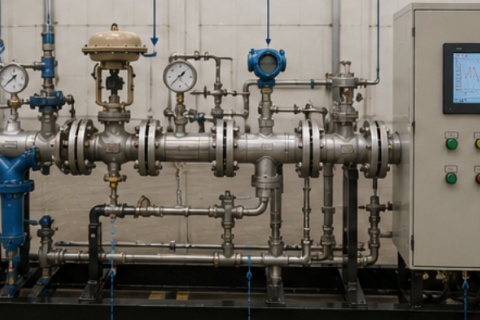
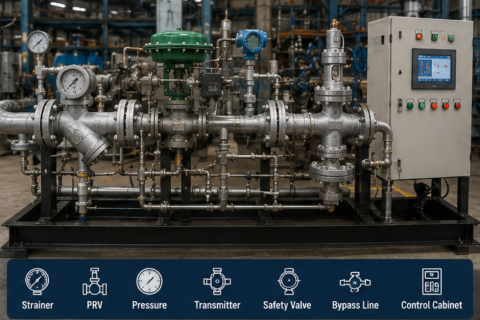
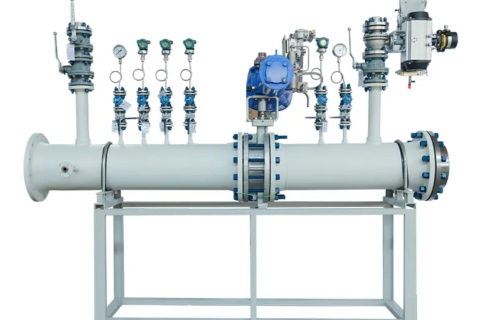
A gas pressure regulating skid is a critical modular system used to control, reduce, filter, monitor, and protect gas flow in industrial projects. Choosing the right skid is not only about price. It directly affects pressure stability, safety performance, installation efficiency, operating reliability, and long-term maintenance cost.
What matters most in ASME pressure vessel work is not one isolated detail, but the continuity between code basis, fabrication quality, inspection evidence, and final testing. A strong vessel project is one where all four stay connected from beginning to handover.
Prefabricated piping spools reduce installation time and site welding risk because they move more fabrication into a controlled environment, reduce field hot work, and make site assembly faster and more predictable. The value is not only speed; it is also reduced project uncertainty.
Before pressure regulation and metering, the most important things to remove or control are moisture, acid gases such as H2S and CO2, and solid or liquid contaminants that threaten equipment or measurement quality. Clean gas is not only a quality target; it is also a control and reliability requirement.
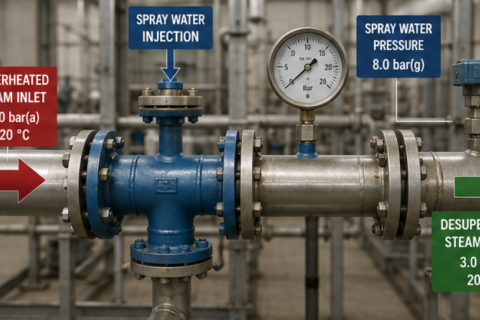
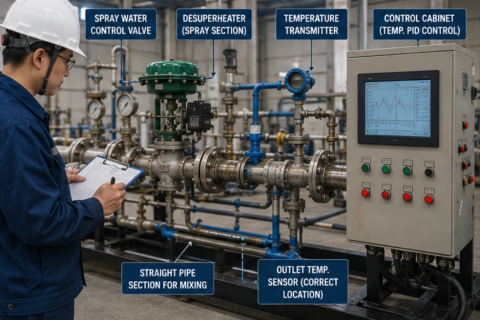
To improve steam temperature control, pressure reducing and desuperheating stations should match the desuperheater type to the duty, ensure proper atomization and mixing, and verify control performance across the full operating range. Good temperature control is a station-level result, not a nozzle-level feature.
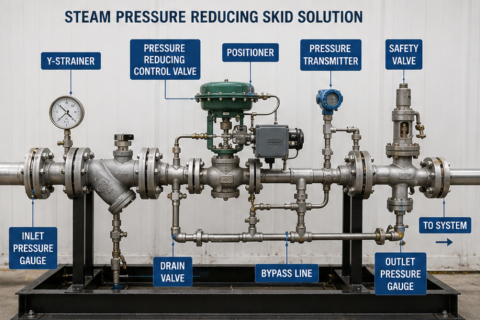
To reduce condensate problems, steam pressure reducing systems should focus on three things: dry the steam before control, drain the piping and station correctly, and keep traps and protection devices working properly. Most chronic condensate trouble is a system problem, not just a valve problem.
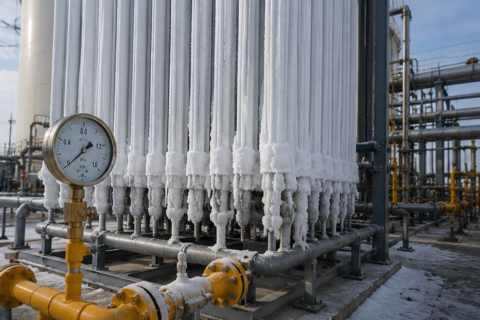
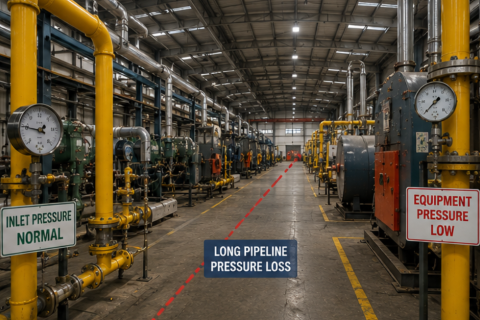
To prevent pressure drop and freeze-up, gas regulator systems should be sized for the real duty, protected from moisture and debris, and designed with good venting and maintenance arrangements. In most cases, freeze-up is not just a weather problem; it is a system-design problem.
Before finalizing a process skid design, the most important checks are process basis, code path, interface boundary, and proof strategy. When these are confirmed early, engineering, fabrication, FAT, and delivery are much more likely to stay aligned.