

- Home
- >
- News
- >
- Industry news
- >
News
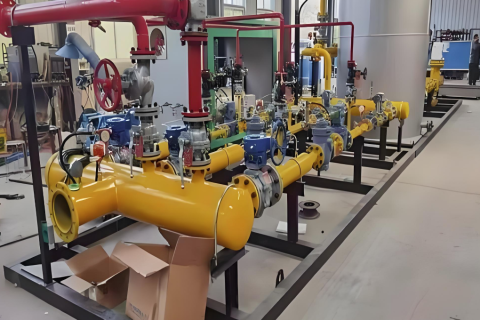
In industrial operations, unplanned downtime is the enemy of productivity and profitability. A single pressure surge or supply interruption can halt production for hours or even days. Gas pressure regulating skids serve as the first and most critical line of defense against these disruptive events. This article explores the three key ways these engineered systems act as silent guardians, preventing costly plant shutdowns.
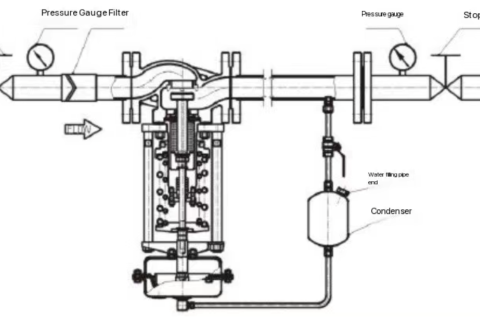
In industrial processes, steam and high-pressure fluids are essential workhorses. However, uncontrolled temperature and pressure are not just inefficient—they are costly and dangerous. Temperature & Pressure Reducing Devices (TPRDs) are critical control units that transform raw utility inputs into precise, safe, and efficient process energy, directly impacting your bottom line.
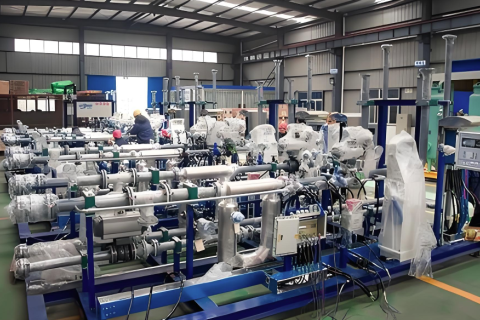
When evaluating project options, the lower initial price of a traditional field-built system can be tempting. However, this short-term saving often masks the true long-term cost. Skid-mounted systems represent a fundamentally smarter investment, delivering superior value over the entire asset lifecycle through unparalleled efficiency, risk reduction, and operational excellence.
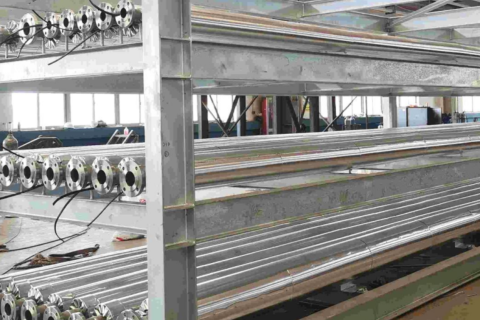
The promise of prefabricated pipeline spools is faster project execution. But this promise is only realized if the spools arrive on-site perfectly prepared for installation. Any error can lead to costly delays. This guide outlines the critical steps, from specification to logistics, to guarantee your spools are truly "site-ready."
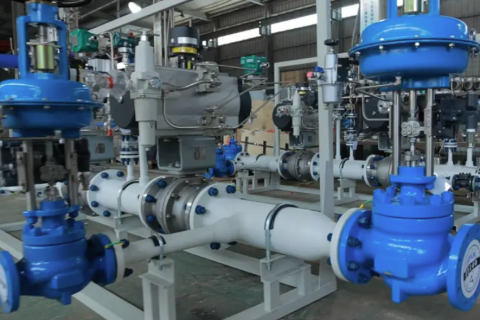
Faced with a new project, the "do-it-yourself" approach of field-assembling components from multiple vendors can seem cost-effective. However, this path is fraught with hidden risks, delays, and compromises. This article explains why opting for a custom-engineered skid from an integrated supplier like Shanghai Shenqi is the smarter, safer, and more economical choice every time.
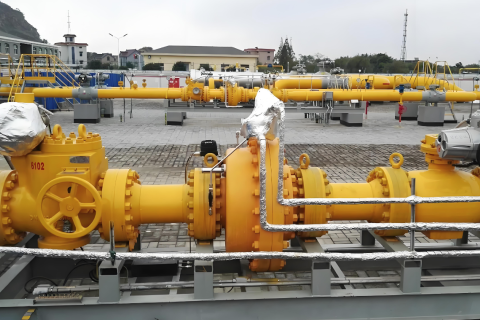
In the world of natural gas handling, safety is not an added feature—it is the foundational principle of design. Modern gas pressure regulating skids are engineered with layers of protection to create inherently safe systems. This article explores the critical built-in safety features that make skids from reputable manufacturers like Shanghai Shenqi the trusted choice for critical applications.
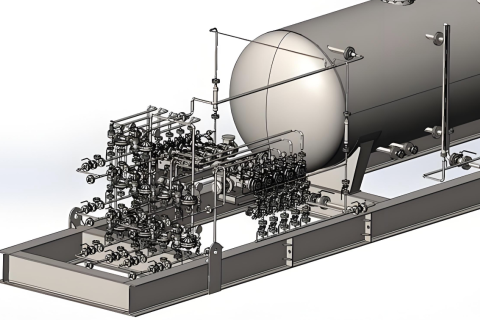
In the complex world of industrial processes, precision is everything. Chemical injection skids may not be the largest equipment on site, but they are vital master systems that ensure efficiency, safety, and asset integrity. This article breaks down how these precision-engineered units deliver big results through meticulous control.

The natural gas industry is evolving at a rapid pace, demanding agility and efficiency that traditional construction methods can no longer provide. Enter the era of "plug-and-play" skid-mounted systems—a revolution that is transforming how we build, expand, and upgrade gas infrastructure. This article explores how this modular approach is setting new benchmarks for speed, flexibility, and reliability.
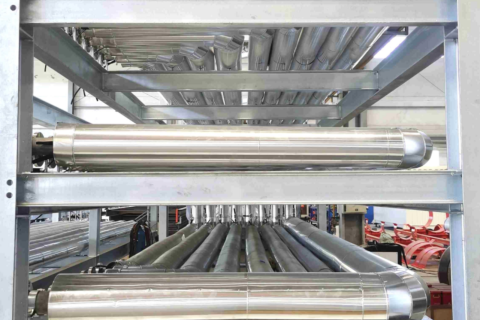
In today's fast-paced industrial landscape, project delays are costly. Prefabricated pipelines are revolutionizing construction, offering a smarter, faster, and more reliable alternative to traditional field welding. Discover how this "modular magic" is setting new standards for efficiency and quality
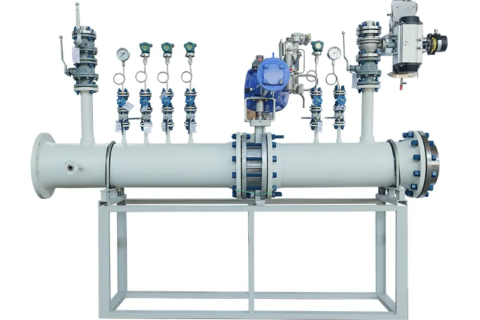
As the world shifts towards cleaner energy, LNG is playing a pivotal role. Behind the scenes, LNG skid modules are the critical, yet often overlooked, components making this transition faster, smarter, and more efficient. Discover how these modular powerhouses are accelerating global clean energy access
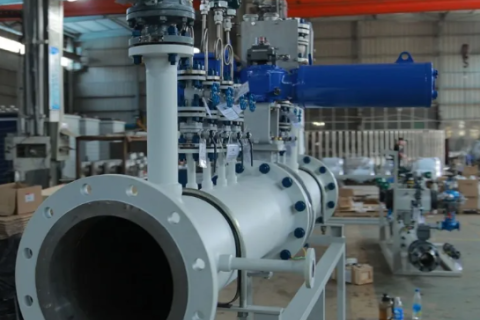
The integration of smart valve positioners with modern control systems marks a fundamental advancement in industrial automation. It transcends simple actuation, delivering micron-level precision, enabling a proactive maintenance paradigm through rich data transmission, and forming the critical sensory layer for the intelligent plant of the future. This synergy between mechanical control and digital intelligence is not merely an upgrade—it is the bedrock for enhanced safety, unmatched efficiency, and data-driven operational excellence in process industries worldwide.
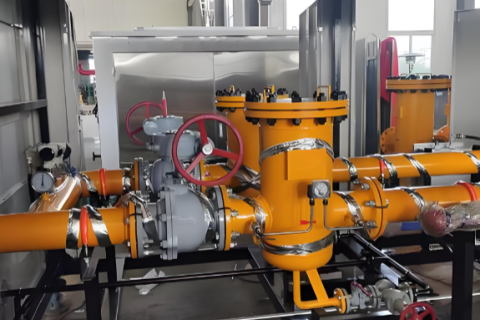
From production to purification, compression to dispensing, skid-mounted equipment is the indispensable building block of the emerging hydrogen infrastructure. Its core advantages—speed of deployment, scalability, standardized quality, and cost-effectiveness—directly address the key challenges of building a new energy network. By leveraging modular technology, the hydrogen industry can accelerate its growth, reduce capital risk, and create a flexible, adaptable ecosystem capable of evolving with technological advancements and market demands.