

- Home
- >
- News
- >
- Procurement Guide
- >
News
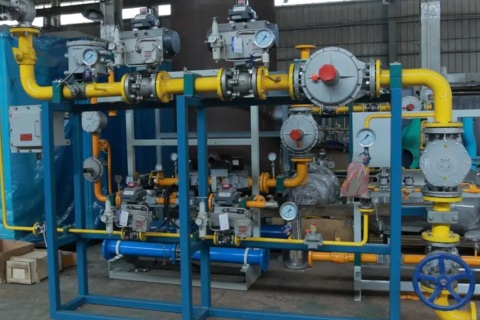
Choosing a gas metering and regulating skid for industrial projects requires a complete review of gas conditions, metering accuracy, regulator design, safety devices, instruments, layout, testing, calibration, and documentation. A reliable skid should not only reduce pressure but also measure gas flow accurately and protect downstream equipment. For buyers, the safest procurement approach is to provide complete working conditions and compare suppliers by system engineering capability, not price alone. A well-designed skid can improve pressure stability, metering reliability, installation efficiency, and long-term operational safety.
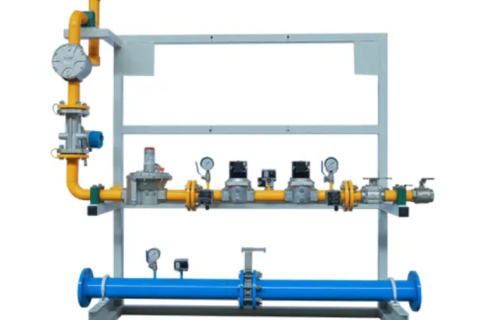
Reducing noise and vibration in steam pressure reducing systems requires a complete engineering approach. Buyers should review pressure drop, valve sizing, valve trim, actuator stability, steam velocity, piping layout, pipe supports, drainage, desuperheating performance, testing, and commissioning. A well-designed steam pressure reducing system can provide stable pressure, lower noise, reduced vibration, longer valve life, safer operation, and lower maintenance cost. For industrial projects, these factors should be confirmed before procurement to avoid expensive site problems later.
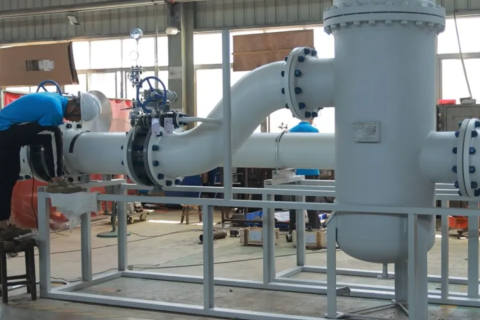
Documents are a key part of steam pressure reducing skid procurement. Buyers should provide complete technical data before quotation and request clear proposal documents, approved engineering drawings, inspection records, test reports, delivery documents, and operation manuals from the supplier. A complete document package reduces procurement risk, improves technical communication, supports factory inspection, simplifies site installation, and helps future maintenance. For customized steam pressure reducing skids, good documentation is just as important as good equipment.
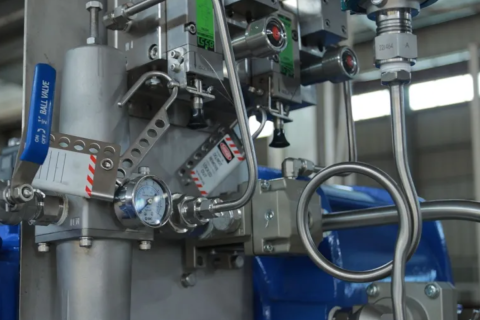
Selecting a skid-mounted steam control system for boiler rooms requires a complete review of steam parameters, downstream pressure requirements, control valve sizing, instrumentation, safety protection, drainage, layout, testing, and documentation. A good system should provide stable steam pressure, safe operation, easy maintenance, and reliable long-term performance. For project buyers, the best approach is to provide complete working conditions and work with a supplier that can design the steam control skid as a complete engineered package rather than a simple valve assembly.
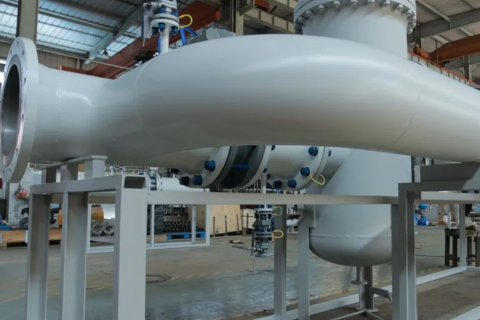
Spray water conditions play a major role in steam desuperheating performance. Water pressure affects atomization, water flow affects cooling capacity, water temperature affects heat absorption, and water quality affects nozzle reliability and long-term maintenance. For industrial steam systems, buyers should provide complete spray water data before ordering a desuperheater. A well-designed system combines proper nozzle selection, stable spray water control, accurate temperature feedback, suitable piping layout, and reliable drainage to achieve stable outlet steam temperature and safe operation.
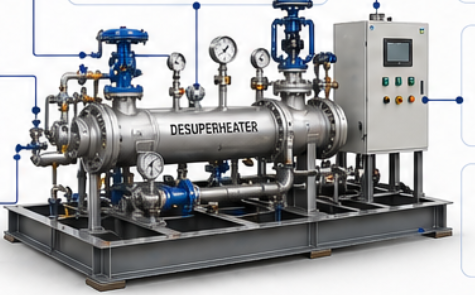
Ordering a steam desuperheater requires careful review of steam conditions, spray water conditions, atomization quality, control method, piping layout, drainage, testing, and documentation. A desuperheater that is selected only by pipe size or price may fail to provide stable temperature control in real operation. For industrial buyers, the safest approach is to provide complete process data and work with a supplier that can review the full steam pressure reducing and desuperheating system. Correct selection helps improve temperature stability, protect downstream equipment, reduce water carryover, and improve long-term system reliability.
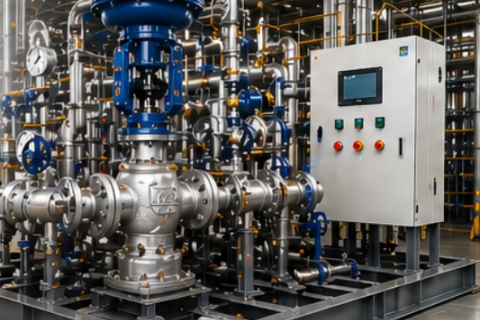
A steam pressure reducing skid and traditional piping assembly can both be used for industrial steam pressure control. However, a skid-mounted system usually offers stronger advantages in factory quality control, shorter installation time, easier inspection, clearer scope management, and lower site risk. Traditional piping assembly may still be suitable when the system is simple, site installation resources are strong, or layout flexibility is more important. For projects that require stable pressure control, desuperheating, instrumentation, factory testing, and reduced installation risk, a skid-mounted steam pressure reducing system is often the better choice.
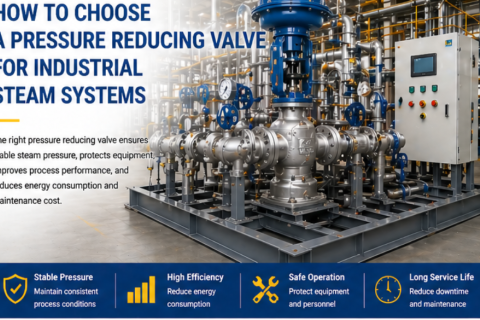
A pressure reducing valve is one of the most important components in an industrial steam system. It reduces high-pressure steam to a stable and usable pressure for downstream process equipment such as heat exchangers, dryers, reactors, sterilizers, boiler auxiliaries, and production lines. Choosing the right steam pressure reducing valve requires more than matching pipe size. Buyers need to evaluate inlet pressure, outlet pressure, steam temperature, flow range, pressure drop, control accuracy, valve trim, actuator type, noise level, safety protection, and maintenance requirements.
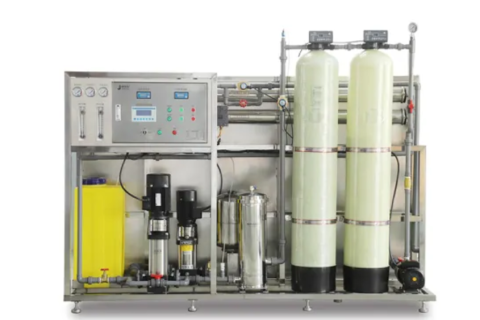
The most common mistakes in steam pressure reducing system procurement include incomplete steam data, price-only comparison, poor control valve selection, missing safety and layout details, and unclear testing requirements. These mistakes can lead to unstable pressure, excessive noise, temperature control problems, installation delays, and higher maintenance costs. A safer procurement process starts with complete technical information and a clear scope of supply. Buyers should work with a manufacturer that can review the full steam system, not only provide individual components. A well-specified steam pressure reducing system improves process stability, safety, and long-term reliability.
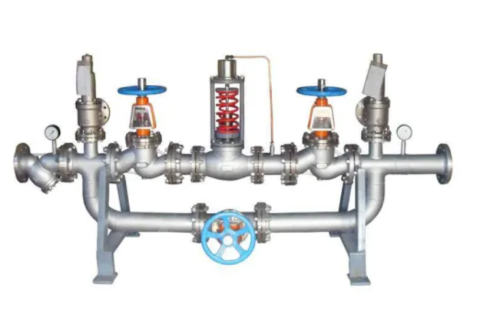
Stable steam pressure for industrial process lines depends on more than a single pressure reducing valve. It requires accurate steam demand analysis, correct control valve sizing, reliable instruments, suitable control logic, proper piping layout, safety protection, and thorough testing. For project buyers, the safest approach is to provide complete operating data and work with a manufacturer that can review the system as a complete steam pressure control skid. A well-designed system helps improve production stability, reduce energy waste, protect downstream equipment, and lower long-term maintenance risk.
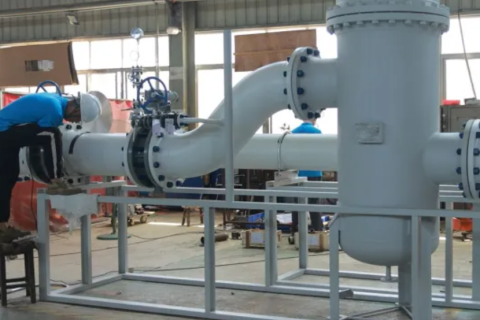
Control valve selection is one of the most important decisions in a steam pressure reducing system. The right valve can provide stable outlet pressure, accurate flow control, lower noise, reduced vibration, longer service life, and safer operation. The wrong valve can cause unstable pressure, excessive noise, erosion, maintenance problems, and poor system performance. For industrial projects, buyers should evaluate control valves based on actual steam pressure, temperature, flow range, pressure drop, valve trim, actuator, positioner, safety requirements, and full skid integration. A reliable steam pressure reducing system depends on correct engineering selection, not only component price.
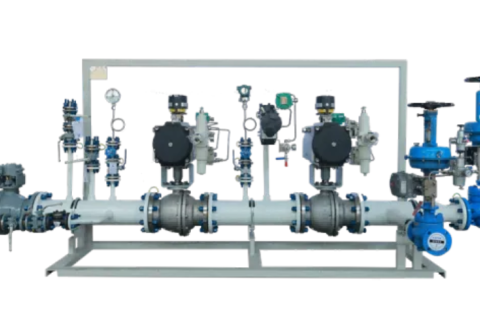
Before quoting a steam pressure control skid, the buyer should prepare complete technical information instead of only asking for a general price. Key data includes steam pressure, temperature, flow range, steam type, spray water conditions, control accuracy, safety requirements, scope of supply, site layout, and documentation needs. A complete inquiry helps the manufacturer select the right valves, desuperheater, instruments, control system, and skid structure. It also helps the buyer receive a more accurate quotation, compare proposals fairly, and reduce procurement risk before production starts.