


- Home
- >
News
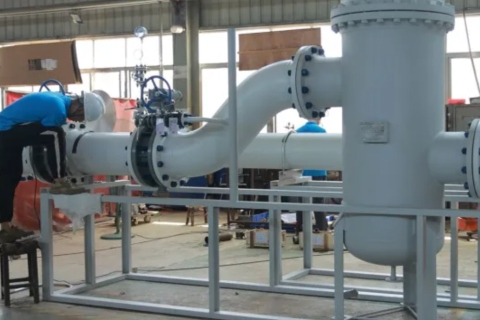
In summary, a Temperature and Pressure Reducing Device (TPRD) is far more than a simple valve; it is an intelligent, self-regulating thermal conditioning station. By mastering the interdependent control of pressure and temperature through the precise integration of pressure reduction and desuperheating technologies, it delivers a stable supply of process-ready steam. This stability is foundational for energy efficiency, product consistency, and operational safety. For industries reliant on precise thermal energy, investing in a custom-engineered, skid-mounted TPRD from an experienced provider like Shanghai Shenqi Machinery is a strategic decision that ensures process reliability, reduces lifecycle costs, and delivers a guaranteed performance from a single, accountable source.
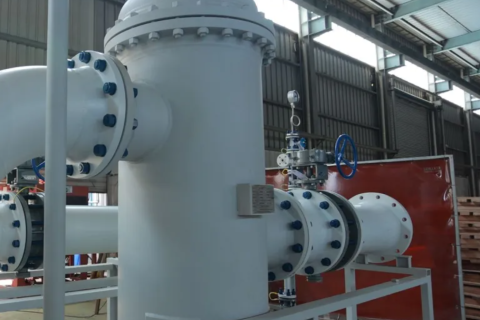
Choosing the right TPR device is a strategic decision that balances precise technical specifications with long-term operational economics. By systematically analyzing process needs, scrutinizing component quality, and evaluating the total cost of ownership, you can select a system that ensures safe, efficient, and reliable steam control for years to come. Expertise from specialized manufacturers is invaluable in navigating these choices to achieve optimal performance and return on investment.
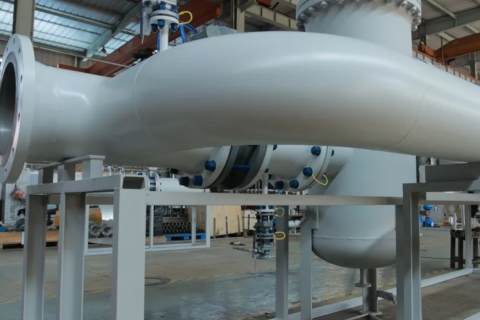
In essence, the Temperature & Pressure Reducing Device is far more than a simple utility component; it is a critical engineering asset that sits at the heart of a safe, efficient, and reliable steam system. By guaranteeing precise process conditions, shielding valuable equipment from harm, and unlocking significant energy savings, the TPRD proves to be an indispensable investment for any industrial operation seeking to maximize productivity, safety, and profitability.
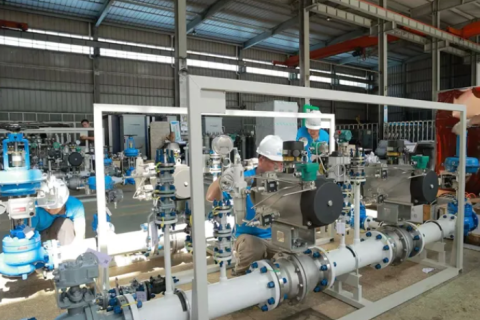
Much like a pacemaker regulates a human heartbeat, the advanced pressure control system in a skyscraper is the unseen guardian of its daily operation. It masterfully overcomes the laws of physics to deliver reliable water supply, ensures critical life safety functions, and drives operational efficiency. As buildings grow taller and smarter, the demand for these sophisticated, integrated, and sustainable pressure management solutions will only intensify, solidifying their role as the indispensable pulse of modern urban architecture.
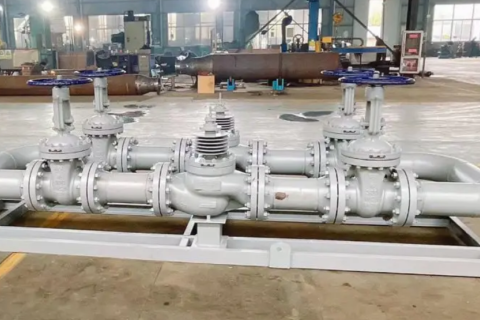
the Gas Pressure Reducing and Distribution Unit is far more than a piece of industrial hardware; it is an indispensable, intelligent life-support system embedded within the hospital's infrastructure. By ensuring precise pressure regulation, enabling resilient distribution, and guaranteeing gas purity, this silent guardian works tirelessly in the background. It is a fundamental pillar of modern clinical safety, directly contributing to positive patient outcomes by providing a reliable foundation for critical therapies and interventions.