


- Home
- >
News
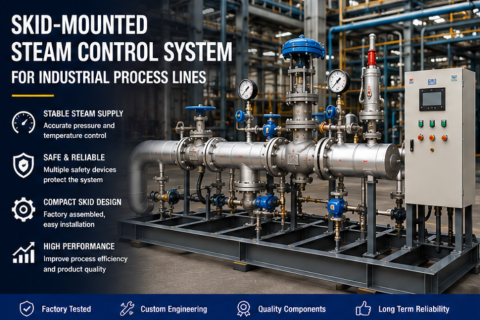
A skid-mounted steam control system for industrial process lines should be designed according to real steam pressure, temperature, flow range, downstream process requirements, control accuracy, safety protection, drainage design, automation interface, and documentation standards. For industrial buyers, a properly engineered skid-mounted system can improve process steam stability, reduce site installation risk, protect downstream equipment, and support long-term production reliability.
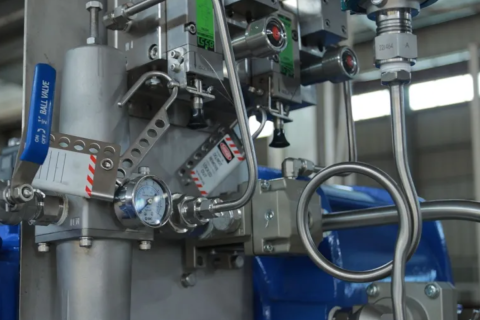
Selecting a skid-mounted steam control system for boiler rooms requires a complete review of steam parameters, downstream pressure requirements, control valve sizing, instrumentation, safety protection, drainage, layout, testing, and documentation. A good system should provide stable steam pressure, safe operation, easy maintenance, and reliable long-term performance. For project buyers, the best approach is to provide complete working conditions and work with a supplier that can design the steam control skid as a complete engineered package rather than a simple valve assembly.
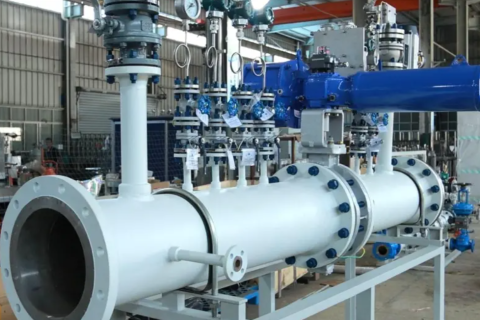
If pressure stability matters, the steam control system must be treated as a complete control environment rather than a single valve. Correct valve selection, proper piping and sensing arrangement, and dry steam with good condensate removal are the three factors that most often determine whether the system runs smoothly over time.
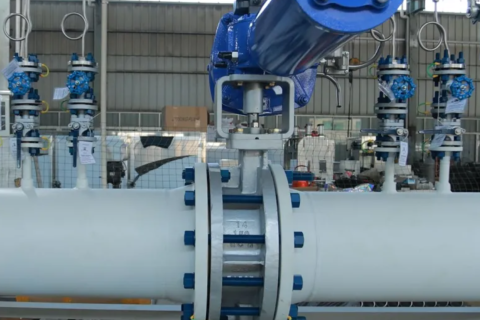
To ensure long-term stability in gas and steam control systems, the focus should be on the whole control environment rather than on one component alone. Correct regulator and valve sizing, sound piping arrangement, effective condensate management, disciplined commissioning, and planned maintenance all work together to protect control accuracy and operating reliability. When these points are confirmed early and managed consistently, gas and steam systems are much more likely to operate safely, efficiently, and steadily over the long term.