


- Home
- >
News
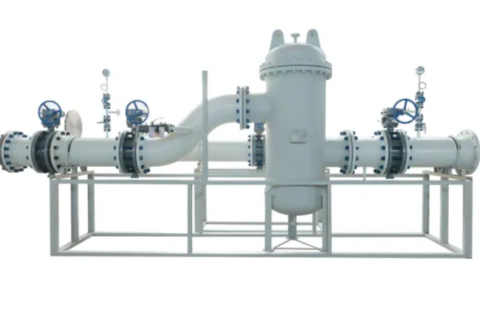
Choosing a steam pressure reducing and desuperheating system requires more than selecting a valve. Buyers need to evaluate the full steam condition, pressure reduction requirement, temperature control target, spray water system, safety protection, instrumentation, skid layout, testing requirements, and supplier engineering capability. A well-designed system can provide stable outlet pressure, accurate steam temperature, safe operation, easier installation, and better long-term reliability. For industrial projects, clear technical data and early engineering review are the best ways to reduce procurement risk.
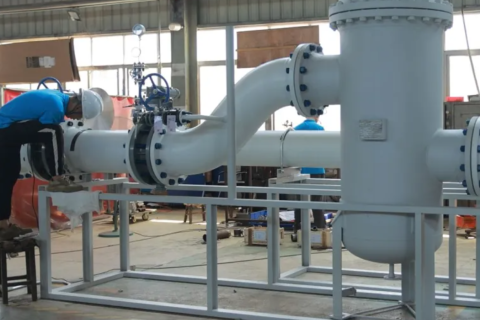
To improve steam temperature control, pressure reducing and desuperheating stations should match the desuperheater type to the duty, ensure proper atomization and mixing, and verify control performance across the full operating range. Good temperature control is a station-level result, not a nozzle-level feature.
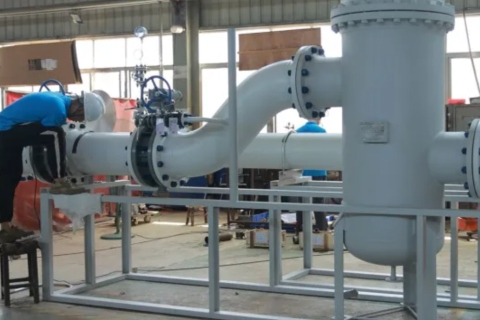
In summary, a Temperature and Pressure Reducing Device (TPRD) is far more than a simple valve; it is an intelligent, self-regulating thermal conditioning station. By mastering the interdependent control of pressure and temperature through the precise integration of pressure reduction and desuperheating technologies, it delivers a stable supply of process-ready steam. This stability is foundational for energy efficiency, product consistency, and operational safety. For industries reliant on precise thermal energy, investing in a custom-engineered, skid-mounted TPRD from an experienced provider like Shanghai Shenqi Machinery is a strategic decision that ensures process reliability, reduces lifecycle costs, and delivers a guaranteed performance from a single, accountable source.