


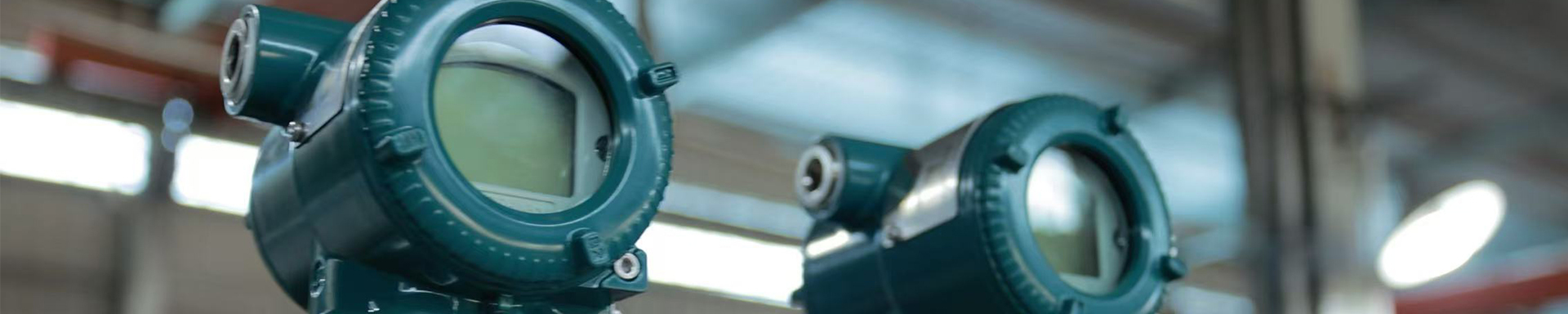
How To Improve Steam Temperature Control In Pressure Reducing And Desuperheating Stations
2026-04-27 15:43Steam temperature control becomes critical when superheated steam must be reduced to a target condition for process use. Spirax Sarco explains that desuperheaters are used when precise reduction of superheated steam temperature is required and that different designs support different atomization and turndown needs. That means temperature control quality depends on more than adding spray water; it depends on correct station design and control range.
Match The Desuperheater Type To The Duty
Spray type, venturi type, and steam-atomizing type designs are not interchangeable in all conditions. Desuperheater selection should follow the steam condition, water quality, turndown, and control objective. A mismatch here often leads to poor evaporation, unstable temperature response, or wide outlet variation.
Improve Water Atomization And Mixing
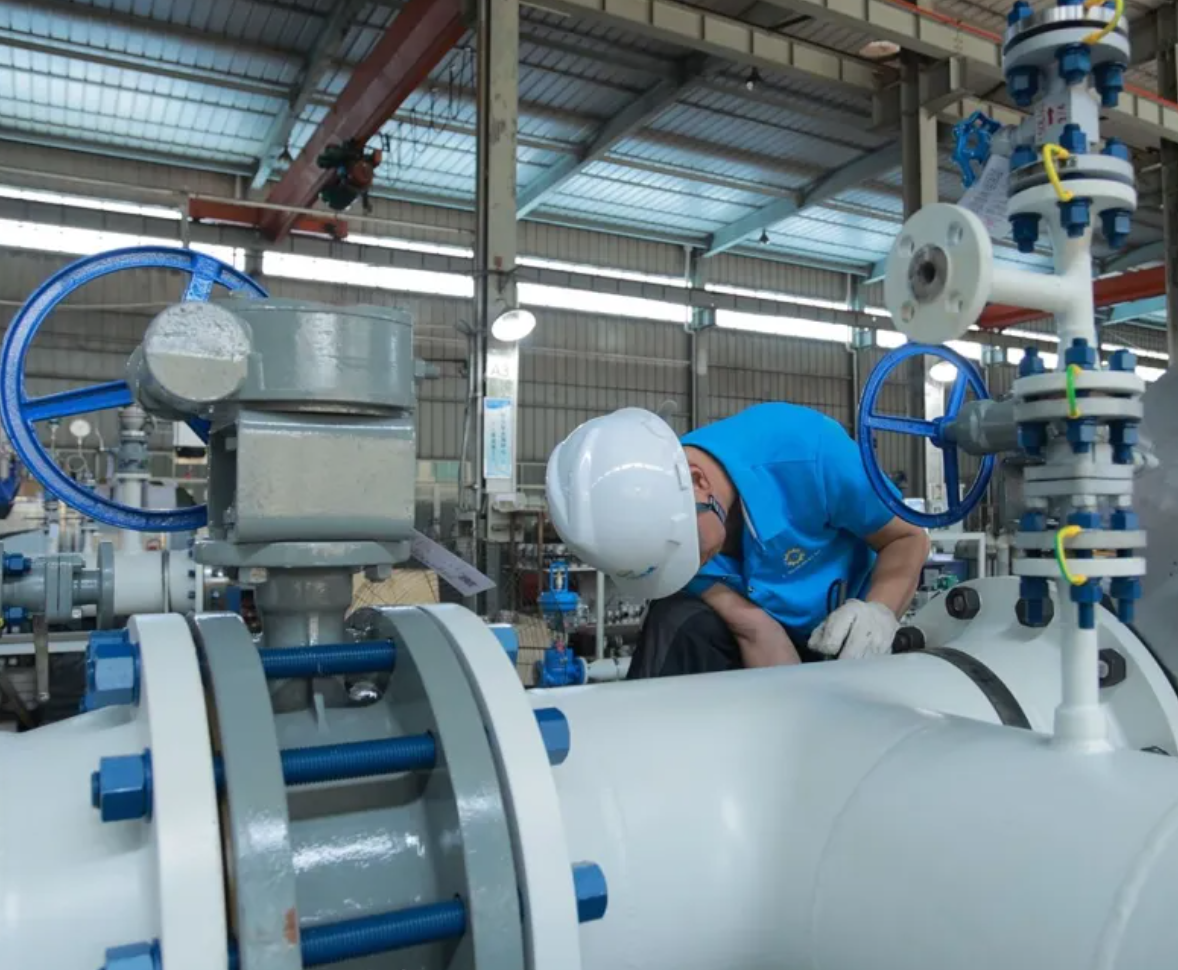
Good temperature control depends on whether the injected water fully atomizes and evaporates inside the available mixing length. If atomization is weak or mixing space is too short, the station may show unstable temperature, wet carryover, or poor downstream repeatability.
Build Around Real Turndown And Process Variation
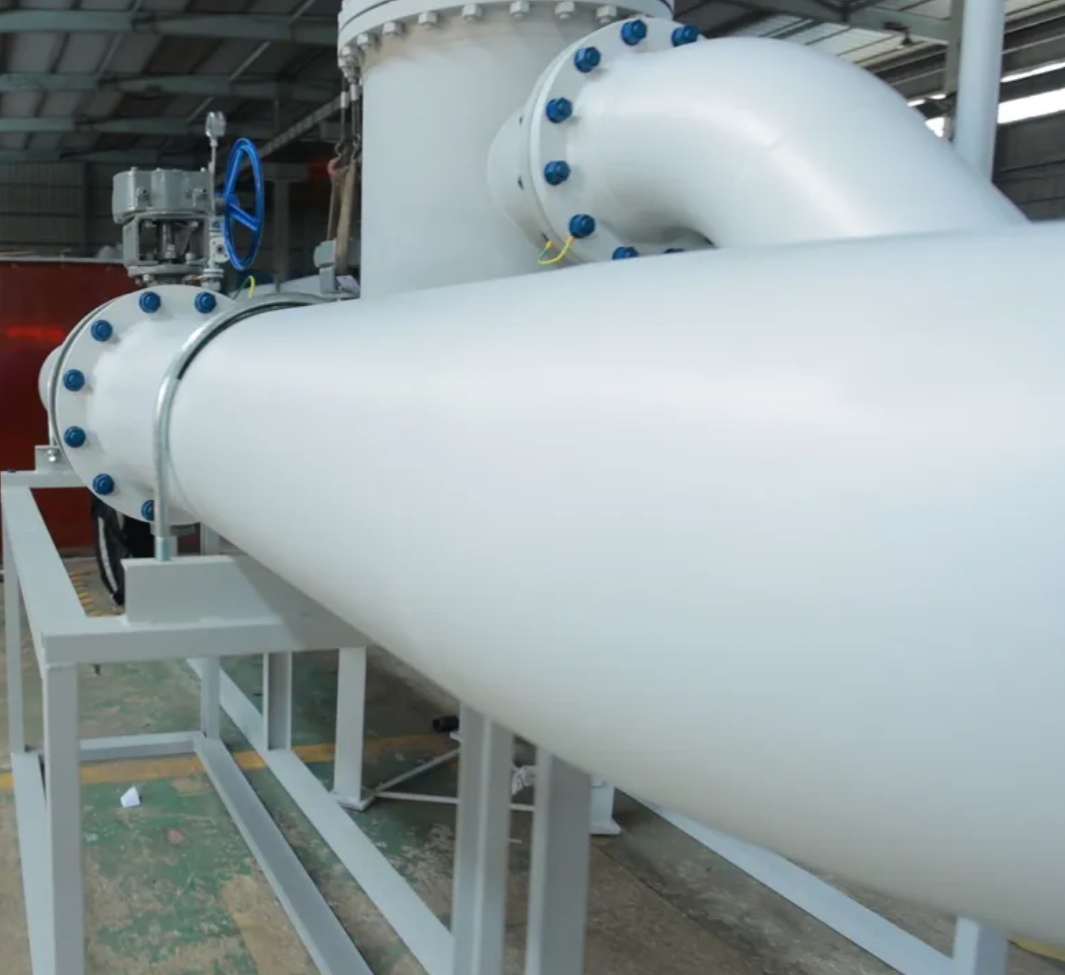
Spirax Sarco notes that desuperheater systems can cover a wide turndown range depending on design. For procurement and design review, this means the station should be checked against startup, low-load, normal-load, and peak-load conditions. A station that only works near one design point will not deliver stable temperature control in real operation.
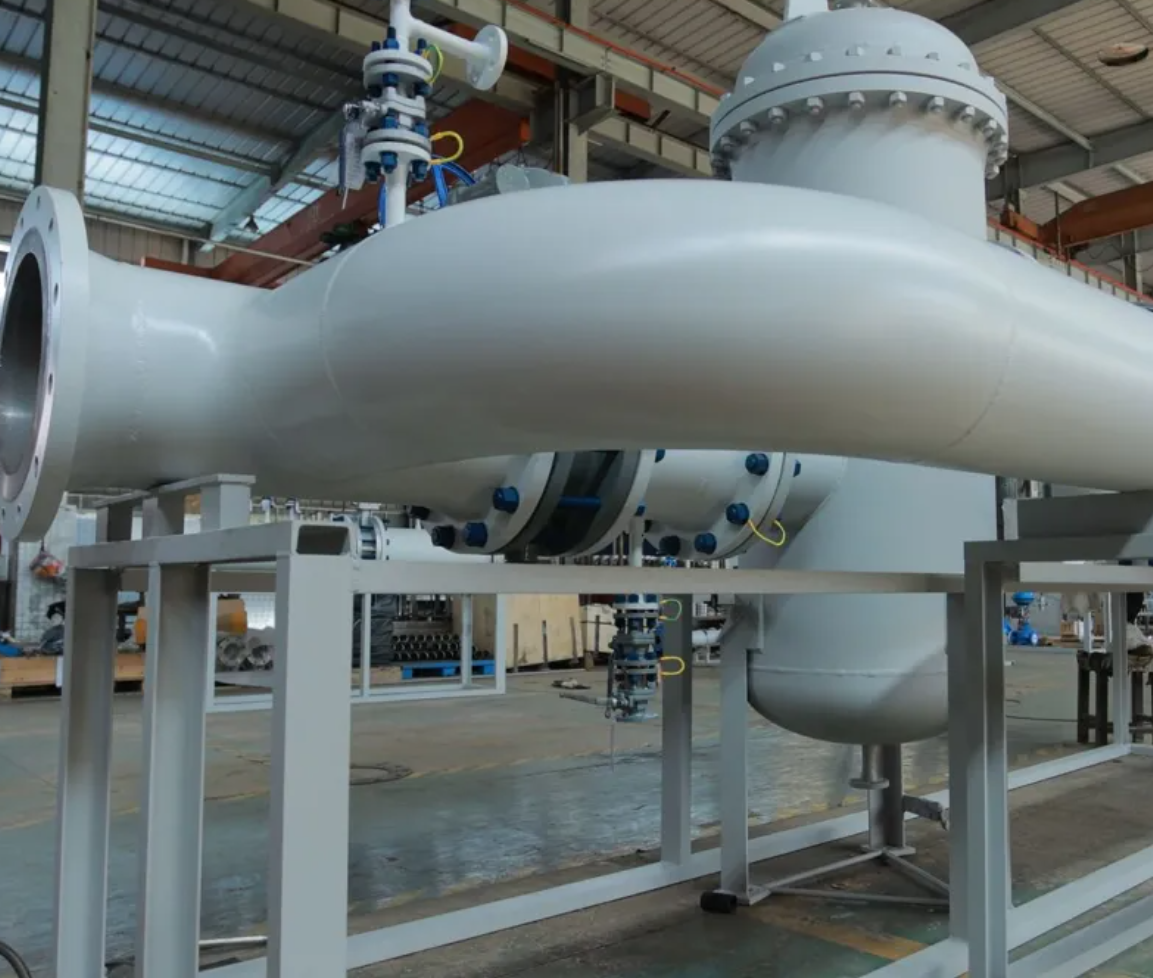
To improve steam temperature control, pressure reducing and desuperheating stations should match the desuperheater type to the duty, ensure proper atomization and mixing, and verify control performance across the full operating range. Good temperature control is a station-level result, not a nozzle-level feature.