

- Home
- >
News
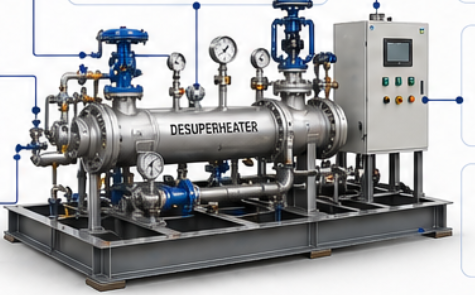
Ordering a steam desuperheater requires careful review of steam conditions, spray water conditions, atomization quality, control method, piping layout, drainage, testing, and documentation. A desuperheater that is selected only by pipe size or price may fail to provide stable temperature control in real operation. For industrial buyers, the safest approach is to provide complete process data and work with a supplier that can review the full steam pressure reducing and desuperheating system. Correct selection helps improve temperature stability, protect downstream equipment, reduce water carryover, and improve long-term system reliability.
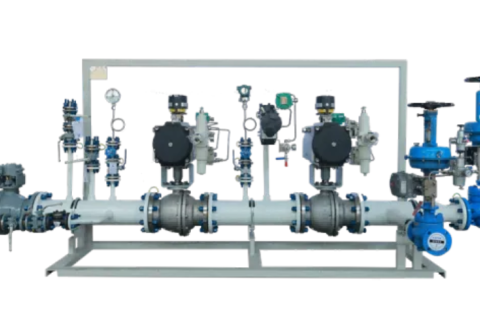
Before quoting a steam pressure control skid, the buyer should prepare complete technical information instead of only asking for a general price. Key data includes steam pressure, temperature, flow range, steam type, spray water conditions, control accuracy, safety requirements, scope of supply, site layout, and documentation needs. A complete inquiry helps the manufacturer select the right valves, desuperheater, instruments, control system, and skid structure. It also helps the buyer receive a more accurate quotation, compare proposals fairly, and reduce procurement risk before production starts.
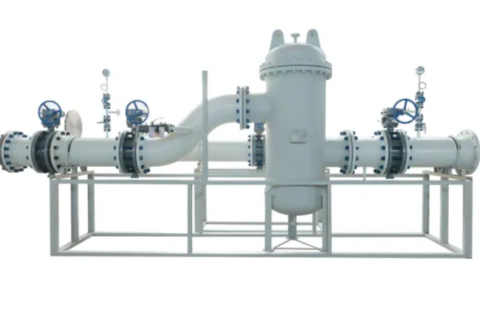
Choosing a steam pressure reducing and desuperheating system requires more than selecting a valve. Buyers need to evaluate the full steam condition, pressure reduction requirement, temperature control target, spray water system, safety protection, instrumentation, skid layout, testing requirements, and supplier engineering capability. A well-designed system can provide stable outlet pressure, accurate steam temperature, safe operation, easier installation, and better long-term reliability. For industrial projects, clear technical data and early engineering review are the best ways to reduce procurement risk.