


- Home
- >
News
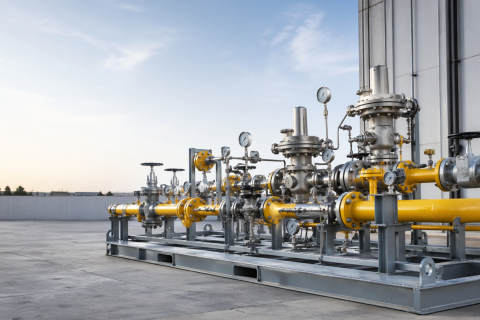
Single-stage and two-stage gas pressure regulation each have clear advantages. Single-stage regulation is compact, economical, and suitable for stable applications with moderate pressure reduction. Two-stage regulation provides better pressure stability, higher outlet accuracy, smoother operation, and stronger reliability for high-pressure or critical industrial projects. The best choice should be based on real working conditions, including inlet pressure, outlet pressure, flow range, pressure ratio, downstream process sensitivity, operating continuity, safety requirements, and maintenance expectations. A professional gas pressure regulating skid should be selected through engineering evaluation, not only by comparing equipment price.
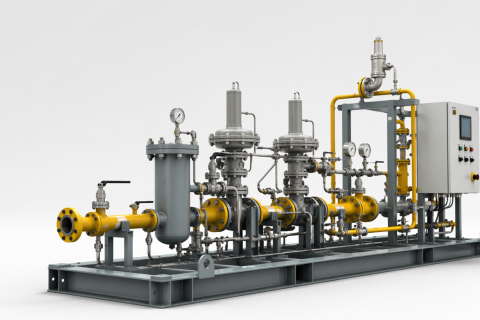
A gas pressure regulating skid is a critical modular system used to control, reduce, filter, monitor, and protect gas flow in industrial projects. Choosing the right skid is not only about price. It directly affects pressure stability, safety performance, installation efficiency, operating reliability, and long-term maintenance cost.
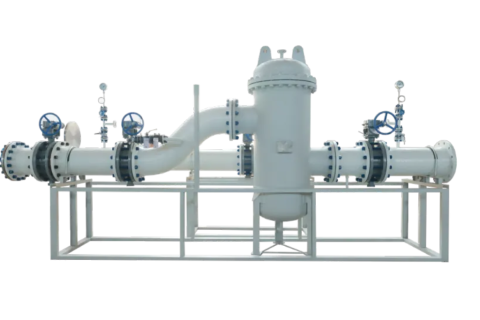
Ordering a custom gas pressure regulating skid is a significant technical and financial commitment. Asking the right questions—structured around process definition, supplier capability, and lifecycle management—is the most effective due diligence you can perform. It separates experienced, systematic manufacturers from mere assemblers. A comprehensive dialogue based on these questions ensures that the final skid is not only technically sound and code-compliant but also delivered on time, within budget, and backed by reliable support. It transforms the procurement process from a risk into a strategic investment in a cornerstone of your plant’s utility infrastructure.
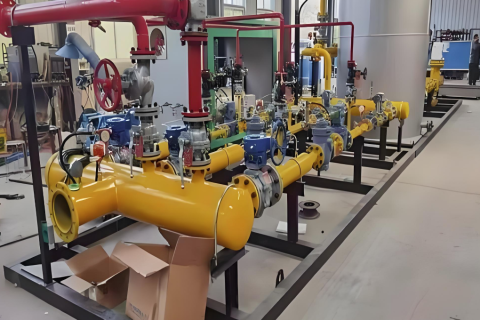
In industrial operations, unplanned downtime is the enemy of productivity and profitability. A single pressure surge or supply interruption can halt production for hours or even days. Gas pressure regulating skids serve as the first and most critical line of defense against these disruptive events. This article explores the three key ways these engineered systems act as silent guardians, preventing costly plant shutdowns.