

Questions to Ask Before Ordering a Custom Gas Pressure Regulating Skid
2026-04-18 12:32Defining Your Process: Core Operating Parameters and Scope
The first and most critical set of questions must clarify the exact process conditions and functional scope of the skid. This establishes the non-negotiable foundation for the entire project. Key inquiries include: What are the precise inlet pressure and temperature ranges, as well as the required outlet pressure and temperature setpoints? What is the maximum, normal, and minimum gas flow rate (in SCFM or Nm³/h)? What is the exact gas composition (including percentages of hydrocarbons, CO2, H2S, moisture, and any inert gases), as it critically affects material selection and safety? What is the skid’s primary function—is it purely for pressure reduction, or does it also require flow metering, heating, filtering, or odorization? Finally, how will the skid be integrated into the larger plant? Ask about the required interfaces (piping connections, electrical power supply, signal protocols for SCADA/DCS, and utility connections like instrument air or nitrogen purge). Clearly defining these parameters prevents costly scope creep and ensures the manufacturer designs a system that fits your process perfectly, not a generic solution.
Evaluating Manufacturer Capabilities: Design, Compliance, and Execution
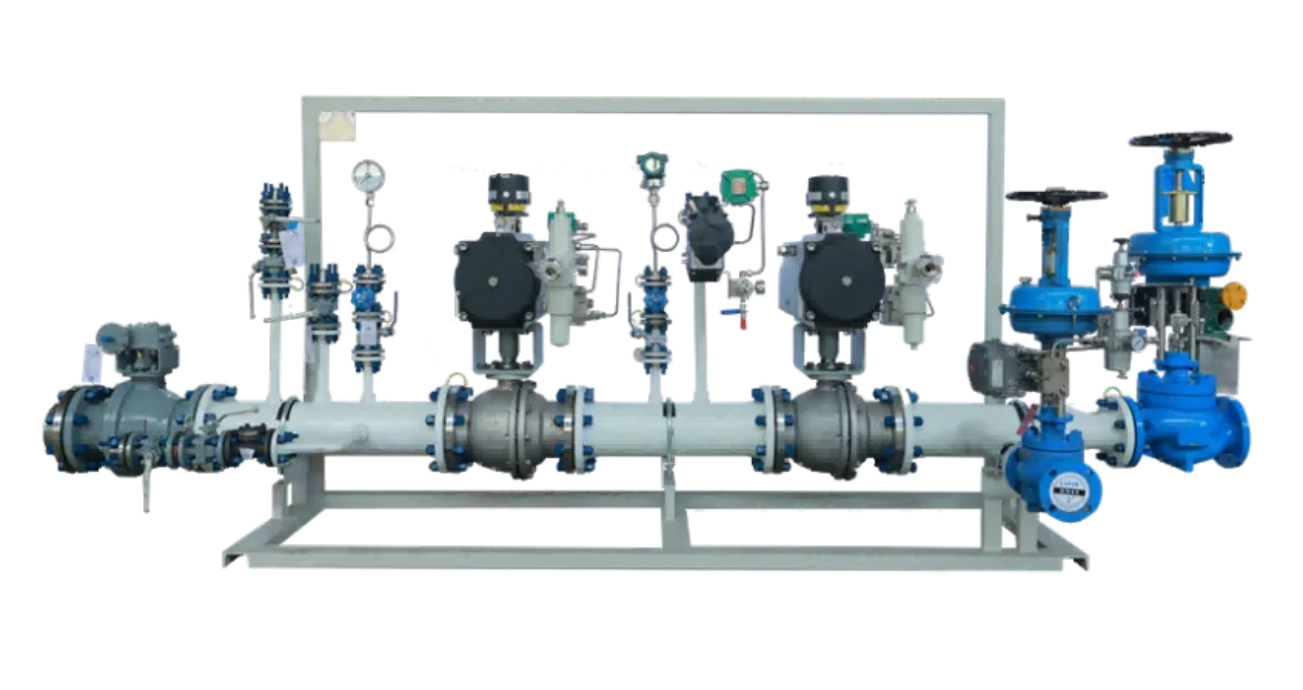
Once the technical scope is clear, the focus shifts to validating the manufacturer’s ability to deliver. This stage involves questions about their engineering expertise, quality framework, and project execution. Essential questions are: What relevant design codes and standards do you comply with (e.g., ASME B31.3, API, PED, GB standards)? Can you provide a detailed P&ID (Piping and Instrumentation Diagram) for review and approval? What is your quality assurance process—do you perform in-house NDT, and can you provide certified Material Test Reports (MTRs) for all pressure parts? What safety features are standard, and how do you size the pressure relief valves? Crucially, ask about their project management protocol: Will there be a single point of contact? What are the key milestones and what documentation is provided (e.g., calculation reports, inspection test plans)? Do you conduct a Factory Acceptance Test (FAT), and can we witness it? The answers will reveal whether the supplier, like Shenqi Machinery, has a systematic, transparent approach to transforming your specifications into a reliable, certified piece of equipment.
Clarifying Logistics, Commercials, and Long-Term Support
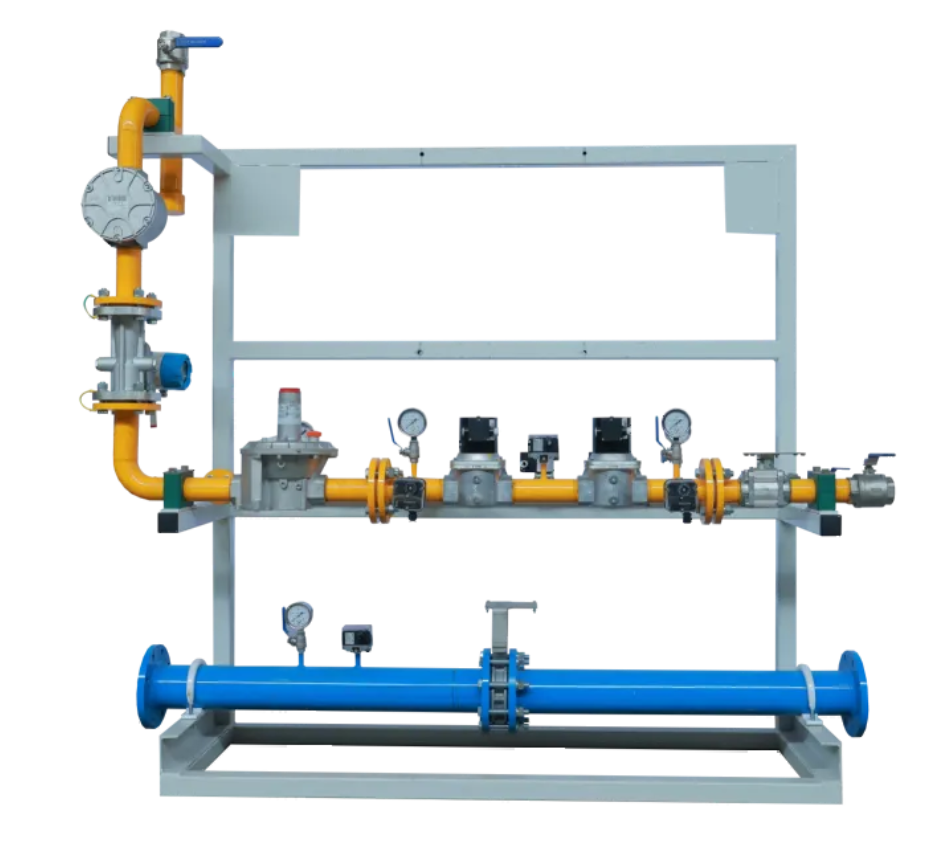
The final set of questions addresses the practicalities of acquisition, delivery, and the total lifecycle of the skid. This protects your commercial and operational interests. You must ask: What is the detailed scope of supply—does the quoted price include all instrumentation, valves, the structural skid base, painting, and shipping brackets? What are the payment terms and delivery schedule, and what are the contractual remedies for delays? Regarding logistics: What are the shipping dimensions and weight? How is the skid prepared for transport (protected instruments, blanked flanges)? For long-term value: What is the warranty period and coverage? Do you provide as-built documentation, including P&IDs, wiring diagrams, and operation manuals? What is your policy on after-sales support and spare parts availability? Asking these questions upfront eliminates post-order surprises, ensures budget accuracy, and secures the support needed for decades of reliable operation, turning the purchase from a simple transaction into a long-term technical partnership.
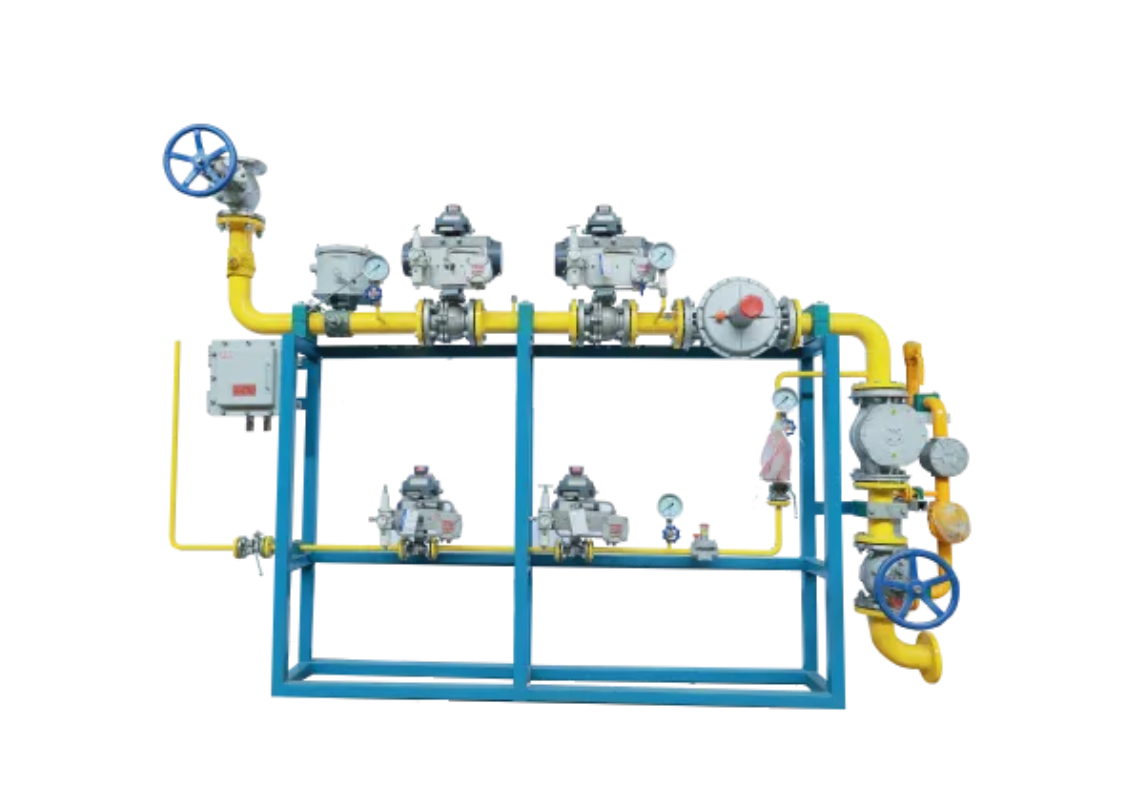
Ordering a custom gas pressure regulating skid is a significant technical and financial commitment. Asking the right questions—structured around process definition, supplier capability, and lifecycle management—is the most effective due diligence you can perform. It separates experienced, systematic manufacturers from mere assemblers. A comprehensive dialogue based on these questions ensures that the final skid is not only technically sound and code-compliant but also delivered on time, within budget, and backed by reliable support. It transforms the procurement process from a risk into a strategic investment in a cornerstone of your plant’s utility infrastructure.