

Quality Assurance in Prefabricated Pipeline Manufacturing
2026-04-17 12:28Foundational Excellence: Material Verification and Precision Engineering
Quality in prefabricated pipeline manufacturing begins with the integrity of its raw materials and the precision of its design. The process starts with rigorous material verification, where all incoming pipes, fittings, flanges, and valves are inspected against certified Material Test Reports (MTRs). This ensures the chemical composition, mechanical properties (tensile strength, yield strength), and heat codes match the project specifications and applicable codes like ASME B31.1 or B31.3. Concurrently, advanced 3D modeling software (like PDMS or CADWorx) is used to create a digital twin of the entire pipe spool. This modeling is critical for clash detection, ensuring no interferences with other components, and for optimizing the isometric drawings used for fabrication. The detailed drawings specify every weld joint, dimension, and tolerance. This meticulous upfront planning, combined with certified materials, creates a controlled, predictable foundation. It shifts quality from an outcome to be inspected into a characteristic built into the manufacturing process from the very first step, minimizing errors and rework.
Controlled Fabrication: Advanced Welding and Assembly Protocols
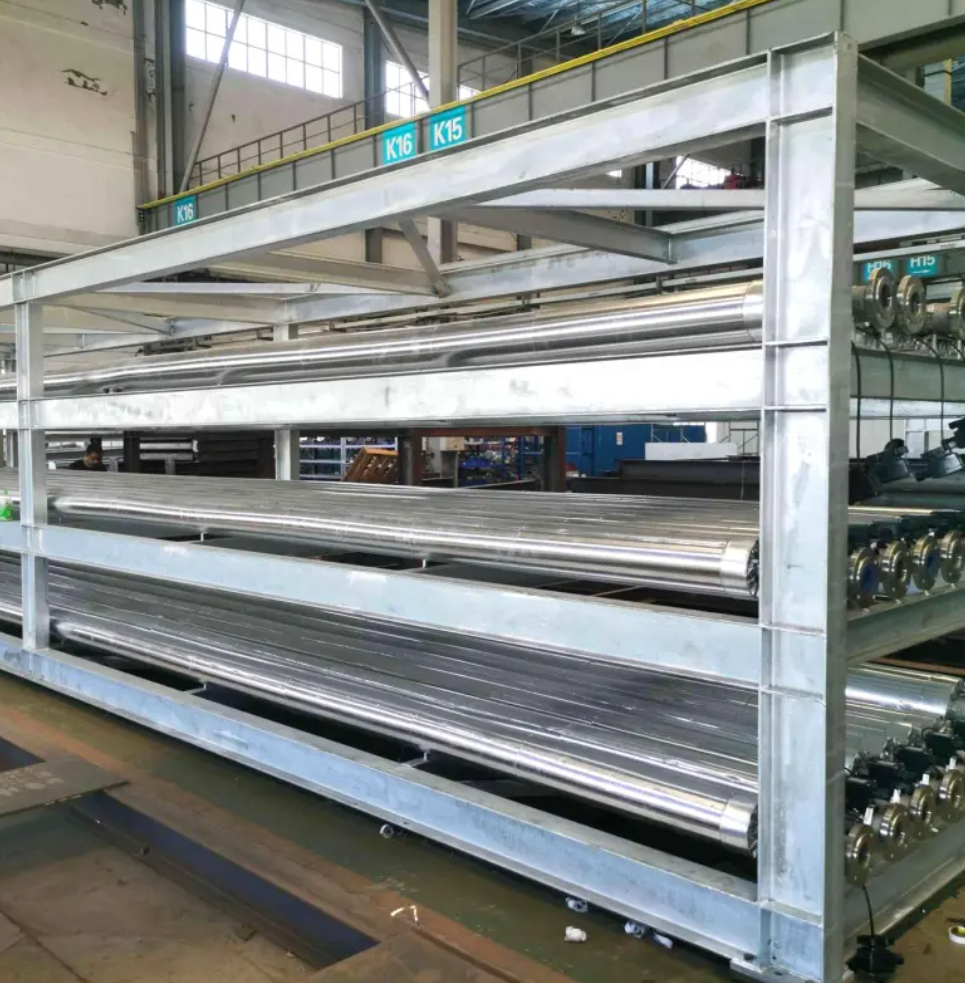
The core of prefabrication quality is executed in the workshop under stringent, controlled conditions. The most critical activity is the welding process, governed by qualified Welding Procedure Specifications (WPS) and performed by certified welders. Advanced techniques like Gas Tungsten Arc Welding (GTAW/TIG) for root passes and Shielded Metal Arc Welding (SMAW) or Flux-Cored Arc Welding (FCAW) for fill and cap passes are employed to ensure consistent, high-integrity welds. Each weld is systematically tracked via a weld mapping log. Following welding, a mandatory sequence of Non-Destructive Testing (NDT) is applied. This typically includes Visual Testing (VT) and Radiographic Testing (RT) or Ultrasonic Testing (UT) on critical welds to verify internal soundness and fusion. Furthermore, the assembly of flanges, supports, and instruments on the pipe spool is conducted using precision jigs and fixtures to ensure perfect alignment and orientation as per the 3D model. This workshop-based control ensures every spool is a dimensionally accurate, leak-tight module, free from the variables and hazards of field welding.
Systematic Validation: Final Inspection, Testing, and Traceability
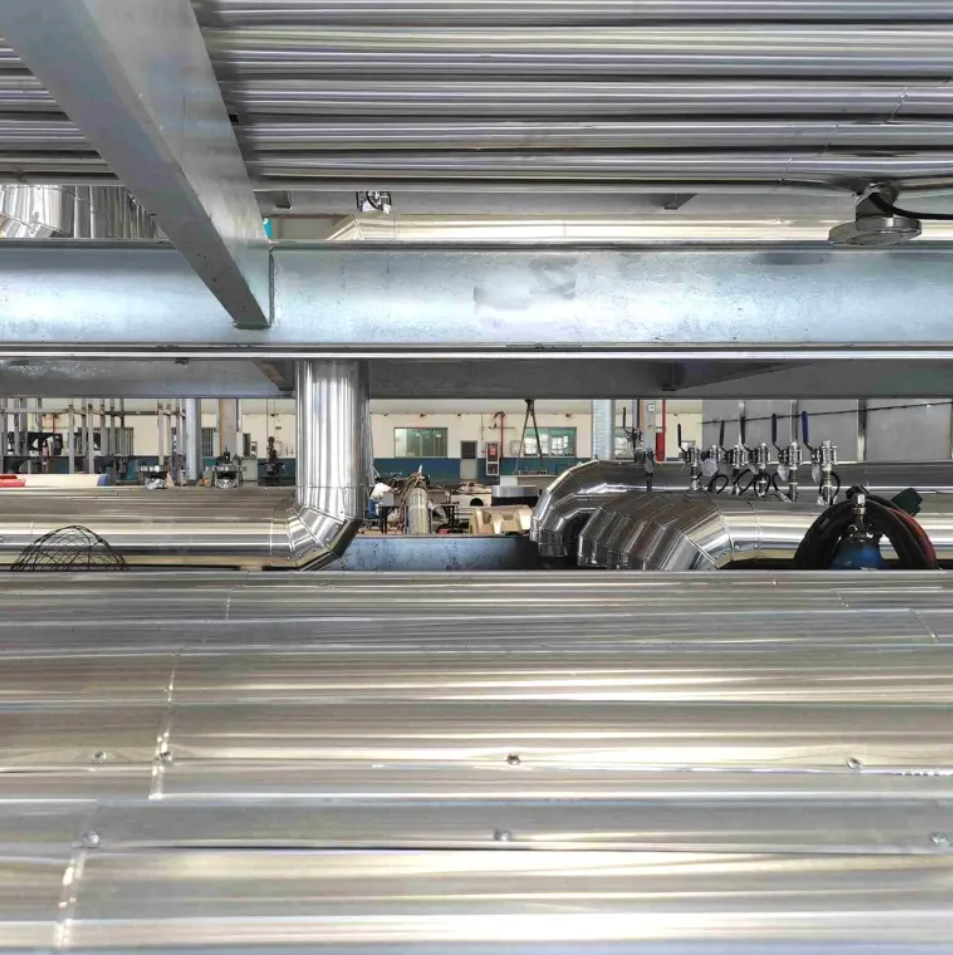
Before a prefabricated pipe spool is released for shipment, it undergoes a final, comprehensive validation process. This begins with a full dimensional inspection, verifying lengths, angles, flange face alignments, and nozzle orientations against the isometric drawings. A critical hydrostatic pressure test or pneumatic test is then performed on the completed spool to prove its structural integrity and leak-tightness under pressure, often witnessed by the client or a third-party inspector. All weld maps, NDT reports, material certificates, and test records are compiled into a final inspection dossier, ensuring full traceability from raw material to finished product. Finally, the spools are prepared for shipping with protective end caps, proper coating, and clear labeling with unique spool identification numbers. This rigorous, documented closure to the manufacturing cycle provides the ultimate assurance of quality. It guarantees that what arrives on-site is not just a piece of pipe, but a certified, ready-to-install component that will fit precisely and perform reliably, drastically reducing field construction time, cost, and risk.
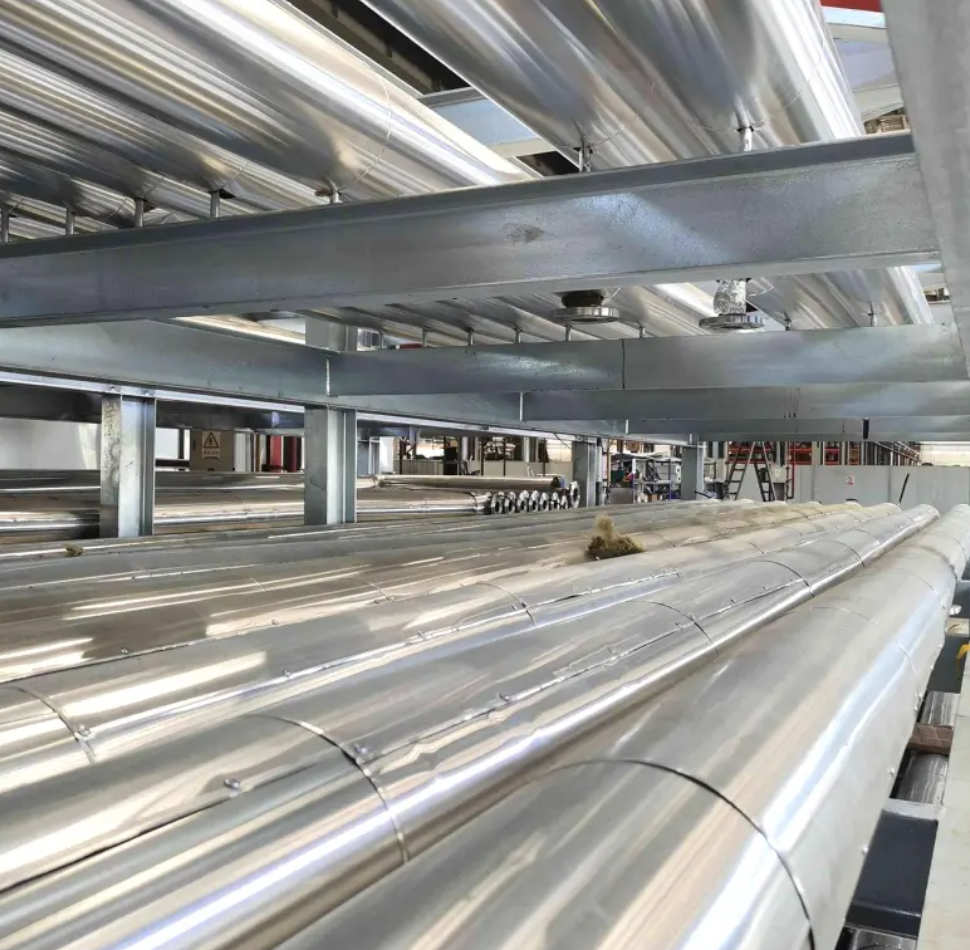
In essence, quality assurance in prefabricated pipeline manufacturing is a comprehensive, process-embedded discipline. It is a seamless integration of certified materials, digital precision, controlled workshop fabrication, and systematic validation. This approach transforms pipeline construction from a field-intensive, variable-prone activity into a predictable, factory-controlled science. For EPC contractors and plant owners, partnering with a fabricator like Shenqi Machinery, which adheres to this rigorous QA regimen, means investing in certainty: certainty of fit, certainty of performance, and certainty of schedule, ensuring that the modular skids and piping systems they receive are built to the highest standards of integrity and reliability.