


An Introduction to Stainless Steel Pressure Vessels: Types and Uses
2026-04-16 12:25Defining the Standard: Why Stainless Steel Reigns Supreme
Stainless steel pressure vessels are specialized containers designed to hold gases or liquids at pressures substantially different from ambient pressure. Their defining characteristic is the construction material: stainless steel alloys, primarily from the 300 series (such as AISI 304/L and 316/L). The primary advantage of stainless steel lies in its exceptional corrosion resistance. The addition of chromium (at least 10.5%) forms a passive, self-repairing chromium oxide layer on the surface, providing an inert barrier against a vast array of corrosive agents, including water, chlorides, acids, and food products. This makes them indispensable for hygienic, sterile, or chemically aggressive environments. Beyond corrosion resistance, stainless steel offers excellent hygienic properties (easy to clean and sterilize), high strength-to-weight ratio, good ductility for forming, and durability across a wide temperature range. These intrinsic properties make stainless steel the material of choice for applications where purity, safety, and longevity are non-negotiable, from pharmaceutical processing to food and beverage production.
Common Types and Key Design Configurations
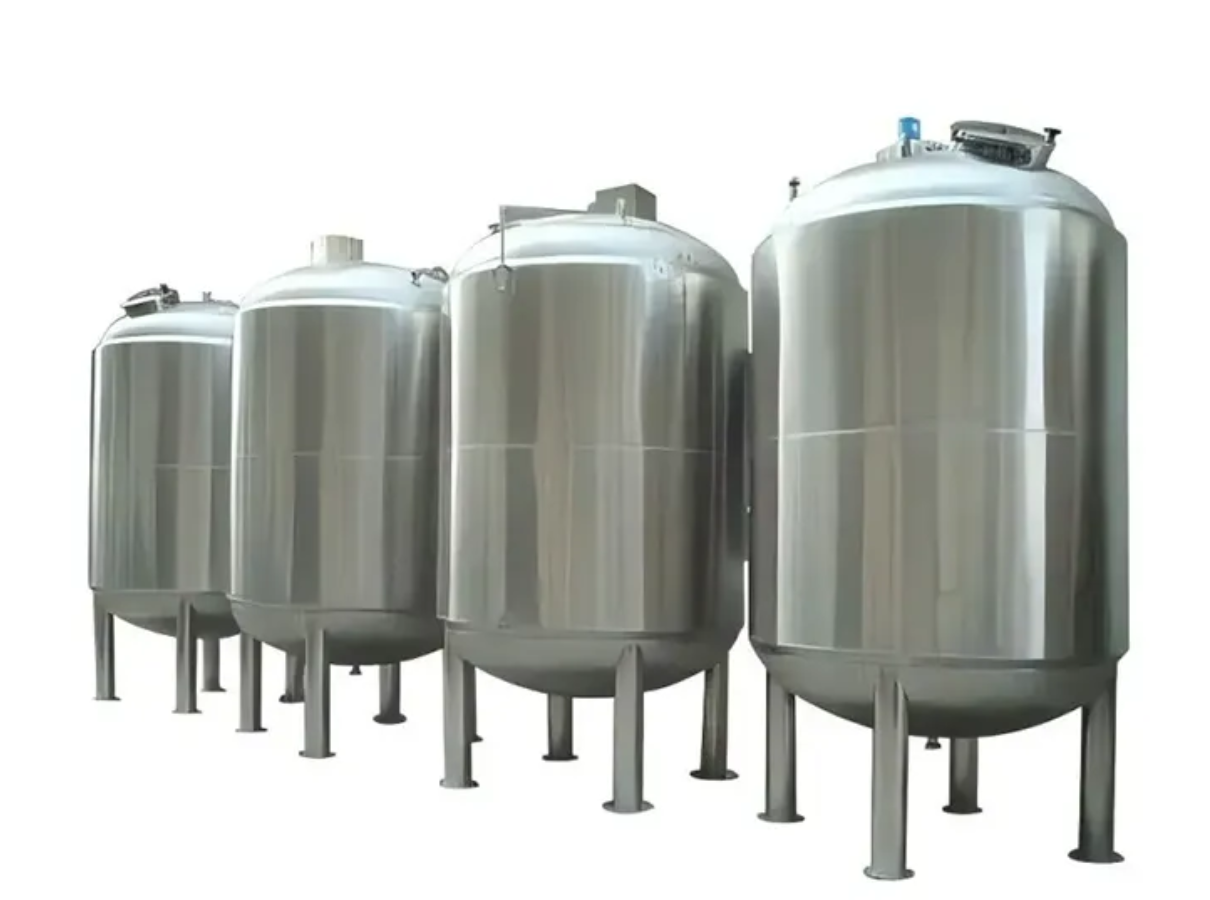
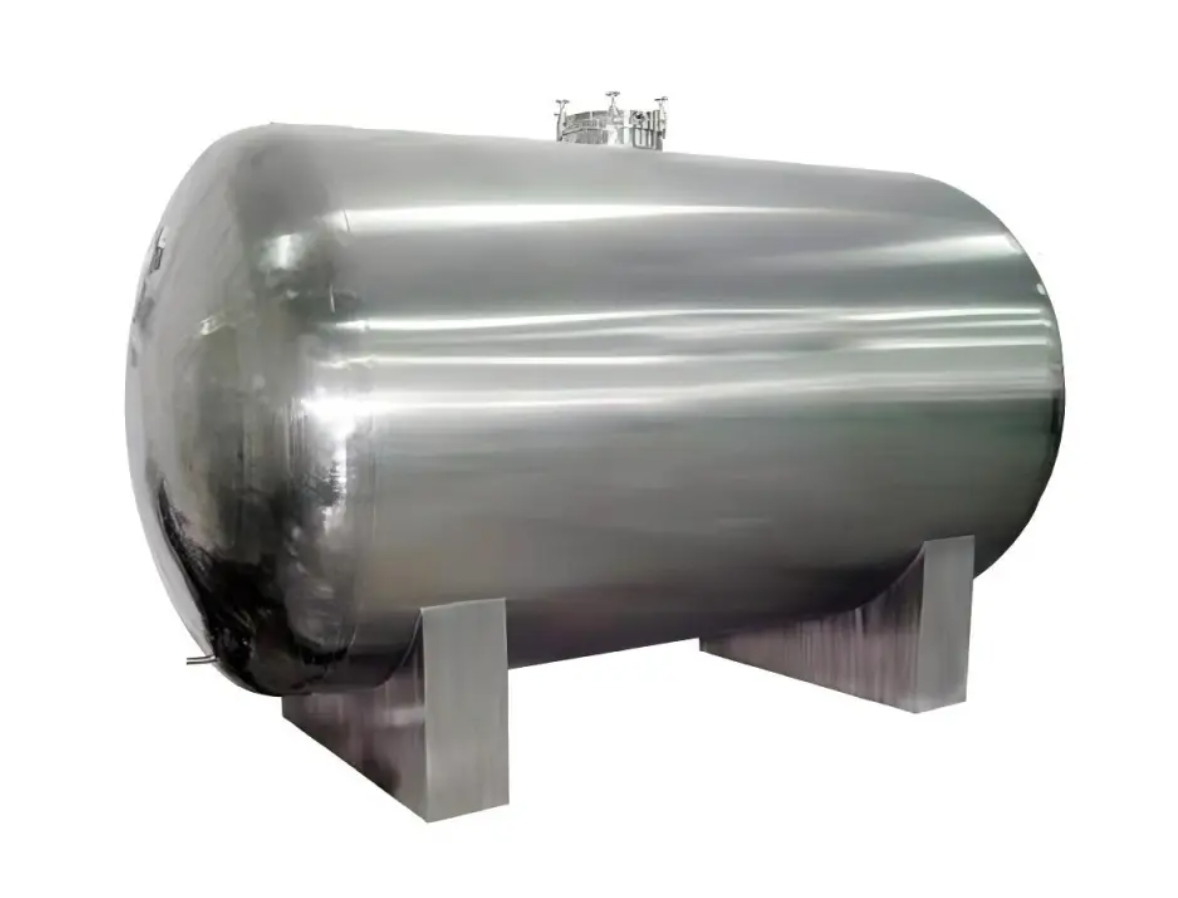
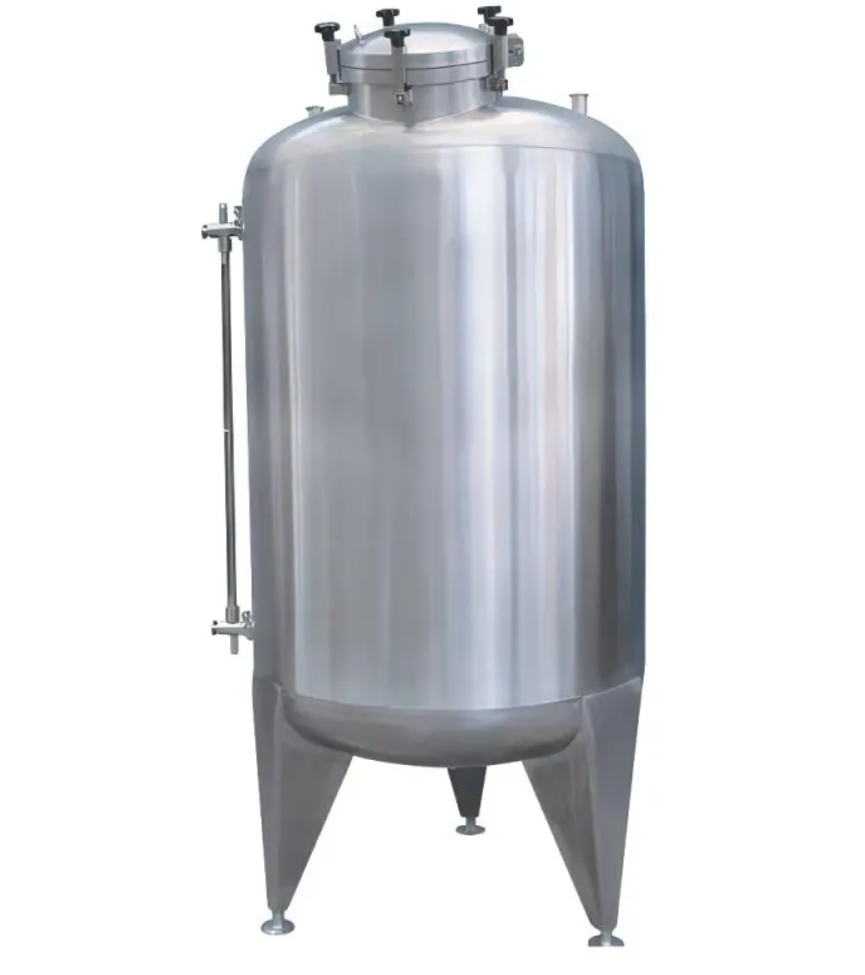
Stainless steel pressure vessels come in various standardized and custom designs, each tailored to its specific function. The most common classification is based on geometric shape and orientation. Horizontal pressure vessels are frequently used as storage tanks for liquids or as process vessels with significant liquid volume, often mounted on saddle supports. Vertical pressure vessels are space-efficient and are common in distillation columns, separators, or receivers where gravity-assisted separation is key. Key components include the cylindrical shell (the main body), dished heads (the end caps, often hemispherical or elliptical for optimal pressure distribution), and various nozzles and manways for access, inlet, outlet, and instrumentation. Internally, vessels can be fitted with specialized baffles, spargers, or agitators to enhance mixing, heat transfer, or separation. The design is rigorously governed by codes like ASME Section VIII, ensuring they are engineered for specific maximum allowable working pressure (MAWP) and temperature. Understanding these configurations allows for the selection of the optimal vessel for processes like mixing, reacting, separating, or simply storing.
Diverse Applications Across Critical Industries
The versatility of stainless steel pressure vessels makes them workhorses in a wide array of industries, each leveraging their unique properties. In the food and beverage industry, they are used as mixing tanks, pasteurizers, fermentation vessels, and storage tanks for products like milk, beer, and juice, where cleanliness and preventing contamination are paramount. The pharmaceutical and biotechnology sector relies on them for reactors, bioreactors, and purified water storage, requiring sterile, non-contaminating surfaces that can withstand repeated sterilization cycles (SIP/CIP). In chemical and petrochemical processing, they serve as reactors, separators, and scrubbers, handling corrosive chemicals and intermediates. The water treatment industry uses them as pressure filters, reverse osmosis housings, and chlorination contact tanks. Even in energy and HVAC, stainless steel vessels are found as expansion tanks, receivers, and accumulators. This wide applicability stems from the material's ability to maintain product purity, withstand harsh processes, and ensure long-term operational safety, making it a cornerstone of modern industrial infrastructure.
In summary, stainless steel pressure vessels are far more than simple storage tanks. They are precisely engineered, code-compliant systems that form the backbone of safe and efficient processing in industries where hygiene, corrosion resistance, and reliability are critical. From horizontal storage tanks to complex vertical reactors, their design is dictated by their function. For any application demanding purity, durability, and containment integrity, stainless steel vessels offer a superior, long-term solution. Manufacturers like Shenqi Machinery, with expertise in ASME design and fabrication, are essential partners in providing vessels that are not only fit for purpose but built to last, ensuring process integrity from the inside out.