


Manufacturing Process of High-Quality Pressure Vessels
2026-04-15 12:22Precision Engineering and Material Integrity: The Foundational Stage
The manufacturing of a high-quality pressure vessel begins long before the first weld is made; it starts with meticulous design and the selection of impeccable materials. The process is governed by stringent international codes and standards, such as the ASME Boiler and Pressure Vessel Code (BPVC) Section VIII, which dictates the design, fabrication, and inspection protocols. The initial stage involves precise engineering design calculations to determine the exact dimensions, wall thickness, and reinforcement needed to safely contain the intended pressure, temperature, and medium (corrosive, toxic, etc.). Concurrently, the selection of raw materials is paramount. Plates, forgings, and pipes—often carbon steel or stainless steel—are sourced with full material traceability (mill certificates) to verify their chemical composition and mechanical properties. This stage includes critical material testing, such as spectroscopy for chemical analysis and ultrasonic testing to detect internal flaws, ensuring every component entering production is defect-free and fully certified, forming the foundation of vessel integrity and safety.
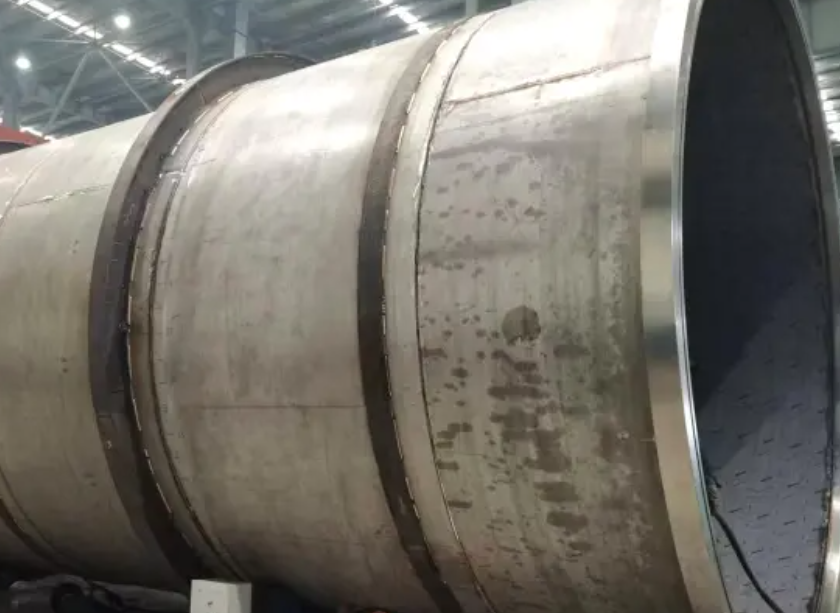
Advanced Fabrication and Welding Excellence: The Core of Construction
With certified materials and approved designs, the fabrication stage commences, where precision engineering meets skilled craftsmanship. Modern pressure vessel production utilizes advanced machinery like computer numerical control (CNC) cutting and roller bending machines to achieve exact dimensional accuracy for shell courses, heads, and nozzles. The most critical and scrutinized step is the welding process. Weld procedures (WPS) and welder performance (WPQ) are rigorously qualified. Techniques such as Submerged Arc Welding (SAW) for long seams and Gas Tungsten Arc Welding (GTAW/TIG) for root passes on critical joints are employed to ensure deep penetration and flawless, x-ray quality welds. Each major weld seam is subjected to non-destructive testing (NDT) methods, primarily Radiographic Testing (RT) or Ultrasonic Testing (UT), to verify internal soundness. The assembly of components—aligning heads to shells and attaching nozzles, manways, and supports—requires exceptional precision. This phase transforms raw materials into a cohesive, leak-tight structure, where the quality of every weld and fit-up directly defines the vessel's future reliability.
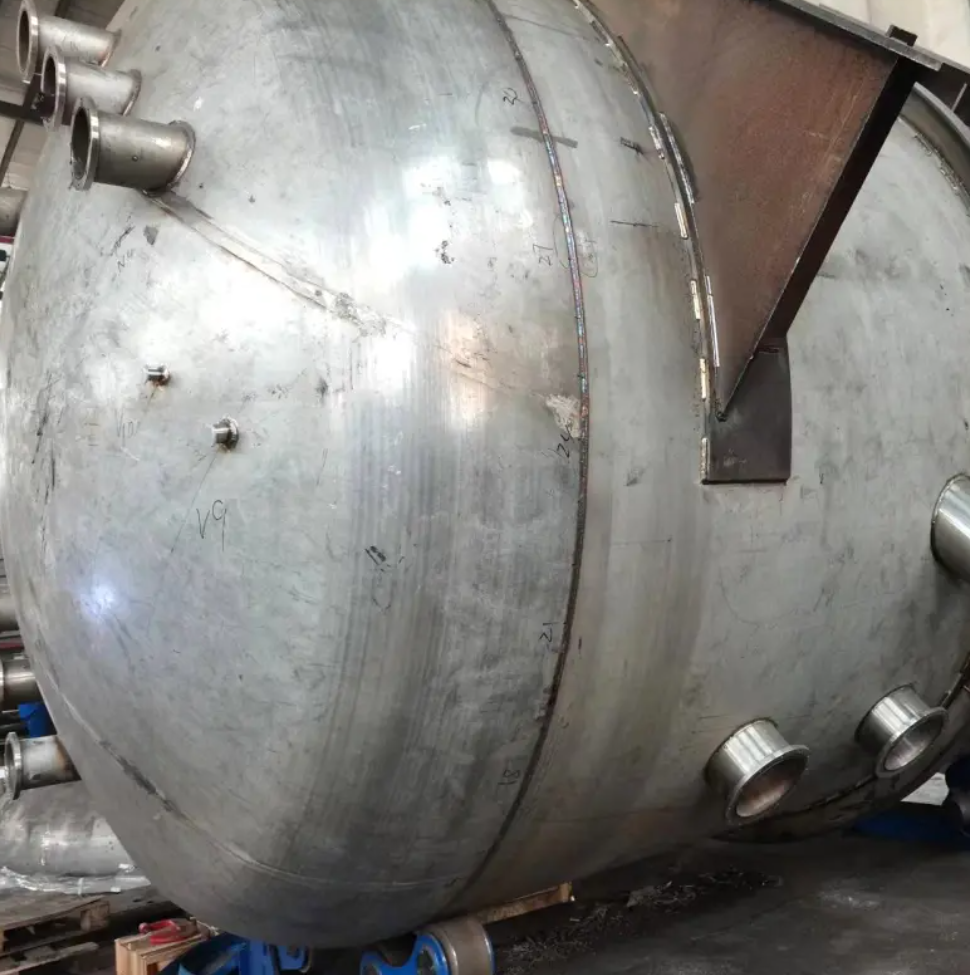
Rigorous Testing, Inspection, and Certification: The Assurance Phase
Before a pressure vessel leaves the factory, it must undergo a series of rigorous validation tests to conclusively prove its safety and integrity. The cornerstone of this phase is the hydrostatic pressure test, where the vessel is filled with water and pressurized to a level significantly above its designated maximum working pressure. This test, witnessed by an authorized Authorized Inspector (AI), verifies the vessel's structural strength and leak-tightness under extreme conditions. Following this, a thorough post-weld heat treatment (PWHT) may be applied to relieve residual stresses in the weld zones, enhancing the vessel's long-term dimensional stability and corrosion resistance. A final comprehensive dimensional inspection and visual examination ensure all specifications are met. Only after all tests and inspections are passed does the manufacturer apply the ASME "U" Stamp (for Division 1 vessels) and issue the manufacturer's data report, a legal document certifying compliance. This exhaustive assurance phase, combining physical proof testing with third-party verification, is the final, non-negotiable step that transforms a fabricated vessel into a code-compliant, high-quality asset ready for a lifetime of safe service.
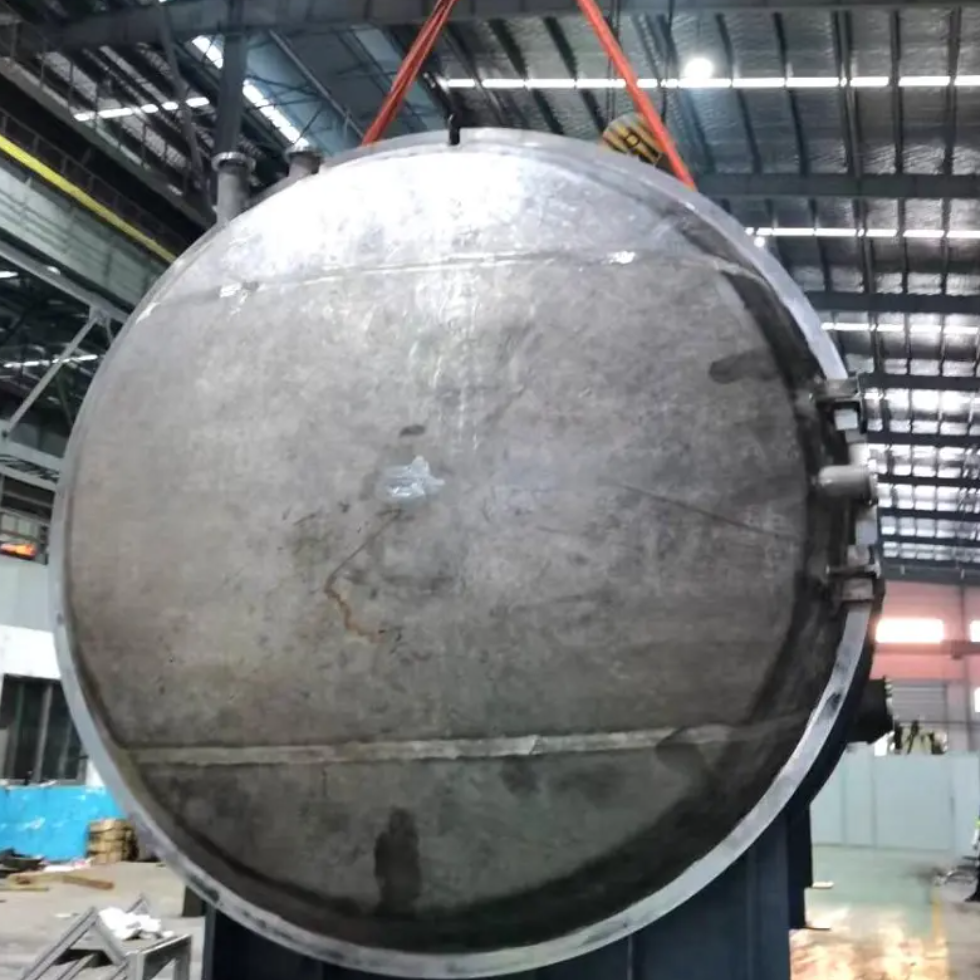
The manufacturing of a high-quality pressure vessel is a symphony of precision, where rigorous engineering, advanced fabrication, skilled craftsmanship, and uncompromising quality assurance converge. It is a process defined by adherence to the highest codes, where every step—from material certification to the final stamp—is documented and verified. Choosing a manufacturer like Shenqi Machinery, which masters this disciplined process, ensures more than just a product; it delivers a cornerstone of plant safety, operational reliability, and long-term value, built to withstand pressure in every sense.