

- Home
- >
News
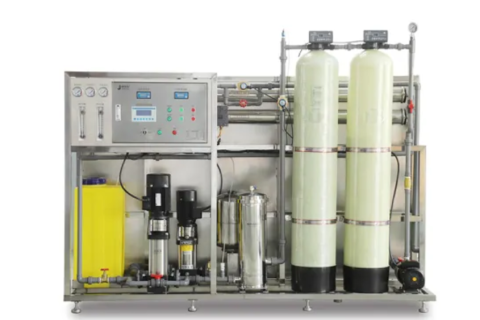
The most common mistakes in steam pressure reducing system procurement include incomplete steam data, price-only comparison, poor control valve selection, missing safety and layout details, and unclear testing requirements. These mistakes can lead to unstable pressure, excessive noise, temperature control problems, installation delays, and higher maintenance costs. A safer procurement process starts with complete technical information and a clear scope of supply. Buyers should work with a manufacturer that can review the full steam system, not only provide individual components. A well-specified steam pressure reducing system improves process stability, safety, and long-term reliability.
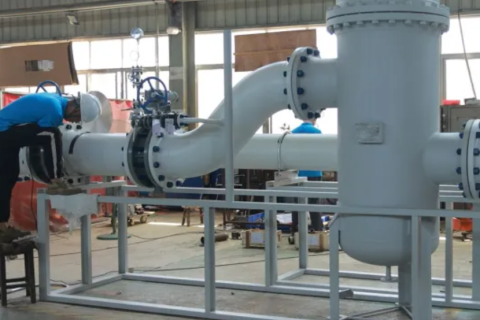
Control valve selection is one of the most important decisions in a steam pressure reducing system. The right valve can provide stable outlet pressure, accurate flow control, lower noise, reduced vibration, longer service life, and safer operation. The wrong valve can cause unstable pressure, excessive noise, erosion, maintenance problems, and poor system performance. For industrial projects, buyers should evaluate control valves based on actual steam pressure, temperature, flow range, pressure drop, valve trim, actuator, positioner, safety requirements, and full skid integration. A reliable steam pressure reducing system depends on correct engineering selection, not only component price.
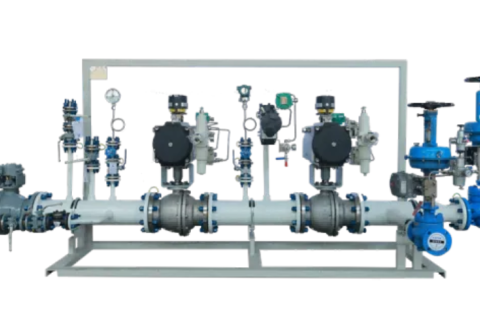
Before quoting a steam pressure control skid, the buyer should prepare complete technical information instead of only asking for a general price. Key data includes steam pressure, temperature, flow range, steam type, spray water conditions, control accuracy, safety requirements, scope of supply, site layout, and documentation needs. A complete inquiry helps the manufacturer select the right valves, desuperheater, instruments, control system, and skid structure. It also helps the buyer receive a more accurate quotation, compare proposals fairly, and reduce procurement risk before production starts.