


- Home
- >
News
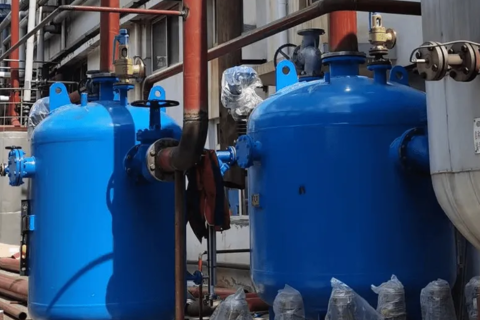
Pressure stability in a steam pressure reducing module is mainly affected by five things: whether the valve type matches the load pattern, whether the valve and piping are sized correctly, whether the sensing and installation layout is clean and stable, whether the steam is dry and free of damaging debris, and whether the module is properly commissioned and maintained. When those conditions are controlled together, the module is far more likely to hold steady downstream pressure over time instead of drifting into droop, hunting, or erratic response.
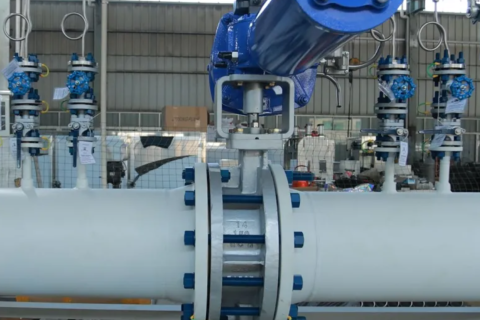
To ensure long-term stability in gas and steam control systems, the focus should be on the whole control environment rather than on one component alone. Correct regulator and valve sizing, sound piping arrangement, effective condensate management, disciplined commissioning, and planned maintenance all work together to protect control accuracy and operating reliability. When these points are confirmed early and managed consistently, gas and steam systems are much more likely to operate safely, efficiently, and steadily over the long term.
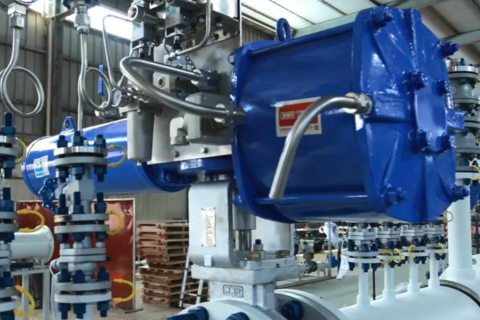
To reduce condensate problems in steam pressure control systems, the most effective approach is to work in three layers: keep wet steam out of the control section with separators and trap sets, build proper drainage into the steam main and the pressure reducing station, and then manage trap selection, back pressure, and maintenance correctly. When these three layers are handled together, the system is much more likely to deliver dry steam, stable pressure control, and longer equipment life.