


How To Reduce Condensate Problems In Steam Pressure Control Systems
2026-04-03 16:03Condensate problems in steam pressure control systems usually do not come from one single component. They are more often caused by a combination of wet steam, poor drainage layout, missing separation equipment, incorrect trap selection, and insufficient maintenance. TLV explains that all plant steam contains moisture as it leaves the boiler and continues to condense as it travels through the system, while Spirax Sarco notes that pressure reducing valves for steam should normally have upstream protection to ensure dry steam conditions. When condensate is not managed correctly, control accuracy, valve life, and overall system stability can all suffer.
Keep Wet Steam Out Of The Control Section
One of the most effective ways to reduce condensate problems is to stop wet steam from entering the pressure control section in the first place. TLV notes that steam traps can remove condensate flowing along the bottom of a pipe, but they cannot remove moisture still entrained in the steam flow. That is why separators matter. Spirax Sarco likewise explains that a separator installed upstream can dry wet steam by removing entrained moisture, and its pressure reducing valve installation guidance recommends fitting a separator with a trap set on the upstream side of the valve to ensure dry steam conditions.
TLV’s pressure reducing valve manuals go further by warning that steam containing entrained condensate, scale, air, or similar contamination not only reduces equipment productivity but also shortens the life of pressure reducing valves. In other words, condensate control is not just about preventing water accumulation. It is also about protecting the valve seat, internals, and downstream control performance over time. A system that repeatedly feeds wet steam into the reducing section is much more likely to develop instability, wear, and maintenance problems later.
Improve Drainage Layout Around The Steam Main And Pressure Reducing Station
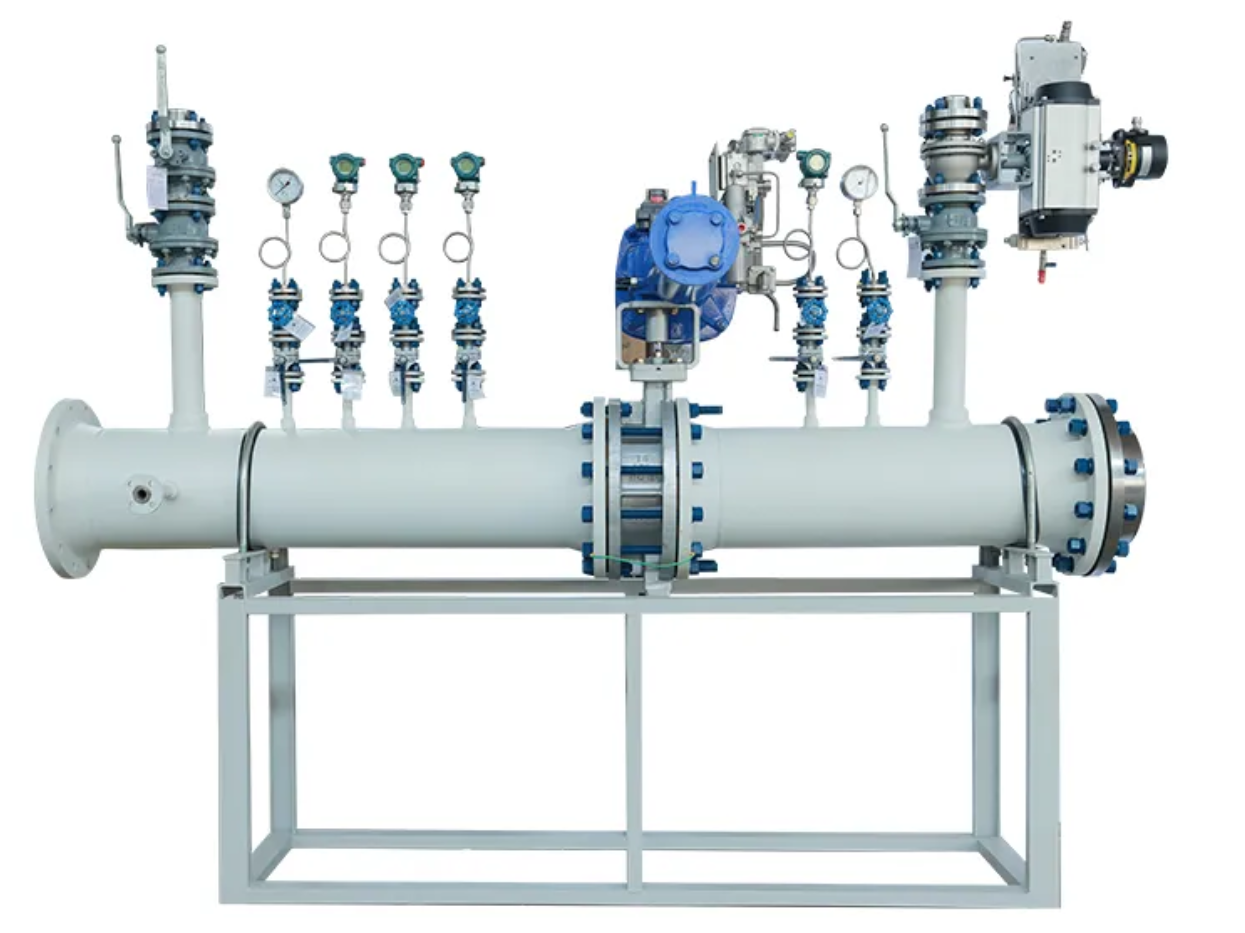
Even when a separator is installed, the piping layout still determines whether condensate can leave the system smoothly. TLV and Spirax Sarco both stress the importance of good steam-main drainage practice. TLV recommends proper support and inclined steam piping, careful trap location selection, and attention to drip leg configuration, while Spirax Sarco advises installing steam lines with a gradual fall in the direction of flow, adding drain points at regular intervals and at low points, and draining the bottom of risers. Spirax Sarco’s trap-selection guidance also gives a practical range of draining steam mains at roughly 30 to 50 metres, with the bottom of any riser drained as well.
These details matter because condensate problems often start outside the control valve itself. If the main header does not fall correctly, if low points are not drained, or if a riser traps water, condensate can be carried forward into the pressure reducing station. Spirax Sarco also recommends check valves after steam traps where condensate might otherwise run back into the steam line or plant during shutdown. That means good condensate control is not only about getting water out, but also about stopping it from returning when the system cools down or changes state.
The pressure reducing station itself also needs local drainage attention. Spirax Sarco’s pressure reducing valve installation manuals recommend an upstream separator with trap set, and further state that if the low-pressure line rises downstream of the valve, an additional drain point should be provided to keep the valve drained after shutdown. This is a very practical point: condensate problems are often worst during startup and shutdown, not just during steady operation. If the downstream low-pressure side can hold water after shutdown, the next startup is more likely to bring waterlogging, unstable control, or even mechanical stress into the module.
Improve Drainage Layout Around The Steam Main And Pressure Reducing Station
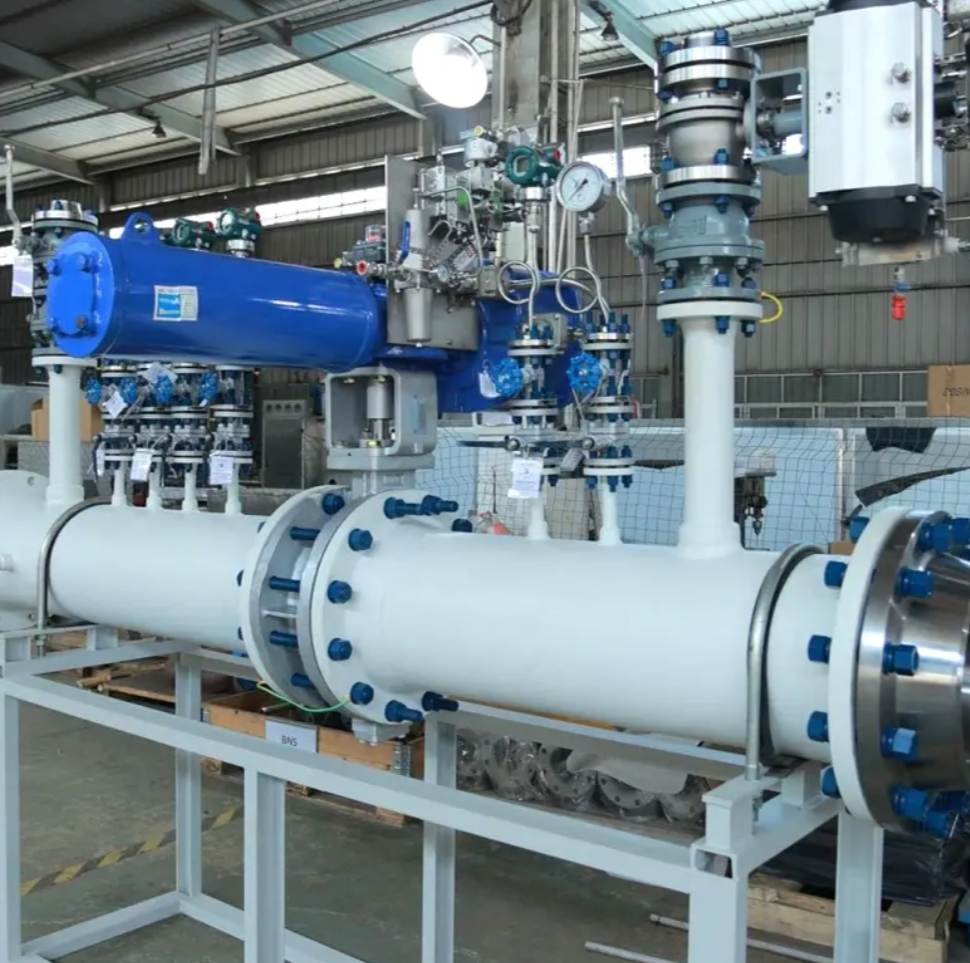
Even when a separator is installed, the piping layout still determines whether condensate can leave the system smoothly. TLV and Spirax Sarco both stress the importance of good steam-main drainage practice. TLV recommends proper support and inclined steam piping, careful trap location selection, and attention to drip leg configuration, while Spirax Sarco advises installing steam lines with a gradual fall in the direction of flow, adding drain points at regular intervals and at low points, and draining the bottom of risers. Spirax Sarco’s trap-selection guidance also gives a practical range of draining steam mains at roughly 30 to 50 metres, with the bottom of any riser drained as well.
These details matter because condensate problems often start outside the control valve itself. If the main header does not fall correctly, if low points are not drained, or if a riser traps water, condensate can be carried forward into the pressure reducing station. Spirax Sarco also recommends check valves after steam traps where condensate might otherwise run back into the steam line or plant during shutdown. That means good condensate control is not only about getting water out, but also about stopping it from returning when the system cools down or changes state.
The pressure reducing station itself also needs local drainage attention. Spirax Sarco’s pressure reducing valve installation manuals recommend an upstream separator with trap set, and further state that if the low-pressure line rises downstream of the valve, an additional drain point should be provided to keep the valve drained after shutdown. This is a very practical point: condensate problems are often worst during startup and shutdown, not just during steady operation. If the downstream low-pressure side can hold water after shutdown, the next startup is more likely to bring waterlogging, unstable control, or even mechanical stress into the module.
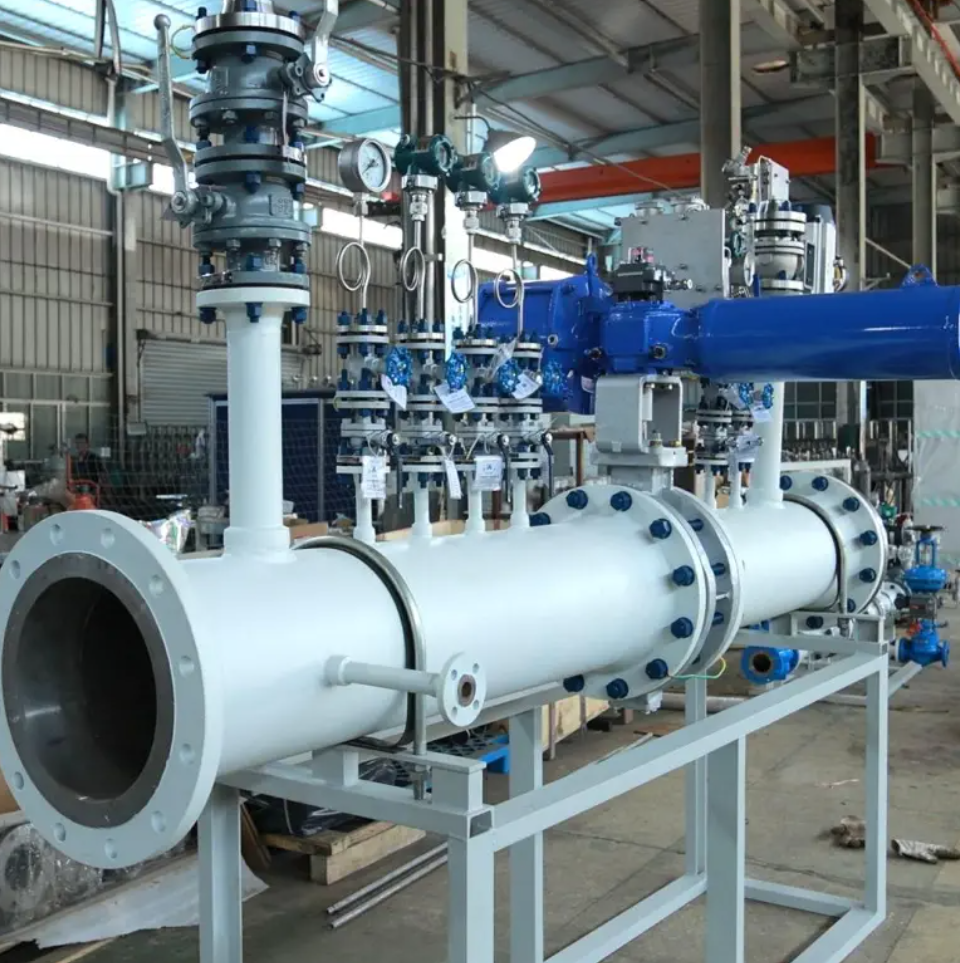
To reduce condensate problems in steam pressure control systems, the most effective approach is to work in three layers: keep wet steam out of the control section with separators and trap sets, build proper drainage into the steam main and the pressure reducing station, and then manage trap selection, back pressure, and maintenance correctly. When these three layers are handled together, the system is much more likely to deliver dry steam, stable pressure control, and longer equipment life.