

What Can Affect Pressure Stability In A Steam Pressure Reducing Module
2026-04-10 15:57Pressure stability in a steam pressure reducing module depends on much more than simply setting a downstream pressure value. In steam systems, stable performance is shaped by valve type, sizing accuracy, upstream pressure conditions, sensing-line layout, steam quality, condensate drainage, and ongoing maintenance. Official steam-control guidance from TLV and Spirax Sarco shows that pressure reducing performance changes significantly with load variation, piping arrangement, and the condition of the steam itself.
Valve Type, Sizing Accuracy, And Load Range
One of the biggest factors is whether the pressure reducing valve type matches the real load pattern. TLV notes that direct-operated valves are generally used where loads are small and some downstream pressure droop can be accepted, while pilot-operated valves respond more quickly to changing load and are better suited where tighter secondary pressure control is required. Spirax Sarco likewise states that pilot-operated valves are preferred where accurate pressure control or large flow capacity is needed. That means a module designed for fluctuating process demand can become unstable if a valve intended for lighter or simpler duty is used instead.
Sizing accuracy is just as important. Fault-finding guidance from Spirax Sarco shows that if downstream pressure falls too much at full load, one possible cause is insufficient valve capacity, and if the valve hunts during load variation, undersized upstream piping or an undersized valve can be responsible. Spirax Sarco also recommends narrow proportional-band controls such as pilot-operated valves or electropneumatic systems when turndown is high, to prevent excessive downstream pressure drop at high flow. In short, a steam pressure reducing module that looks correct on the datasheet may still be unstable if its sizing was based only on nominal size instead of real operating range.
Very high pressure ratios can also hurt stability if they are forced through one stage. Spirax Sarco describes series pressure reducing stations as a practical solution when the upstream-to-downstream ratio is very high, and recommends about 10:1 as a practical maximum pressure ratio for that type of reducing valve arrangement. If a large pressure drop is handled too aggressively in one step, stable control becomes harder and response can deteriorate under changing load.
Piping Layout, Pressure Sensing, And Upstream Conditions
Even the right valve will not stay stable if the piping arrangement is poor. TLV’s steam PRV installation manual warns that if the valve is installed directly before or after an elbow or control valve, uneven flow can cause chattering and unstable pressure, and it recommends straight pipe runs around the reducing valve. This is a classic reason why pressure instability sometimes comes from layout rather than from the valve internals themselves.
The pressure sensing arrangement is another major stability factor. Pilot-operated valves work by balancing downstream pressure through a sensing pipe, so the quality of that sensing signal directly affects control accuracy. Installation guidance from Spirax-type pilot regulator manuals recommends taking the sensing line from a straight downstream section away from elbows, tees, and restrictions, and pitching the sensing line downward so drainage is not trapped. For steam service above 125 °C, Spirax Sarco also requires a water seal pot on the downstream control signal line for certain valve designs. If the sensing point is blocked, wet, badly positioned, or influenced by turbulence, the module can show false pressure behavior even when the valve itself is mechanically sound.
Upstream pressure stability matters too. Spirax Sarco fault guidance notes that hunting may coincide with steam-load variation, and one of the first checks is whether upstream pressure remains stable under full-load conditions. If upstream pressure drops because of undersized pipework or partial blockage, the valve’s effective capacity is reduced and downstream pressure can no longer be maintained properly. In other words, a module may be blamed for poor control when the real problem is unstable steam supply ahead of it.
Steam Quality, Condensate, Dirt, And Maintenance Condition
Steam quality has a direct effect on stability and service life. TLV states that steam-using equipment performs properly only when dry saturated steam is available, and that steam containing entrained condensate, scale, and air not only reduces productivity but also shortens the life of pressure reducing valves. TLV also explains that entrained condensate can erode the valve seat at high velocity, damaging sealing performance and making normal operation difficult to restore. When wet steam repeatedly reaches the reducing section, pressure control becomes less predictable and component wear accelerates.
Condensate removal is therefore not a side issue. TLV explains that drip legs can remove condensate that has already fallen out of the flow, but they cannot remove water droplets still entrained in the steam stream. That is why separators and steam traps matter in front of, or within, a pressure reducing module. TLV’s product guidance links condensate separation and trap drainage directly to more stable secondary pressure, protection from water hammer, and longer valve life. If condensate management is weak, pressure fluctuation is often only one of several symptoms.
Solid contamination also affects stability. Spirax Sarco notes that debris such as scale, rust, weld metal, and other solids frequently damage steam and condensate equipment, and recommends a strainer upstream of every control valve. TLV adds that tiny scale and rust particles can enter the moving clearances inside a pressure reducing valve and stop the parts from moving smoothly. A module that was stable at startup may therefore lose control quality over time simply because dirt protection and regular cleaning were not treated seriously enough.
Finally, installation, commissioning, and maintenance condition determine whether the module stays stable after delivery. Spirax Sarco’s control guidance stresses the importance of practical installation and commissioning, while its maintenance manuals state that safe operation depends on proper installation, commissioning, use, and maintenance by qualified personnel. Fault-finding sections also show that blocked sensing lines, blocked control orifices, dirty strainers, sticking pilot parts, and damaged diaphragms can all push downstream pressure too low, too high, or into hunting behavior. Long-term stability is therefore not only a design issue; it is also a maintenance discipline issue.
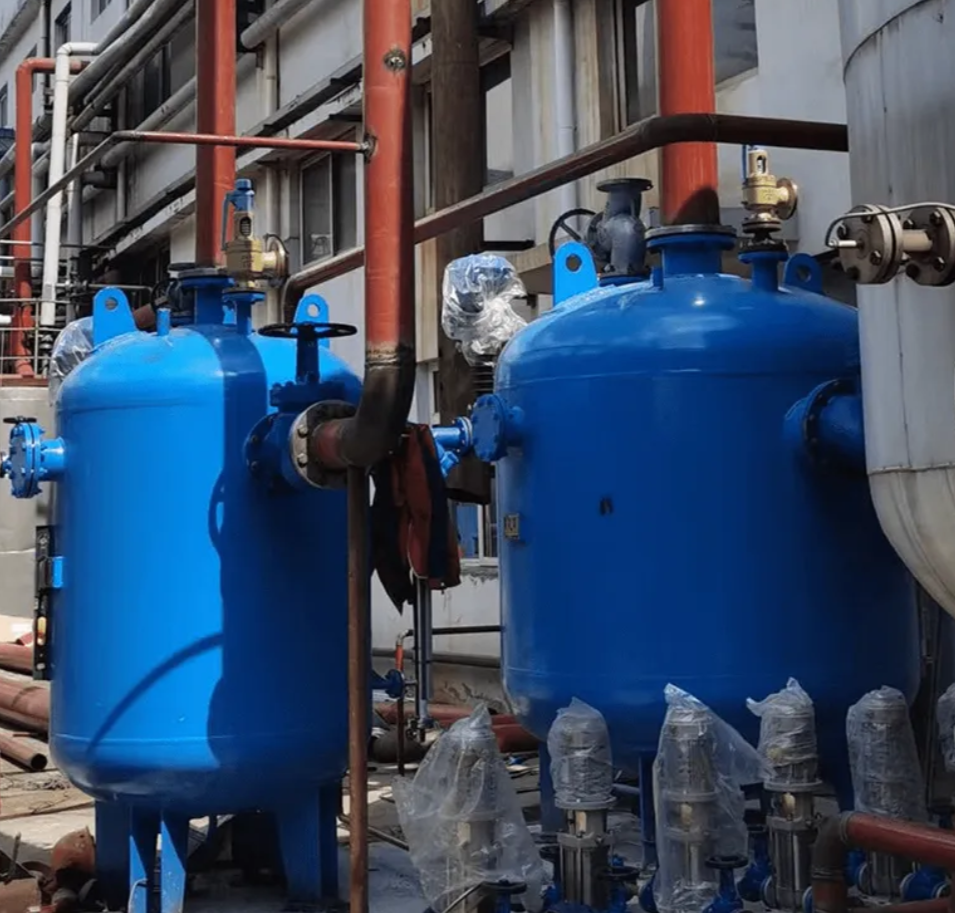
Pressure stability in a steam pressure reducing module is mainly affected by five things: whether the valve type matches the load pattern, whether the valve and piping are sized correctly, whether the sensing and installation layout is clean and stable, whether the steam is dry and free of damaging debris, and whether the module is properly commissioned and maintained. When those conditions are controlled together, the module is far more likely to hold steady downstream pressure over time instead of drifting into droop, hunting, or erratic response.