



What Should Be Confirmed Before Finalizing A Petrochemical Skid Design
2026-04-09 15:50Finalizing a petrochemical skid design is not just a drawing approval step. Once the design is frozen, material purchasing, fabrication, inspection, testing, and delivery all move forward based on that package. For petrochemical and chemical processing service, ASME identifies B31.3 as the recognized code for process piping in petroleum refineries, petrochemical plants, and chemical processors, and describes it as governing design, fabrication, component standards, installation, inspection, and testing. That means design finalization should be treated as a full project control point rather than a simple engineering sign-off.
Process Data, Code Basis, And Scope Boundaries Must Be Locked First
The first thing that should be confirmed is the full design basis. In petrochemical service, that means the process conditions are no longer approximate but clearly defined: design pressure, design temperature, fluid characteristics, operating range, upset conditions, and the exact boundary of what is included in the skid. ASME’s B31.3 guidance makes clear that process piping design is tied to the whole chain from design through testing, so if the design basis is still changing, later impacts are rarely limited to the drawings alone. They usually affect materials, inspection, testing, and schedule at the same time.
It is also important to confirm the code path before the design is finalized. Because B31.3 covers design, fabrication, installation, inspection, and testing, the project team should be clear about which piping code, component standards, fluid service assumptions, and inspection expectations apply to the skid package. In petrochemical projects, leaving those decisions vague at the design-final stage often creates later disagreement over thickness, allowable details, examination requirements, or test scope. Freezing the design without freezing the code basis usually means risk has only been hidden, not removed.
Scope boundaries should be equally clear. A petrochemical skid may include piping, valves, regulators, instruments, supports, drains, vents, and control panels, and B31.3 itself describes process piping systems as interconnected systems made up of many different components working together to control fluid movement. Before final approval, the package should make clear what belongs to the skid, what belongs to the site, and where the mechanical, electrical, and automation interfaces begin and end.
Layout, Hazardous-Area Requirements, And Maintainability Should Be Confirmed Before Release
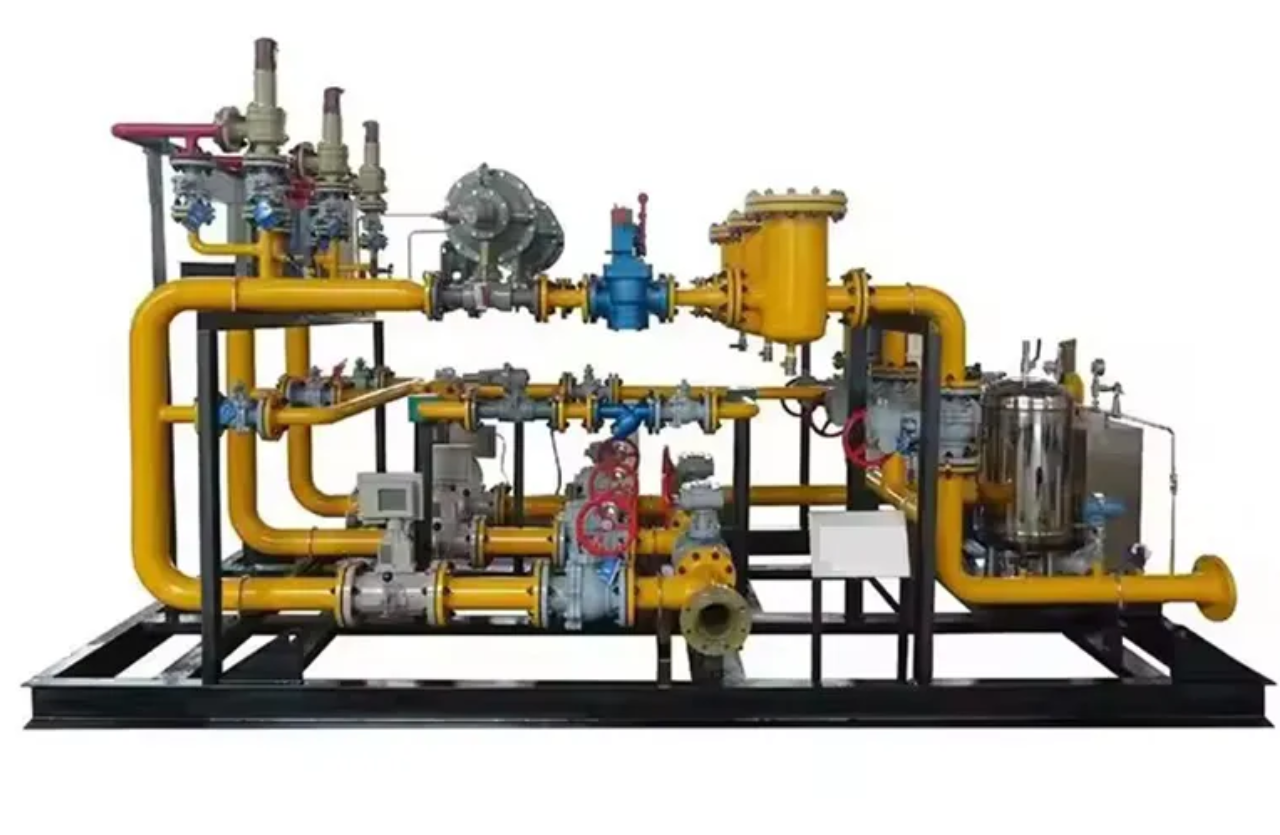
A petrochemical skid design should not be finalized only because the process flow is correct on paper. The physical arrangement also matters. For pressure-control sections, Emerson’s official regulator guidance recommends adequate piping volume for stable control, about 10 pipe diameters between upstream and downstream regulators in certain arrangements, sufficient pressure taps, proper piping supports, and bypasses or redundant runs to allow continued operation during maintenance. These are practical design details, but they directly affect control stability, mechanical reliability, and service access after installation.
Hazardous-area requirements must also be confirmed before freezing the electrical and instrumentation design. IECEx lists IEC 60079-10-1 for classification of explosive gas atmospheres, IEC 60079-14 for electrical installations design, selection, and erection, and IEC 60079-17 for inspection and maintenance. For petrochemical skid projects, this means the hazardous-area classification, protection concept, equipment selection basis, and installation expectations should already be aligned before the design is finalized. Otherwise, the skid may be mechanically complete later but still require redesign of instruments, junction boxes, cable entries, or protection methods.
Maintainability should be reviewed as part of design approval, not left to field experience. If supports create strain on equipment, if pressure taps are too limited, if isolation points are hard to access, or if bypass logic is missing, the skid may become difficult to commission and maintain even when the process design itself is technically correct. Finalizing a petrochemical skid design should therefore confirm not only that the process can run, but that operators and maintenance teams can safely inspect, isolate, and service the equipment over time.
FAT Scope, Loop Checks, And Handover Documents Should Be Defined Before The Design Is Closed
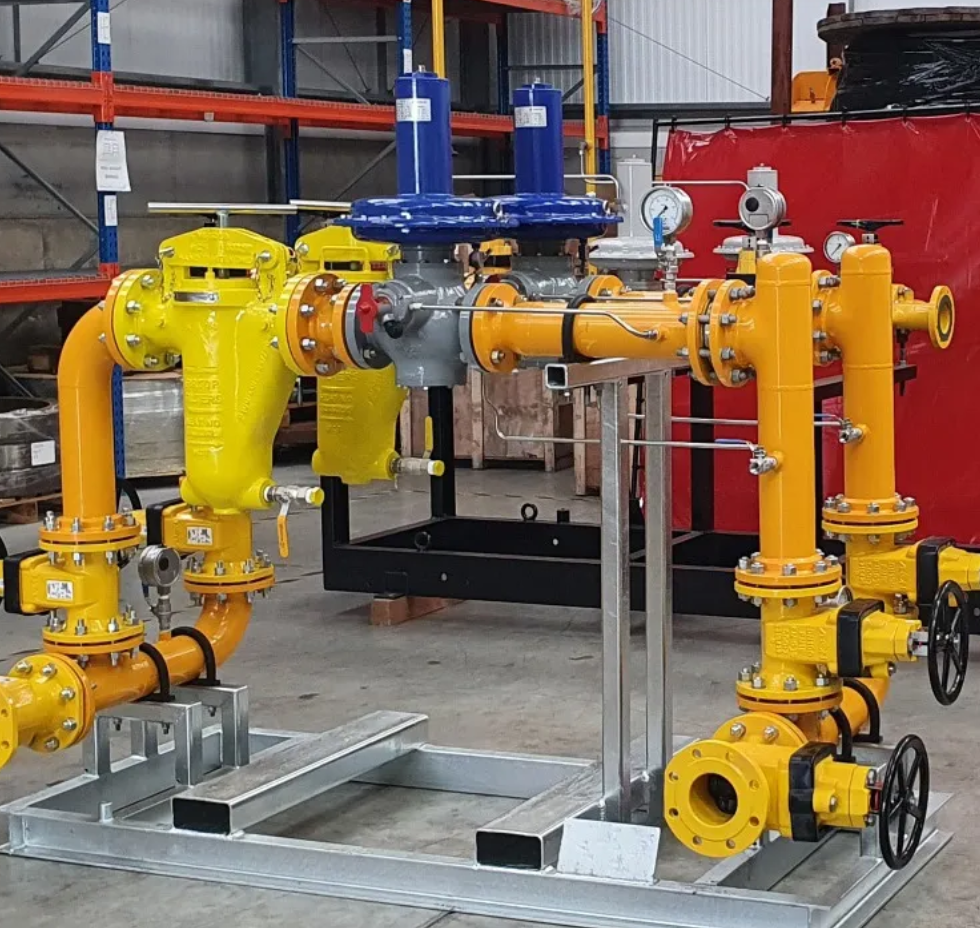
Design finalization should also confirm how the skid will be proven before startup. ISA explains that reliability and performance in process industries depend on how well automation systems are tested, calibrated, and commissioned. Its ISA-105 framework points to structured FAT, SAT, and SIT practices with readiness checks, execution procedures, punch-list tracking, and detailed checklists that cover documentation, hardware, software, operator interfaces, and communication paths. That means the expected FAT scope should already be clear before the design is closed.
ISA also notes that loop checks are used to verify the integrity of electrical and instrumentation loops after installation and before cold commissioning. For a petrochemical skid, that makes loop integrity, signal mapping, control logic, alarm points, and interface testing part of the design-final discussion, not something to be discovered only after fabrication. If the design package does not clearly define I/O, instrument functions, communication requirements, and testing expectations, the project may still face delay even when the skid is physically complete.
The document package should therefore be confirmed along with the hardware design. Because B31.3 treats inspection and testing as part of the code framework, and ISA’s testing framework emphasizes documentation and completion criteria, the final design package should already define which drawings, lists, test records, and handover documents will be required later. A petrochemical skid design is not truly ready for approval until the team is aligned on what will be built, how it will be tested, and what evidence will be delivered at handover.
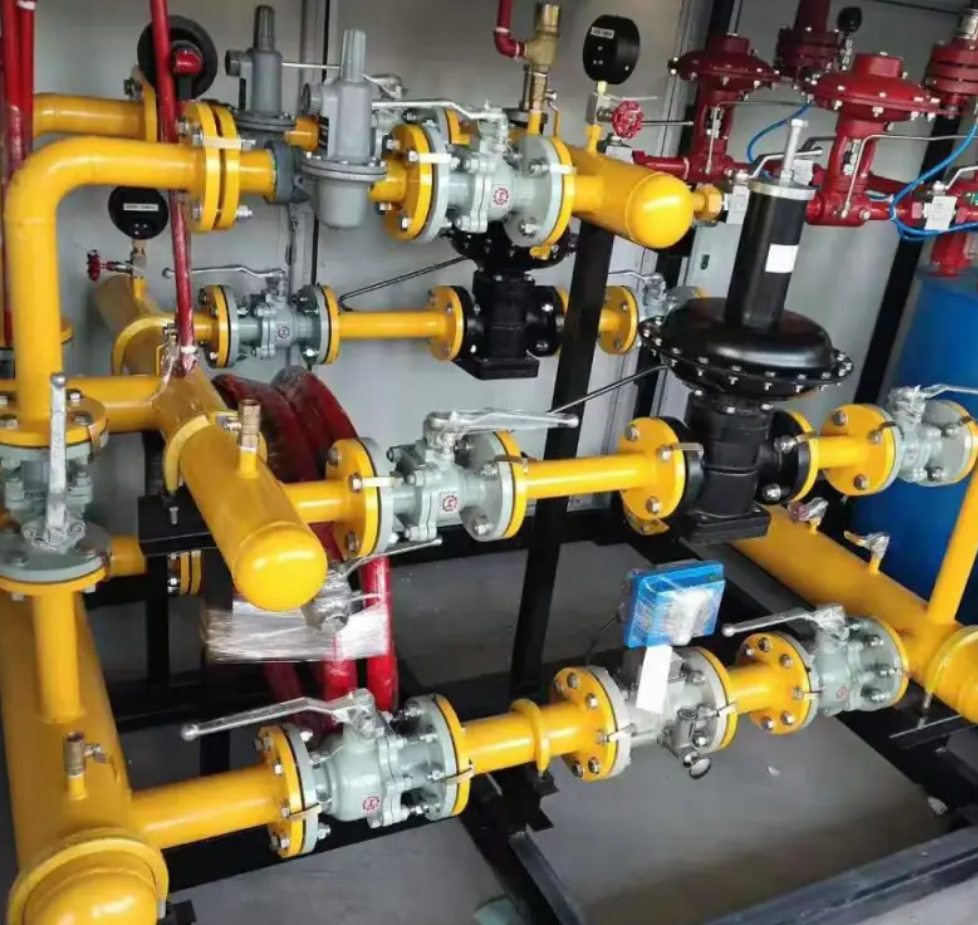
Before finalizing a petrochemical skid design, the most important confirmations are the design basis, the code and hazardous-area path, the physical layout and maintainability, and the testing and handover strategy. ASME B31.3 shows that process piping design is inseparable from fabrication, inspection, and testing, while IECEx and ISA frameworks show that hazardous-area compliance and automation verification need to be built into the package before release. When these points are confirmed early, the skid is far more likely to move smoothly from engineering into fabrication, FAT, delivery, and site startup.