


How To Reduce Delivery Risk In Custom Pressure And Piping Systems
2026-04-04 18:09Reducing delivery risk in custom pressure and piping systems starts long before fabrication is finished. In these projects, delay is rarely caused by one single issue. More often, it comes from a chain of small problems such as unclear design data, late drawing changes, missing interface details, incomplete testing plans, and handover documents that are not ready when the equipment is physically complete. ASME B31.3 treats process piping as a system that spans design, materials, fabrication, examination, inspection, and testing, which is why delivery risk should be managed across the whole project path rather than only at the shipping stage.
Freeze The Design Basis Early And Control Interfaces Carefully
The first way to reduce delivery risk is to stabilize the design basis as early as possible. For a custom pressure or piping system, this means confirming process conditions, design pressure, design temperature, medium characteristics, connection standards, material requirements, and all utility or control interfaces before releasing fabrication drawings. Because B31.3 covers design, fabrication, examination, and testing as connected parts of one code framework, late design changes do not stay limited to drawings alone. They usually affect materials, spool fabrication, inspection plans, and later testing windows as well. That is why early design freeze is one of the most effective ways to protect schedule reliability.
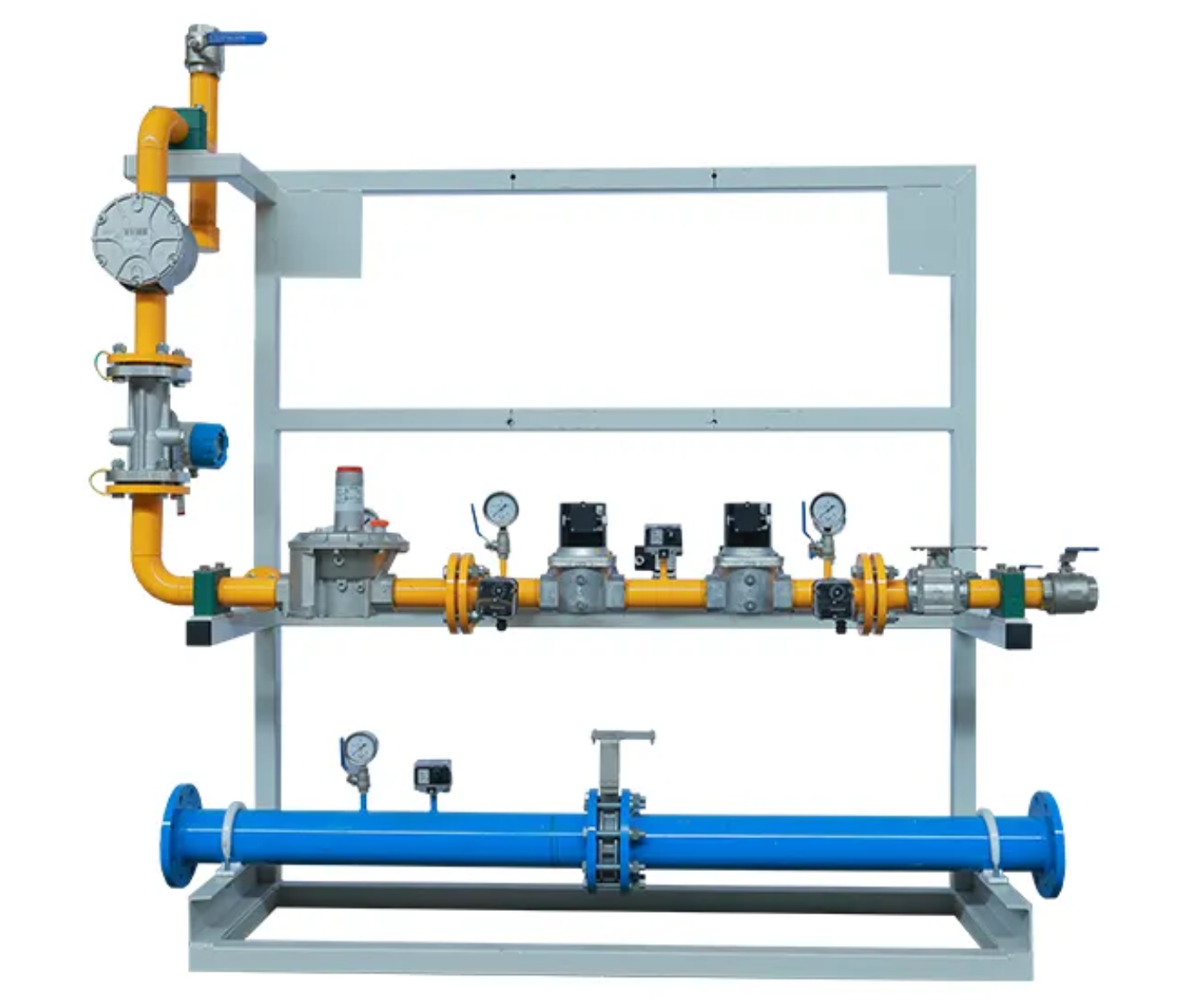
Interface control is just as important as the design itself. Emerson’s regulator best-practices guidance highlights the need for adequate piping volume, proper spacing, sufficient pressure taps, strong piping supports, and bypass or redundant runs for maintenance. Those recommendations are not only about operating performance. They also reduce project risk by preventing rework after assembly, minimizing installation surprises, and making the system easier to test and maintain after delivery. In custom skid and piping projects, a system can be technically correct on paper but still create delivery problems if pipe routing, support loads, instrument takeoffs, or maintenance access were not coordinated early enough.
Control Long-Cycle Items, Fabrication Readiness, And Test Planning Together
A second key to reducing delivery risk is to manage procurement, fabrication, and testing as one schedule, not as separate departments. This is partly an inference from the way B31.3 structures process piping work across materials, fabrication, examination, and testing: once a critical valve, regulator, instrument, or special material arrives late, the effect often spreads into assembly sequence, inspection timing, and final test windows. In real projects, long-cycle items are rarely dangerous only because they take time to buy. They are dangerous because they can delay everything that depends on them.
Correct device selection also helps reduce downstream delay. Swagelok notes that effective regulator specification should be based on the flow curve, since regulators control pressure across a range of flow conditions rather than at one static point only. When critical pressure-control components are selected only by nominal size or rough assumptions, systems often require redesign, resubmission, or retesting later. For custom pressure and piping packages, that means technical accuracy in early component selection is not only a performance issue. It is also a schedule protection measure.
Testing plans should be locked in before fabrication is fully complete. ISA’s FAT/SAT/SIT framework describes a structured method for factory and site acceptance, and ISA’s loop-check standard shows that end-to-end electrical and instrumentation verification is part of commissioning readiness rather than an optional add-on. When a project waits too long to define FAT scope, punch-list rules, loop-check requirements, or witness points, the result is often delivery delay even after the skid is mechanically finished. A system is not truly ready to ship until the test path is clear, resources are available, and acceptance criteria are agreed.
Do Not Release Shipment Until Testing, Punch Lists, And Handover Documents Are Closed
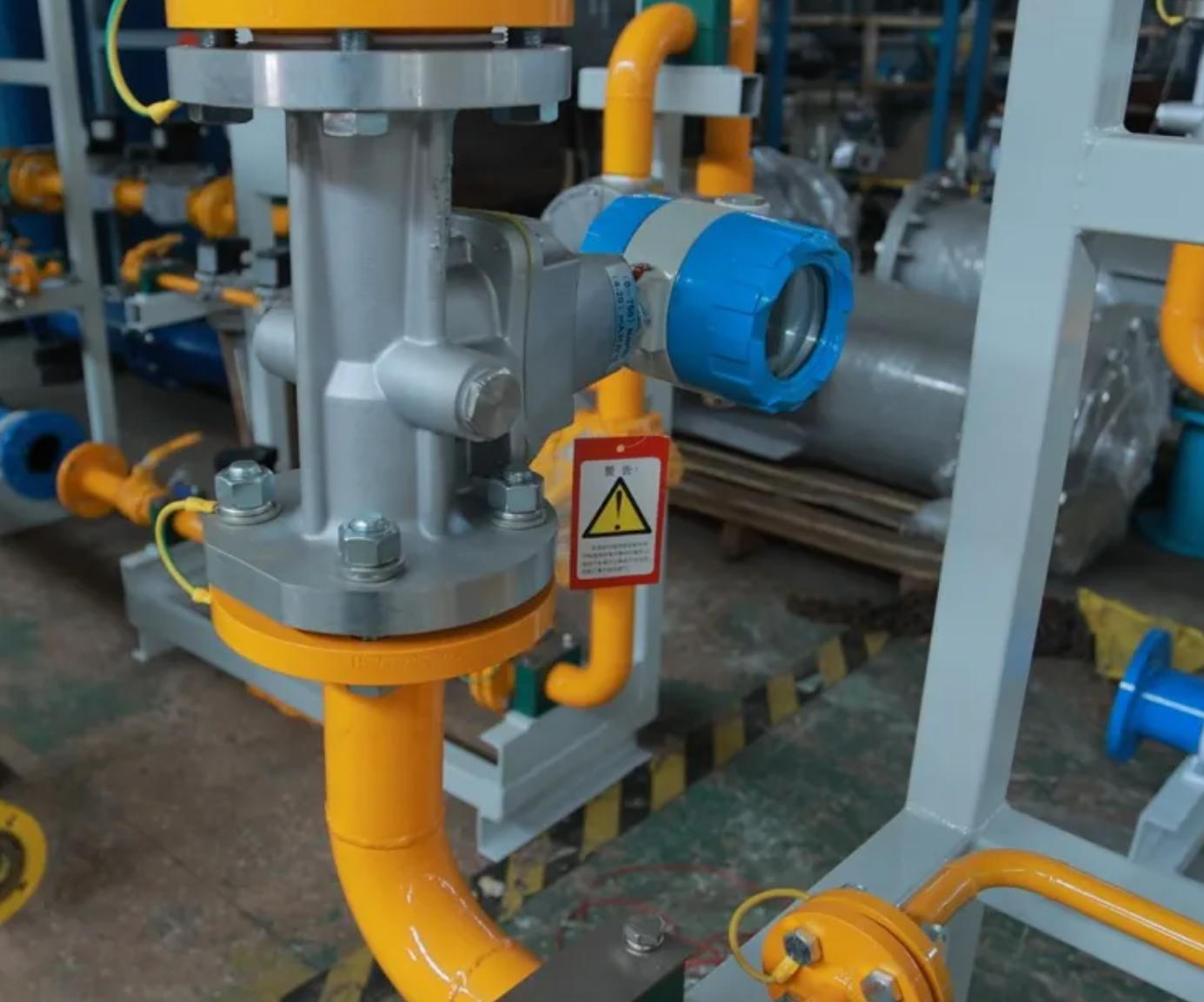
One of the most common causes of delayed delivery is confusing “fabrication complete” with “ready for release.” ASME B31.3 requires leak testing for process piping other than Category D service, and ISA treats FAT as a documented acceptance process rather than a simple workshop demonstration. In other words, shipment readiness depends on proof, not appearance. Pressure integrity, leakage performance, loop verification, functional logic, and test records all need to be closed in a documented way before release.
Handover quality matters just as much as mechanical completion. Spirax Sarco’s commissioning guidance emphasizes smooth project delivery and handover, supported by qualified engineering involvement, testing, reporting, and deployment readiness. For custom pressure and piping systems, that means drawings, datasheets, certificates, calibration records, inspection reports, FAT reports, punch-list closure, and operation or maintenance documents should be treated as part of the deliverable itself. If the hardware is ready but the documentation package is incomplete, the project is still exposed to delay at shipment, customs clearance, site acceptance, or startup.
The safest release strategy is therefore simple: do not allow shipping approval until the equipment condition, test evidence, and handover package all match the approved project scope. This is partly a project-management inference, but it follows directly from the standards and commissioning guidance above. Delivery risk falls sharply when the release decision is based on closed technical evidence instead of schedule pressure alone.
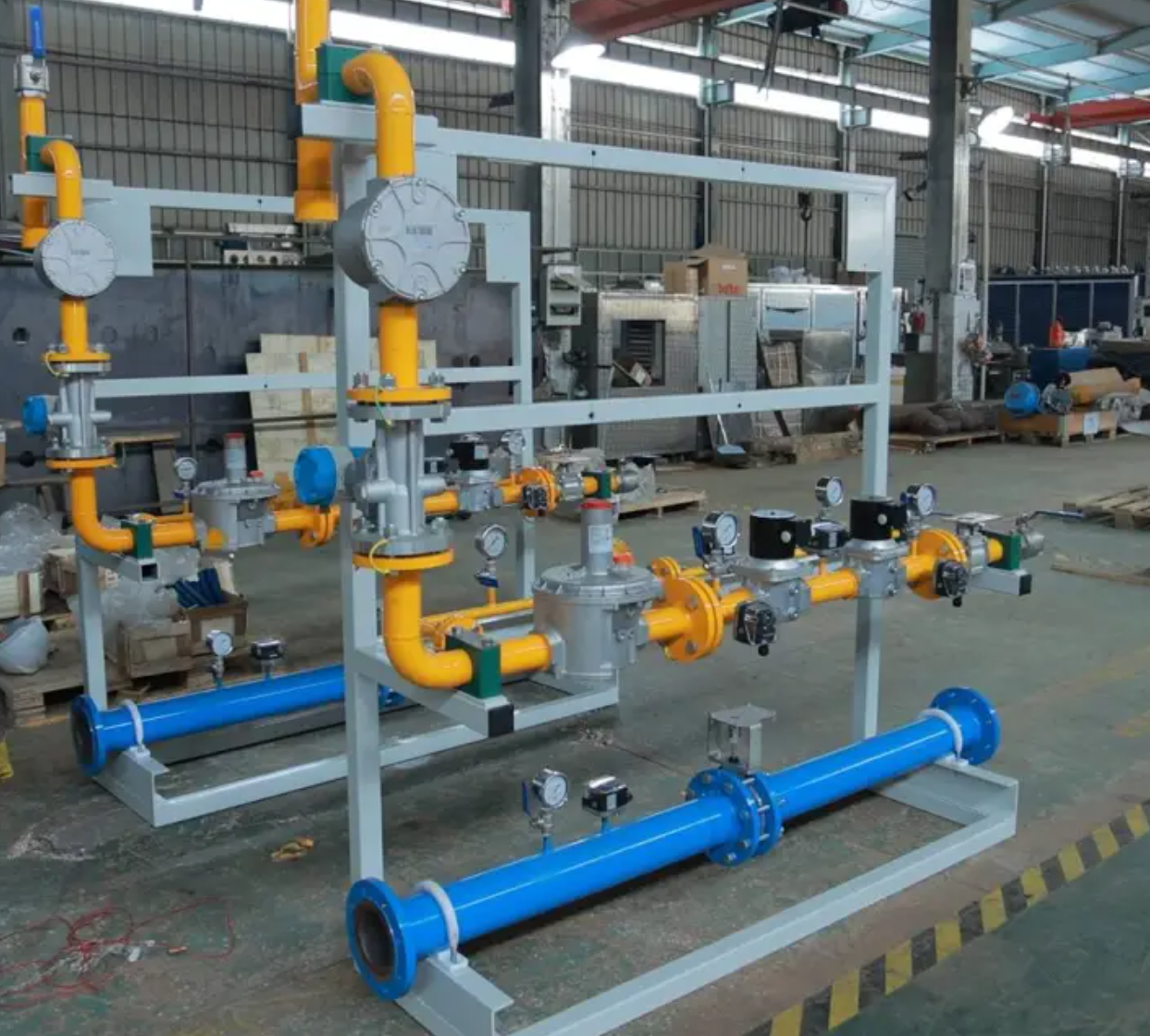
To reduce delivery risk in custom pressure and piping systems, the most effective approach is to control the project in three layers: first, freeze the design basis and interfaces early; second, manage long-cycle items, fabrication, and testing as one schedule; third, release shipment only after technical tests, punch lists, and handover documents are fully closed. When these three layers are managed together, delivery becomes more predictable, rework is reduced, and the system is far more likely to arrive ready for installation and startup rather than only ready for transport.