


How To Ensure Long-Term Stability In Gas And Steam Control Systems
2026-04-06 17:50Long-term stability in gas and steam control systems depends on more than choosing a valve or regulator with the right pressure range. Stable operation comes from correct sizing, proper control logic, suitable piping arrangement, reliable condensate management, and a maintenance plan that keeps instruments and control devices performing as designed. Pressure regulators are meant to maintain downstream pressure within acceptable limits while matching actual demand, and steam pressure reducing valves are selected by capacity and application, not by pressure rating alone. When these fundamentals are not confirmed early, systems often suffer from pressure fluctuation, poor control response, condensate problems, or repeated shutdowns.
Start With Correct Sizing, Pressure Control Logic, And Piping Arrangement
The first requirement for long-term stability is correct control device sizing. On gas systems, regulators should be selected using real flow conditions and regulator flow curves, because Cv alone is not enough for proper sizing. Poor sizing can lead to unstable outlet pressure, excessive droop, or pressure creep caused by seat leakage. For steam applications, pressure reducing valves should also be matched to capacity and process duty, because control performance depends on the real operating range rather than nominal valve size only.
Control logic and line arrangement are just as important as the device itself. Emerson’s regulator guidance notes that stable control benefits from adequate piping volume and recommends spacing between upstream and downstream regulators, while proper piping supports help prevent mechanical strain on equipment. Sufficient pressure tapping points are also important for gauges, control lines, troubleshooting, and commissioning. In practice, a system may use good components yet still perform poorly if the control lines, regulator placement, or pressure sensing points are not arranged properly.
Long-term stability also improves when the system is designed for real operating variation instead of ideal steady-state conditions only. Gas and steam demand often changes during startup, partial load, peak load, and emergency conditions. A stable system should therefore be checked for turndown range, response speed, overpressure behavior, bypass strategy, and how pressure is maintained when demand changes quickly. The earlier these points are built into the design basis, the lower the chance of instability after installation.
Control Steam Quality And Condensate Management From The Beginning
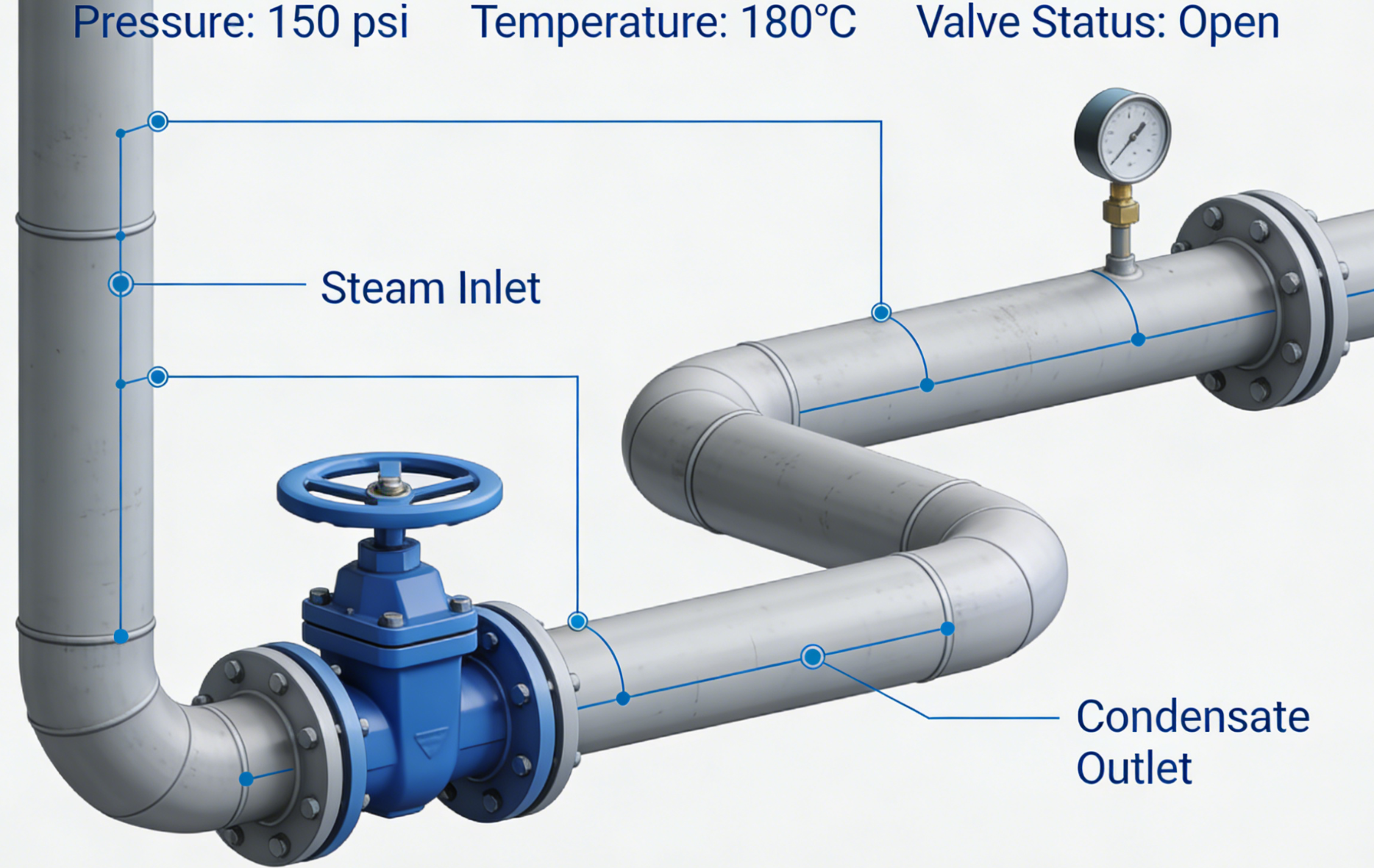
For steam systems, long-term stability is impossible without good condensate control. TLV notes that ordinary plant steam contains moisture as it leaves the boiler and continues to condense as it travels through the system. Steam traps can remove condensate flowing along the bottom of the line, but they cannot remove all entrained moisture in the steam flow by themselves. That is why separators, proper drainage design, and good line layout matter when stable pressure and heat transfer are required over time.
Pipe support and drainage geometry directly affect stability. TLV recommends steam traps at least every 30 to 50 meters and at the bottom of risers or drops, and also recommends steam piping be properly supported and sloped by no less than 1 in 100. These details reduce unwanted condensate pooling, which can narrow effective flow area, disturb pressure control, reduce heat transfer quality, and increase mechanical stress on the system. In many steam projects, what appears to be a valve problem is actually a piping drainage problem.
Steam traps themselves also require continuous attention. TLV explains that trap failure usually appears in two ways: live steam leakage or blocked condensate discharge. Either failure mode harms long-term stability, because one wastes energy and the other causes waterlogging and poor process control. A strong stability plan therefore includes trap testing while the system is operating, review of discharge conditions, and inspection of the full condensate discharge location rather than the trap alone.
Build Stability Through Commissioning, Monitoring, Maintenance, And Redundancy
Even a well-designed system will not stay stable if commissioning is weak or maintenance is reactive. Spirax Sarco emphasizes the importance of correct installation and commissioning of valves, actuators, sensors, and controllers. In both gas and steam systems, stable long-term control depends on whether instruments are installed correctly, sensing points are reliable, and the control loop is tuned and verified under real operating conditions. Commissioning should confirm not only that the system works, but that it works smoothly across the expected load range.
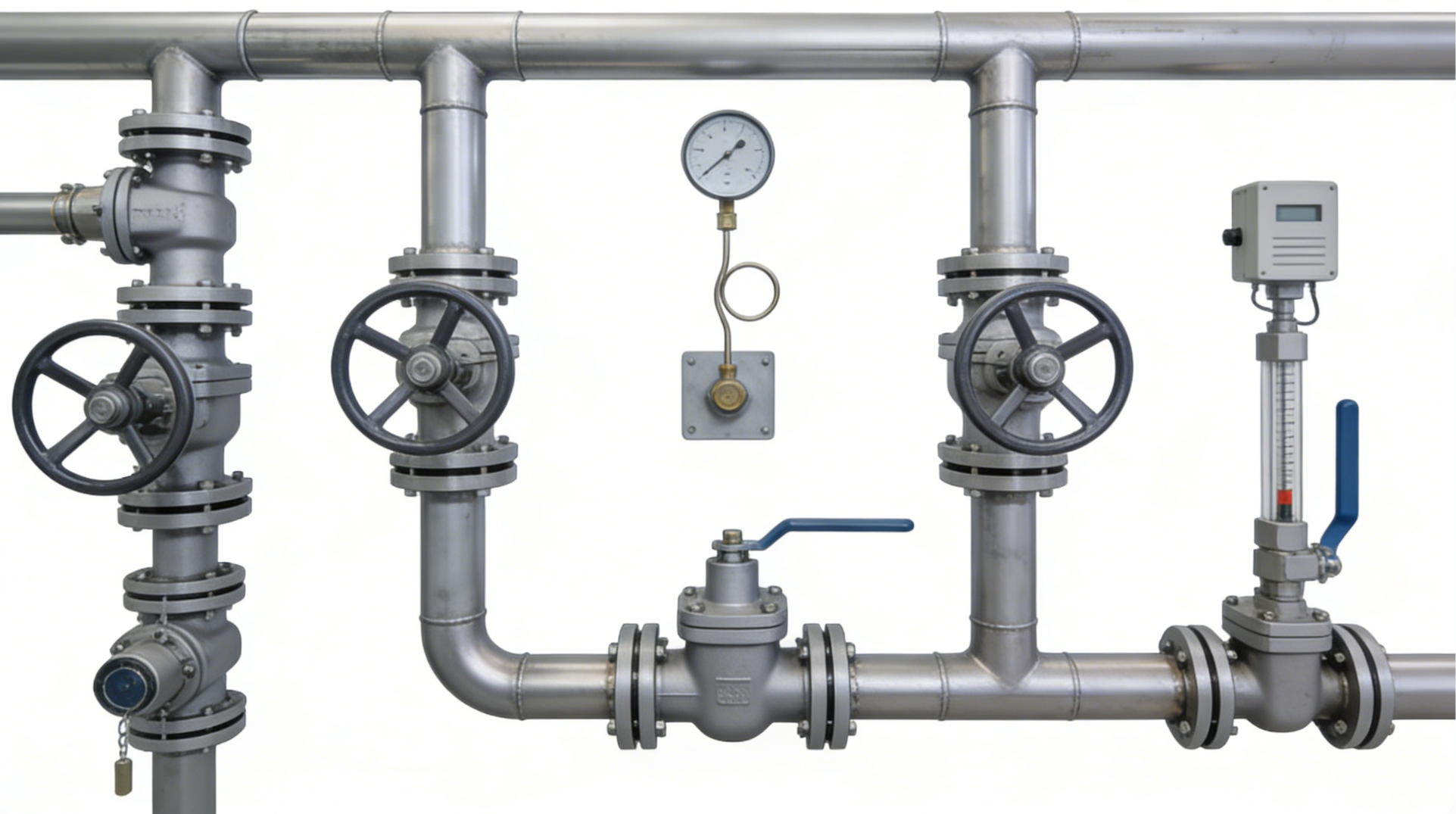
Maintenance planning should be built into the system rather than treated as an afterthought. Emerson recommends pipe bypasses or redundant regulator runs so operation can continue during maintenance, and also highlights the value of sufficient pressure taps for troubleshooting. On steam systems, data recording and analysis of traps and condensate discharge locations help plants detect recurring failures and build a more effective reliability strategy. This means long-term stability is supported not only by hardware quality, but by service access, isolation strategy, and usable operating data.
A stable gas and steam control system is therefore not defined by one premium valve or regulator. It is the result of good sizing, clean pressure sensing, dry steam delivery, disciplined commissioning, regular inspection, and maintenance routes that allow intervention before failures spread through the process. When these elements are combined, the system is far more likely to maintain control accuracy, avoid unplanned shutdowns, and deliver dependable performance year after year.
To ensure long-term stability in gas and steam control systems, the focus should be on the whole control environment rather than on one component alone. Correct regulator and valve sizing, sound piping arrangement, effective condensate management, disciplined commissioning, and planned maintenance all work together to protect control accuracy and operating reliability. When these points are confirmed early and managed consistently, gas and steam systems are much more likely to operate safely, efficiently, and steadily over the long term.